
Singapore, Japan, and South Korea Coordinate Emergency Response as Iran Blocks Strait of Hormuz in 2026
Asian nations are scrambling for energy alternatives after Iran blocked the Strait of Hormuz, halting all CNG, LPG, LNG, and crude oil shipments and triggering a regional aviation crisis.

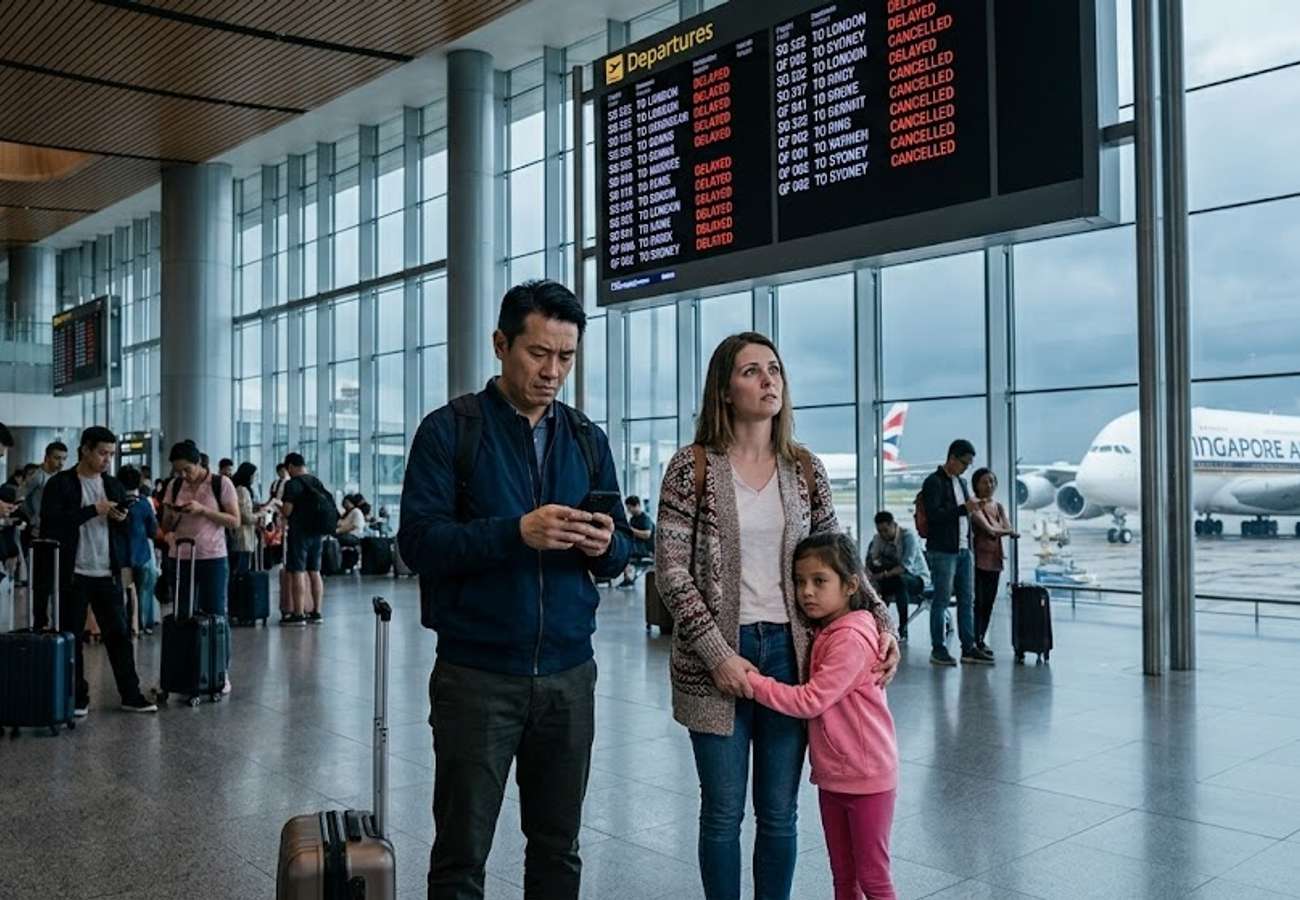
Image generated by AI
[Singapore, July 20, 2026] — A coalition of Asian economies, including Singapore, Thailand, Japan, and South Korea, is currently implementing emergency measures to secure energy and travel stability following Iran's decision to block the Strait of Hormuz. The blockade, which began on February 28, has seen Iran vow that not a single drop of crude oil, CNG, LPG, or LNG will pass through the waterway, triggering a severe crisis across the aviation, tourism, and energy sectors.
The sudden restriction of this critical maritime artery has placed immense pressure on energy-dependent nations. Governments and airline operators are now grappling with skyrocketing fuel costs, fractured supply chains, and a significant decline in international connectivity. As the blockade persists, the economic shockwaves are moving from Gulf suppliers into the heart of Asian airports and industrial manufacturing centers.
Strategic Importance of the Strait of Hormuz Blockade
The Strait of Hormuz serves as the primary maritime link between the Persian Gulf and global markets, facilitating the daily movement of millions of barrels of oil and massive quantities of natural gas. By closing this passage, the regional conflict has evolved into a global economic emergency.
Asian nations are particularly vulnerable due to their heavy reliance on Middle Eastern energy exports. The current disruption is not merely a diplomatic standoff but a systemic threat to the operational viability of regional airlines and the stability of consumer energy prices.
Sectoral Impacts of the Energy Disruption
The blockade has created a ripple effect across various industries, with aviation and tourism facing the most immediate threats. Higher jet fuel prices are forcing airlines to reconsider route profitability and ticket pricing.
| Sector | Major Challenge |
|---|---|
| Aviation | Higher jet fuel prices, possible route disruptions and increased operating costs |
| Tourism | Rising airfares, reduced travel confidence and possible flight changes |
| Shipping | Higher insurance costs and longer delivery routes |
| Manufacturing | Increased energy expenses and production pressure |
| Consumers | Higher fuel and transportation prices |
Singapore Manages Aviation Hub Pressures
As a global epicenter for shipping and refining, Singapore is at the forefront of the response effort. The nation's economy is intrinsically linked to the fluid movement of global energy. Singaporean refineries, which supply critical petroleum products to the wider region, are facing severe input shortages.
At Changi Airport, the crisis manifests as rising aviation fuel expenses and potential operational disruptions. Because Singapore serves as a primary transit point for travelers moving between Asia, Europe, and the Middle East, any increase in long-haul ticket prices is expected to dampen the recovery of the local tourism sector.
Thailand Navigates Tourism and Fuel Volatility
Thailand's economy, which relies heavily on affordable international air travel to sustain its tourism industry, is monitoring the situation closely. With millions of annual visitors arriving via Bangkok and Phuket, the rise in aviation fuel costs threatens to make international flights prohibitively expensive.
Industry observers note that carriers operating routes between Thailand and the Middle East or Europe are facing a double blow: increased operating expenses and the possibility of expanded airspace restrictions. This volatility is expected to permeate domestic fuel prices, further increasing the cost of local transport for tourists.
Japan and South Korea Prioritize Energy Security
Japan is facing extreme exposure due to its historical dependence on Middle Eastern oil and gas. The blockade threatens to inflate electricity costs and household energy bills, while simultaneously increasing overhead for the automotive and technology manufacturing sectors. Japanese officials are currently pivoting toward strategic reserves and alternative supply sources to prevent industrial shutdowns.
Similarly, South Korea is battling risks to its energy-intensive industrial base. The production of semiconductors, chemicals, and automobiles requires a stable and affordable energy supply. A prolonged blockade is expected to erode export competitiveness and increase the operational costs for South Korean flag carriers as global jet fuel prices climb.
Manufacturing and Inflation Risks in China and India
China, as the world's largest energy consumer, is experiencing significant pressure on its logistics networks. The blockade increases the cost of crude oil imports, which in turn raises manufacturing expenses for electronics and machinery. These costs are likely to be passed down the global supply chain, contributing to worldwide inflation.
India is equally exposed, importing a vast majority of its crude oil requirements. The aviation industry in India is particularly sensitive to these changes, as jet fuel represents one of the largest operational expenditures. Higher airfares are expected to discourage international holiday bookings, impacting the broader tourism ecosystem.
Energy Vulnerabilities in Pakistan and Bangladesh
Pakistan is facing acute pressure on its foreign exchange reserves as the cost of imported energy rises. The disruption threatens electricity generation and transportation networks, creating a precarious economic environment for local businesses.
In Bangladesh, the crisis is manifesting as higher power generation costs. The garment manufacturing sector, a cornerstone of the Bangladeshi economy, is particularly vulnerable to energy price spikes, which could threaten the viability of export contracts if production costs remain elevated.
Why This Matters: The Shift in Asian Energy Geopolitics
The blockade of the Strait of Hormuz represents more than a temporary supply chain glitch; it is a catalyst for a fundamental shift in how Asian nations approach energy security. For decades, the "just-in-time" delivery of Gulf oil was a cornerstone of Asian growth. This crisis proves that such reliance is a strategic liability.
From a travel perspective, we are likely to see a permanent shift in airline pricing models. The "fuel surcharge" may become a permanent fixture as carriers hedge against extreme volatility. Furthermore, the tourism industry may see a pivot toward regional, short-haul travel as long-haul flights become luxury items due to fuel costs.
The coordination between Singapore, Japan, and South Korea suggests the emergence of a new "Energy Security Bloc" in Asia, focused on diversifying supply routes and accelerating the transition to non-Gulf energy sources to prevent a total collapse of aviation and industrial infrastructure during future geopolitical shocks.
The stability of global travel now hinges on the resolution of a narrow waterway's accessibility.
Related Travel Guides
Disclaimer
This article is for informational and educational purposes only. It does not constitute legal, financial, or professional advice. While we strive to provide accurate and up-to-date information, travel policies, regulations, and conditions change rapidly. Always verify information with official sources before making travel decisions. Nomad Lawyer makes no representations about the accuracy, reliability, completeness, or suitability of the information provided. Readers should consult qualified professionals for advice specific to their circumstances. The views expressed in this article are those of the author and do not necessarily reflect the views of Nomad Lawyer.
Raushan Kumar
Founder & Lead Developer
Full-stack developer with 11+ years of experience and a passionate traveller. Raushan built Nomad Lawyer from the ground up with a vision to create the best travel and law experience on the web.
Learn more about our team →