
Zimbabwe and Poland Unveil Historic Tourism Link Amid $200 Oil Shock and Strait of Hormuz Blockade: How US-Iran Conflict Volatility Drives Shift to African Eco-Tourism and Sustainable Conservation
Despite the global $200 oil crisis and Strait of Hormuz blockade, Zimbabwe welcomes its first organized group of Polish tourists in partnership with TRIPYOU, driving sustainable eco-tourism.

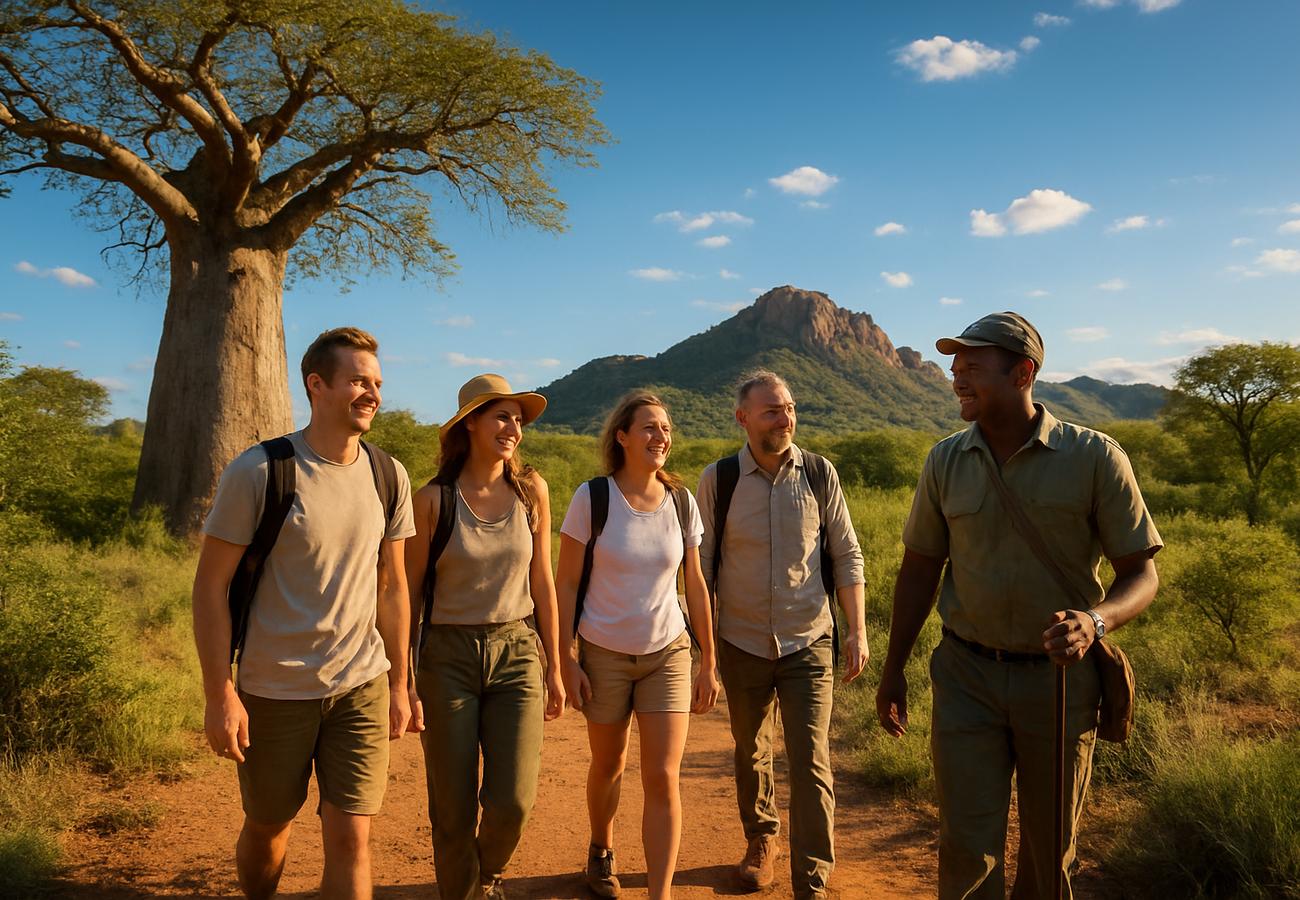
Image generated by AI
The global tourism economy is undergoing an extraordinary reorganization. Confronted by an unprecedented $200 per barrel oil shock and the military blockade of the Strait of Hormuz, southern African nations are taking proactive steps to diversify their source markets.
In a historic milestone, Zimbabwe has welcomed its first organized group of Polish tourists, marking a significant step forward in the country's strategy to tap into the high-potential Eastern European market. Coordinated through a joint collaboration between the Ministry of Tourism and Hospitality Industry, the Zimbabwe Tourism Authority (ZTA), and Warsaw-based tour operator TRIPYOU, this breakthrough demonstrates how low-impact, sustainable eco-tourism is helping to buffer Zimbabwe’s economy from high fuel volatility. While major Gulf states like Saudi Arabia, the United Arab Emirates (UAE), and Qatar work to manage shipping lanes in the Persian Gulf, Zimbabwe is establishing itself as a premier safe haven for global travelers seeking authentic conservation experiences.
Expanded Overview: African Wildlife Tourism Defies the Global Aviation Crisis
The ongoing global energy crisis has forced a complete reorganization of international travel and logistics. The naval blockade of the Strait of Hormuz—the world’s most critical maritime oil corridor, handling roughly 20% of global petroleum transit—has taken millions of barrels of crude off the market, sending fuel prices soaring.
For the international aviation and tourism sectors, this fuel crisis has led to significantly higher long-haul ticket prices and reduced flight capacities. However, rather than halting travel altogether, these economic challenges have caused travelers to choose stable, high-value alternative destinations that focus on deep cultural and ecological experiences. Zimbabwe has capitalized on this trend, drawing high-value visitors from Eastern Europe who are looking for secure, sustainable, and nature-centric holidays that justify premium travel costs through direct support of local conservation efforts.
Geopolitical Context: Persian Gulf Volatility and the Demand for Stable Destinations
The military standoff between the United States and Iran in the Persian Gulf has disrupted major trade corridors and airspace, keeping global energy markets highly volatile.
This conflict has directly impacted major Middle Eastern oil producers—including Saudi Arabia, the UAE, Qatar, Kuwait, Oman, and Bahrain—who are working hard to protect their energy supply lines and secure alternative shipping channels. In this climate of high volatility, Southern Africa has positioned itself as a stable and welcoming alternative. By investing in regional transport infrastructure, community-based hospitality, and domestic sustainability initiatives (such as the national Clean City Contest), Zimbabwe is offering a secure travel corridor that bypasses high-risk geopolitical areas, providing a model of regional travel resilience.
Global Energy Impact: Squeezed Airlines and the Pivot to High-Value Conservation
With oil prices firmly established at $200 per barrel, airlines are under intense pressure to optimize their operations. Jet fuel costs have forced carriers to raise airfares, making long-distance flights a premium purchase and prompting travelers to choose destinations where they can get the most value for their money.
| Key Conservation Hub | Target Protected Species | Primary Tourist Activities |
|---|---|---|
| Imire Game Park | Black/White Rhinos and African Elephants | Hands-on conservation, anti-poaching patrols, and wildlife monitoring. |
| Hwange National Park | Lions, Painted Dogs, and Large Elephant Herds | Low-impact vehicle safaris, photography, and eco-lodges. |
| Mana Pools National Park | Hippos, Crocodiles, and Diverse Birdlife | Walking safaris, canoeing, and wilderness camping. |
By offering a diverse mix of hands-on wildlife conservation and cultural experiences, Zimbabwe is attracting premium travelers who are willing to pay higher flight prices in exchange for highly immersive and ethical travel experiences.
Shipping & Trade Impact: Cape of Good Hope Detours and Localized Hospitality
The ongoing Strait of Hormuz blockade has forced cargo fleets to bypass the Suez Canal and route around Africa’s Cape of Good Hope, sending maritime insurance rates soaring by over 500% and delaying global shipments of luxury resort supplies.
To bypass these supply chain bottlenecks, hospitality operators in Zimbabwe are focusing on localized sourcing. Eco-lodges, hotels, and luxury safari camps are sourcing food, building materials, and art pieces directly from Zimbabwean agricultural cooperatives, local farmers, and village artisans. This focus on localized logistics has protected the country's hospitality industry from import inflation, keeping luxury travel packages highly competitive while ensuring that tourism revenues remain directly within local communities.
Regional Impact: Strategic Trade and Tourism Connections in Southern Africa
The arrival of the first Polish tour group—comprising 9 travelers who participated in a formal Meet-and-Greet ceremony showcasing the country's warm hospitality—highlights the successful expansion of Zimbabwe's international travel network:
- Eastern European Growth: In partnership with TRIPYOU, Zimbabwe is building a highly targeted marketing channel in Poland, where demand for unique and sustainable eco-tourism is rising.
- Empowering Local Communities: The tourism boom is driving direct economic benefits to local populations, supporting job opportunities in the hospitality and transportation sectors, and generating income for local restaurants and small businesses.
- National Green Initiatives: Through strategic measures such as the Clean City Contest, the Zimbabwean government is actively promoting environmental cleanliness, green infrastructure, and waste management, ensuring that cities and tourist hubs remain attractive and sustainable.
Hands-on Wildlife Conservation: The Imire Experience in 2026
At the heart of Zimbabwe's eco-tourism strategy is Imire Game Park, a world-renowned conservation reserve that offers travelers a highly immersive, hands-on approach to protecting endangered species:
- Endangered Species Protection: Visitors can interact directly with ongoing efforts to protect critically endangered black and white rhinos, as well as orphaned African elephants.
- Anti-Poaching and Ranger Training: Travelers can participate in educational walks with rangers, learning about tracking, anti-poaching tactics, and the daily challenges of protecting wildlife in modern Africa.
- Community Development: Imire works closely with surrounding villages, ensuring that tourism directly funds local schools, healthcare clinics, and organic farming initiatives, creating a sustainable loop of conservation and economic growth.
Industry Analysis: A Blueprint for Ethical and Sustainable Travel
African travel and development economists emphasize that Zimbabwe’s current performance is a blueprint for ethical and sustainable travel resilience during a global energy crisis.
By actively partnering with international travel operators like Warsaw-based TRIPYOU, focusing on low-impact eco-tourism, and utilizing localized supply chains, Zimbabwe has successfully insulated its travel sector from the economic pressures of a severe energy crisis, ensuring steady growth and high visitor satisfaction.
What Happens Next: Future Scenarios and Travel Outlook
- Prolonged Energy Conflict: If Persian Gulf tensions remain high and oil prices stay at $200/bbl, the travel industry will continue to favor high-value, sustainable, and ethical travel options. Zimbabwe's focus on wildlife conservation and local community development is expected to see sustained growth well into 2027.
- Diplomatic De-escalation: If international diplomatic efforts successfully resolve the US-Iran conflict and stabilize global fuel prices, the convenient flight links, streamlined visas, and sustainable partnerships developed during this crisis will continue to provide Zimbabwe with a massive competitive advantage.
Conclusion
Zimbabwe’s strategic entry into the Eastern European market represents a major milestone for the Southern African travel industry. As the Strait of Hormuz blockade and $200 oil prices continue to disrupt traditional travel markets, the country has shown that partnering for sustainable, low-carbon eco-tourism is the ultimate defense against global economic volatility. By investing in local communities, promoting hands-on wildlife conservation at Imire Game Park, and leveraging global partnerships with Warsaw-based operators like TRIPYOU, Zimbabwe is successfully securing its position as a leading, resilient destination for global travelers seeking meaningful and authentic travel experiences.
Key Takeaways
- Historic Milestone: Zimbabwe welcomed its first organized group of Polish tourists, marking a significant entry into the Eastern European travel market.
- Strategic Partnership: The tour group was facilitated through a collaboration between the Ministry of Tourism, the ZTA, and Warsaw-based operator TRIPYOU.
- Energy Resiliency: The $200/bbl oil shock and Strait of Hormuz blockade have raised flight prices, driving travelers to seek highly immersive, sustainable eco-tourism.
- Conservation Focus: Visitors are participating in hands-on wildlife conservation programs to protect rhinos and elephants at Imire Game Park.
- Local Economic Growth: Tourism spending is directly supporting rural communities, local artisans, and hospitality and transportation providers.
FAQ: Zimbabwe Travel & Geopolitical Volatility 2026
Is it safe to travel to Zimbabwe right now? Yes, Zimbabwe is entirely safe and peaceful. The country offers a highly secure and welcoming environment, making it an excellent destination for international eco-tourists and family travelers.
How does the global energy crisis impact travel to Zimbabwe? While long-haul flight prices have risen, Zimbabwe remains highly competitive by offering affordable, high-value, and deeply meaningful eco-tourism experiences that directly support local communities and wildlife.
What conservation activities can I participate in at Imire Game Park? Visitors can participate in hands-on rhino and elephant conservation programs, educational walks with rangers, anti-poaching training sessions, and community engagement projects.
Related Travel Guides
Disclaimer
This article is for informational and educational purposes only. It does not constitute legal, financial, or professional advice. While we strive to provide accurate and up-to-date information, travel policies, regulations, and conditions change rapidly. Always verify information with official sources before making travel decisions. Nomad Lawyer makes no representations about the accuracy, reliability, completeness, or suitability of the information provided. Readers should consult qualified professionals for advice specific to their circumstances. The views expressed in this article are those of the author and do not necessarily reflect the views of Nomad Lawyer.
Kunal K Choudhary
Co-Founder & Contributor
A passionate traveller and tech enthusiast. Kunal contributes to the vision and growth of Nomad Lawyer, bringing fresh perspectives and driving the community forward.
Learn more about our team →