Singapore Expands Global Food Tourism Strategy Highlighting UNESCO Hawker Culture and Multicultural Neighborhood Dining Across MRT Transit Corridors

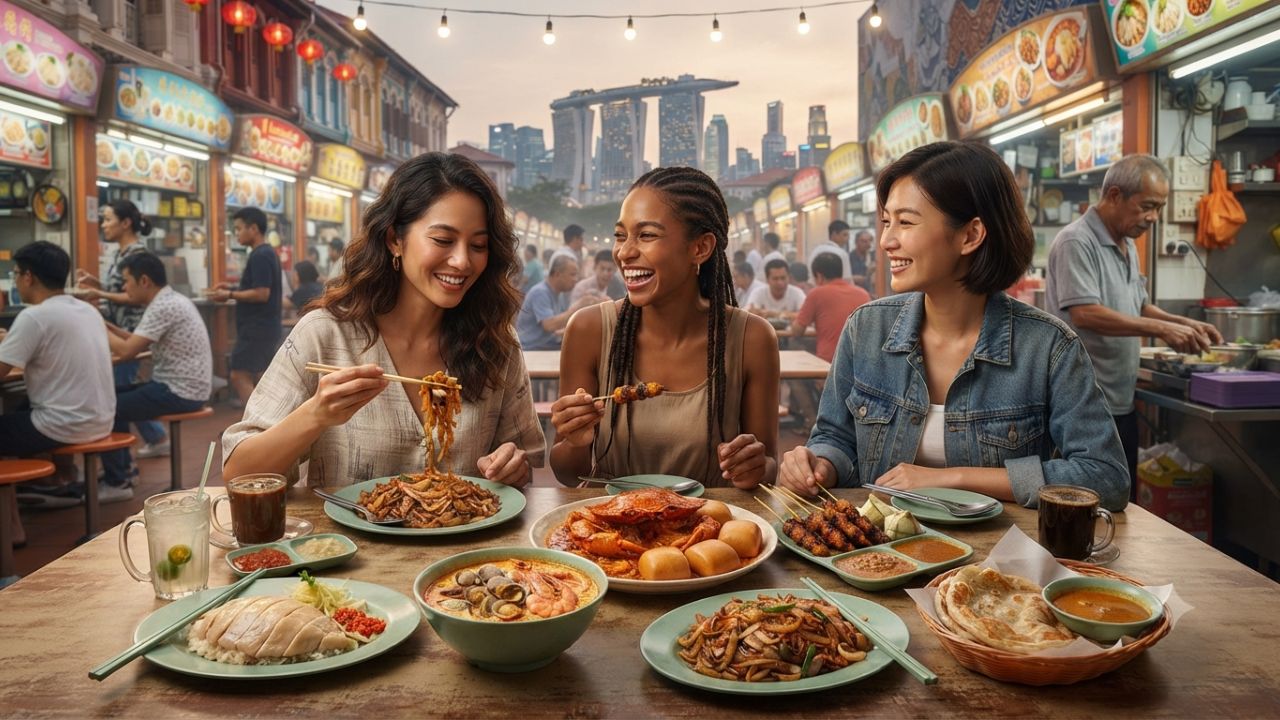
Image generated by AI
The Singapore Tourism Board has expanded its global food tourism strategy, positioning the city-state's multicultural culinary heritage and UNESCO-inscribed hawker culture as primary drivers for international visitor arrivals. Showcasing traditional Chinese, Malay, Indian, and Peranakan food traditions alongside affordable neighborhood food centers, the initiative connects major culinary hubs—including Chinatown, Little India, Kampong Glam, and Katong—to Singapore's Mass Rapid Transit (MRT) network.
UNESCO Hawker Culture & Multicultural Culinary Heritage
Singapore's food identity relies heavily on its hawker centers, recognized globally when UNESCO inscribed "Hawker culture in Singapore: community dining and culinary practices in a multicultural urban context" on the Representative List of the Intangible Cultural Heritage of Humanity (UNESCO Intangible Cultural Heritage Registry).
The nation's gastronomy reflects centuries of migration and trade across Southeast Asia, incorporating four core cultural influences:
- Chinese Culinary Traditions: Dishes such as Hainanese chicken rice, char kway teow, and roasted meats.
- Malay Gastronomy: Aromatic preparations including satay, rendang, and nasi lemak.
- Indian Flavors: South and North Indian specialties including roti prata, murtabak, and fish head curry.
- Peranakan Cuisine: Straits Chinese recipes blending Malay spices with Chinese cooking techniques, featured in Nyonya laksa and kueh pastries.
Iconic local offerings—including Chilli crab, Kaya toast, and traditional kopitiam coffee—serve as gateway culinary experiences promoted through Visit Singapore.
| District / Neighborhood | Primary Cultural Focus | Key Food Centers & Markets | Signature Local Dishes | Nearest MRT Transit Station |
|---|---|---|---|---|
| Chinatown | Chinese & Teochew / Hokkien | Maxwell Food Centre & Chinatown Complex | Hainanese Chicken Rice, Char Kway Teow | Maxwell (TEL18) / Chinatown (DT19/NE4) |
| Little India | South & North Indian | Tekka Centre & Komala Vilas | Roti Prata, Fish Head Curry, Biryani | Little India (DT12/NE7) / Rochor (DT13) |
| Kampong Glam | Malay & Middle Eastern | Golden Mile Food Centre & Zam Zam | Satay, Murtabak, Nasi Padang | Bugis (DT14/EW12) / Nicoll Highway (CC5) |
| Katong / Joo Chiat | Peranakan & Eurasian | 328 Katong Laksa & Dunman Food Centre | Nyonya Laksa, Kueh Chang, Ayam Buah Keluak | Marine Parade (TEL26) / Paya Lebar (EW8/CC9) |
| Downtown Financial District | International & Heritage | Lau Pa Sat (Telok Ayer Market) | Satay Street, Chilli Crab, Kaya Toast | Raffles Place (NS26/EW14) / Telok Ayer (DT18) |
Traveler Logistics & Gastronomy Transit Guide
Exploring Singapore's culinary food centers is facilitated by an integrated urban transit system managed by the Land Transport Authority:
MRT Transit Access & Contactless Fares
International travelers arriving at Changi Airport (SIN) can board the MRT East West Line directly into the city center. Visitors can tap in and out at all MRT turnstiles and public buses using contactless Visa, Mastercard, or mobile payment services (Apple Pay and Google Pay), eliminating the need for single-use transit tickets.
Hawker Center Payment & Ordering Protocols
While shopping malls and mid-tier restaurants accept credit cards, individual hawker stalls accept cash or localized QR payments (SGQR and NETS). Visitors are advised to carry small-denomination cash (S$2, S$5, and S$10 notes). When dining at hawker centers, diners use the local practice of "choping"—placing a tissue packet on a table to reserve seating before ordering.
Avoiding Congestion & Peak Hours
Hawker centers located near business districts (such as Maxwell Food Centre and Lau Pa Sat) experience heavy corporate lunch crowds between 12:00 PM and 1:30 PM. Travelers seeking shorter queue times should visit between 10:30 AM – 11:30 AM or 2:00 PM – 4:30 PM.
Economic & Regional Tourism Assessment
Food tourism provides Singapore with a key strategic advantage by encouraging geographic dispersal. While iconic attractions like Marina Bay Sands and Gardens by the Bay draw visitors to the central core, neighborhood food trails direct foot traffic into heartland precincts such as Jurong West, Tampines, and Old Airport Road. Distributing tourist spending supports family-run hawkers and regional merchants while extending average visitor stay durations.
Key Culinary Tourism Highlights
- UNESCO Designation: Inscribed on the Representative List of the Intangible Cultural Heritage of Humanity.
- Core Cuisines: Chinese, Malay, Indian, and Peranakan food heritage.
- Must-Try Local Dishes: Hainanese chicken rice, Laksa, Chilli crab, Satay, Kaya toast, Char kway teow, Roti prata.
- Key Food Districts: Chinatown, Little India, Kampong Glam, Katong, Lau Pa Sat, Maxwell Food Centre, Tekka Centre.
- Transit Connectivity: Direct access via Singapore MRT lines using contactless fare payments.
Strategic Logistics Analysis and 2026 Traveler Insights
Singapore's expanded global food tourism strategy necessitates a comprehensive understanding of the city-state's logistics and traveler insights to maximize the culinary experience. As a traveler, it is essential to plan ahead, considering peak travel seasons, accommodation options, and transportation methods. The peak travel season in Singapore typically occurs from February to August, with the greatest number of tourists visiting during the summer months. However, the best time to visit Singapore for a culinary experience is during the shoulder season, from September to November or from March to May, when the weather is mild and the crowds are smaller.
To navigate the city's culinary landscape, travelers can utilize the efficient Mass Rapid Transit (MRT) system, which connects major culinary hubs, including Chinatown, Little India, Kampong Glam, and Katong. The MRT operates from 5:30 AM to 12:30 AM, with frequencies ranging from 2 to 10 minutes, depending on the line and time of day. Alternatively, travelers can opt for bus services or ride-hailing apps, such as Grab, to reach their desired destinations.
When booking accommodations, consider staying in proximity to the MRT lines, particularly the Downtown Line (DTL), which connects directly to Chinatown, Little India, and other culinary hotspots. The DTL operates from 5:30 AM to 12:30 AM, with frequencies ranging from 2 to 10 minutes, depending on the time of day. Some recommended hotels and hostels include the Parkroyal on Kitchener Road, the Wanderlust Hotel, and the Cube Boutique Capsule Hotel, all of which offer easy access to the MRT and surrounding culinary attractions.
Regional context is also crucial for travelers, as Singapore's culinary scene is deeply rooted in its cultural heritage. The city-state's strategic location at the crossroads of Southeast Asia has facilitated the exchange of flavors, ingredients, and cooking techniques, resulting in a unique and diverse gastronomic landscape. To fully appreciate this context, travelers can visit the National Gallery Singapore, which showcases the country's art and cultural history, or explore the various ethnic neighborhoods, such as Chinatown, Little India, and Kampong Glam, each offering a distinct cultural and culinary experience.
In terms of booking considerations, travelers should research and reserve popular restaurants and food centers in advance, particularly during peak travel seasons. Some recommended online platforms for booking include Chope, Quandoo, and HungryGoWhere, which offer real-time reservations and reviews. Additionally, travelers can consider purchasing a Singapore Tourist Pass, which grants unlimited travel on the MRT, bus, and other public transportation systems, as well as discounts and perks at participating attractions and restaurants.
To further enhance their culinary experience, travelers can explore Singapore's various food festivals and events, such as the Singapore Food Festival, the World Gourmet Summit, and the Singapore Street Food Festival. These events showcase the city-state's diverse culinary offerings, from traditional hawker fare to modern, innovative creations. By attending these festivals and events, travelers can gain a deeper understanding of Singapore's food culture and its significance in the city-state's identity.
In conclusion, Singapore's expanded global food tourism strategy offers a unique and exciting culinary experience for travelers. By understanding the city-state's logistics, traveler insights, and regional context, visitors can navigate the culinary landscape with ease, exploring the various ethnic neighborhoods, trying traditional dishes, and attending food festivals and events. With careful planning and research, travelers can create a memorable and delicious journey through Singapore's vibrant food scene.
Frequently Asked Questions: Singapore Food Tourism (2026)
What makes Singapore's hawker culture famous worldwide?
Singapore's hawker culture is recognized by UNESCO on the Representative List of the Intangible Cultural Heritage of Humanity for its role as a community dining space offering authentic multicultural food.
How do tourists pay for food at Singapore hawker centers?
While some stalls accept digital payments, carrying small cash notes (S$2 to S$10) is recommended for fast transactions at traditional hawker stalls.
Which MRT lines connect to major Singapore food districts?
The Downtown Line (DTL), Thomson-East Coast Line (TEL), North East Line (NEL), and East West Line (EWL) provide direct stops at Chinatown, Little India, Maxwell, Bugis, and Marine Parade food precincts.
Related Travel Guides
This article is for informational purposes. Flight routes, passenger regulations, visa rules, and transit advisories are subject to change by airlines and aviation authorities. Readers are advised to verify schedules and travel documentation with relevant carriers and border agencies before departure.
Related Stories

Thailand and Vietnam Lead Asia Tourism Surge in 2026 via Strategic Visa Policy Shifts

Saint Lucia Wins Most Innovative Tourism Campaign 2026 Award for 'Come to Your Senses' Initiative