Major Flight Disruptions Spotlight Operational Vulnerabilities in U.S. Aviation Network

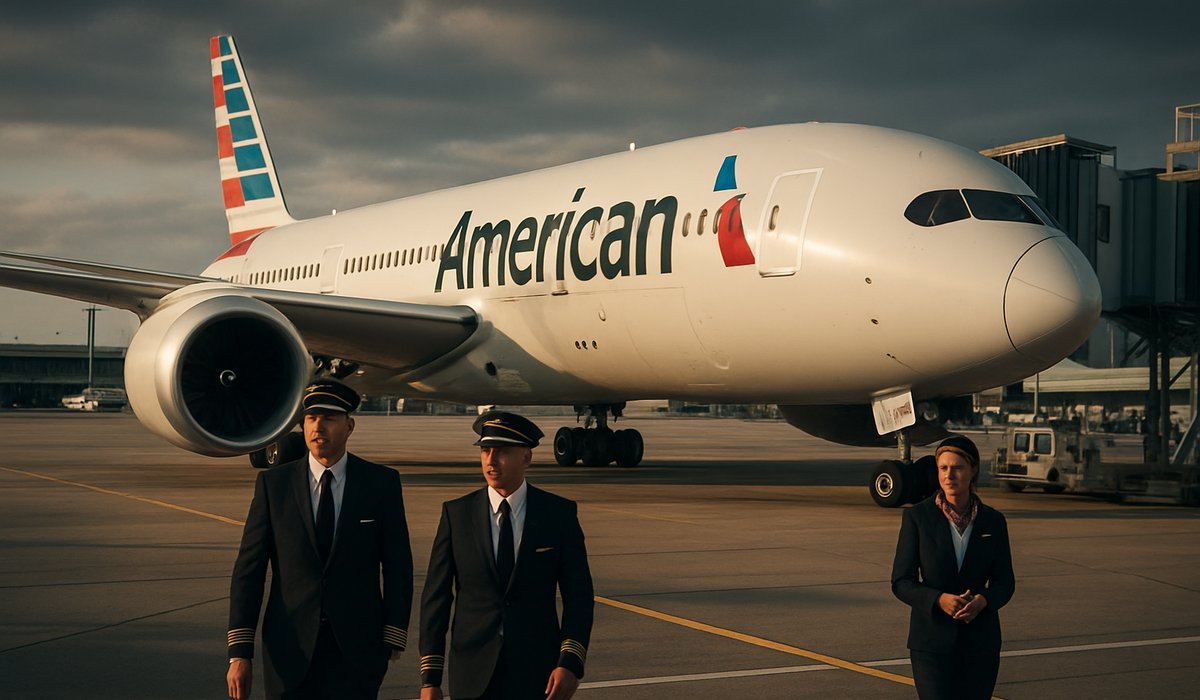
Image generated by AI
Congressional travel delays and international aircraft emergencies raise fresh concerns over airline reliability and safety protocols
American Airlines Disruption Halts Congressional Travel
A significant operational failure at American Airlines has disrupted travel plans for multiple U.S. lawmakers, forcing delays that impacted their legislative schedules and voting obligations. The incident underscores the critical interdependence between commercial aviation infrastructure and government operations, revealing how cascading flight delays can ripple across essential institutional functions.
The disruption affected passengers traveling between major hubs, causing widespread schedule complications during peak travel periods. American Airlines, one of North America's "Big Three" carriers alongside United and Delta, has faced mounting pressure to improve operational reliability as the post-pandemic aviation recovery continues to strain existing resources and staffing levels.
Lufthansa Boeing 747-8 Faces Double Emergency Diversion
In a separate incident highlighting the complexities of long-haul international operations, a Lufthansa Boeing 747-8 freighter aircraft was forced to divert twice during a single flight, departing from its intended routing due to unforeseen operational challenges. The double diversion demonstrates the critical importance of robust contingency planning and real-time decision-making in commercial aviation, particularly for ultra-long-range aircraft operating across multiple international jurisdictions.
The 747-8, Boeing's final iteration of the iconic jumbo jet and a workhorse in Lufthansa's cargo fleet, successfully navigated both diversions without passenger or crew safety incidents. The airline's response reflected established protocols for managing mid-flight emergencies across complex international airspace.
Broader Industry Context: Reliability Under Pressure
These incidents arrive as the aviation sector continues navigating significant operational challenges, including workforce constraints, aging infrastructure at key airports, and increased flight demand exceeding pre-pandemic levels. Rising jet fuel prices—a persistent burden following global supply chain disruptions—continue pressuring airline operating margins and scheduling flexibility.
Operational disruptions carry substantial costs beyond immediate passenger inconvenience. Congressional travel delays highlight how transportation bottlenecks affect institutional functions, while aircraft diversions create scheduling cascades impacting cargo operations, crew positioning, and fuel surcharges across the industry.
Both incidents underscore the narrow margins of operational tolerance in modern aviation, where interconnected systems leave limited flexibility when disruptions occur. Industry observers note that sustained investment in ground infrastructure, crew scheduling systems, and predictive maintenance technologies will prove essential as aviation demand continues its upward trajectory through 2024 and beyond.
FAQ: Understanding Modern Aviation Disruptions
What causes major airline operational disruptions? Disruptions typically stem from weather, mechanical issues, crew scheduling conflicts, air traffic control delays, or ground infrastructure failures. These factors compound quickly, creating cascading delays across networks.
How do airline delays affect government operations? Congressional travel depends on commercial aviation reliability. Delays disrupting lawmakers' schedules can directly impact legislative proceedings, committee work, and voting schedules.
Why do aircraft divert mid-flight? Diversions occur due to mechanical issues, medical emergencies, weather conditions, or operational constraints at the destination airport. Pilots prioritize safety by selecting nearest suitable alternate airports.
How do jet fuel prices influence airline scheduling? Higher fuel costs reduce scheduling flexibility and profitability margins, forcing airlines to consolidate flights and adjust routes. This directly impacts passenger options and flight frequencies.
Is the Boeing 747-8 still in service? Yes, though production ended in 2023. The 747-8 remains operational primarily in cargo roles with airlines like Lufthansa, serving critical international freight networks.
Related Travel Guides
-
Premium Private Aviation Becomes Critical Logistics Challenge for 2026 FIFA World Cup
-
Airlines Australian Flights Slashed: Chinese Carriers, Cathay Pacific Cut Routes Amid Fuel Crisis
External Resources
This article is for informational purposes. Flight routes, passenger regulations, visa rules, and transit advisories are subject to change by airlines and aviation authorities. Readers are advised to verify schedules and travel documentation with relevant carriers and border agencies before departure.
Related Stories

easyJet Launches Direct Liverpool to Reykjavik Flights: Inside the North West's New Winter Gateway to Iceland

British Airways Revives Long-Haul Meal Pre-Orders on Las Vegas Flights: Inside the World Traveller Plus Dining Trial