
Airlines Australian Flights Slashed: Chinese Carriers, Cathay Pacific Cut Routes Amid Fuel Crisis
Major airlines australian flights are facing severe capacity cuts in 2026 as soaring fuel costs and geopolitical tensions squeeze profitability. Chinese carriers, Cathay Pacific, and regional operators trim Australian routes dramatically.

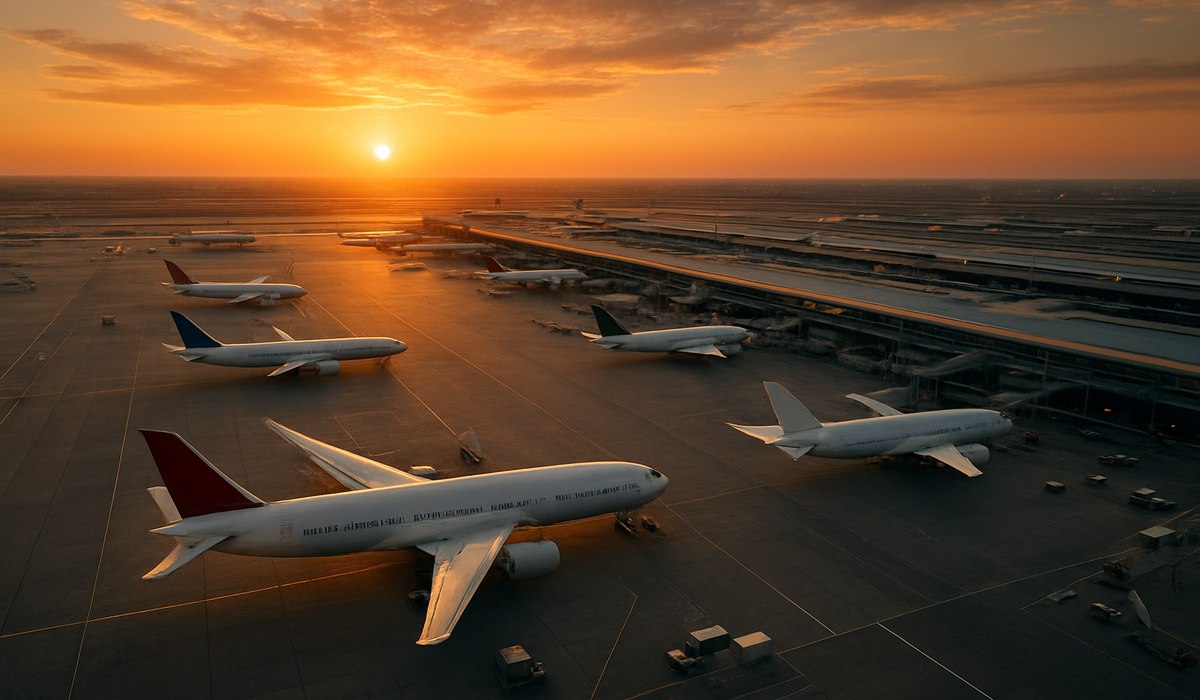
Image generated by AI
Major Carriers Slash Airlines Australian Flights as Fuel Costs Surge
Asia's largest airlines are dramatically reducing capacity to Australian airports amid record fuel expenses and escalating geopolitical tensions. China Eastern Airlines, China Southern, Air China, Cathay Pacific, and Malaysia Airlines have all announced significant route suspensions and frequency cuts to Sydney, Melbourne, Brisbane, and Perth. The pullback represents a major shift from 2024-2025 expansion patterns, with some carriers slashing schedules by more than two-thirds on key routes.
This cascading capacity reduction compounds existing pressures from domestic operators Qantas Group and Virgin Australia, who earlier initiated their own fare hikes and flight reductions. Industry analysts attribute the shift to three primary factors: volatile jet fuel pricing exceeding historical averages, ongoing global tensions impacting route viability, and shrinking profit margins on medium-haul Asia-Pacific routes.
Chinese Airlines Lead Route Reductions Across Australia
China Eastern Airlines suspended its entire Sydney-Hangzhou and Sydney-Jinan operations effective late April 2026. More drastically, the carrier cut its Sydney-Wuhan frequency from multiple daily services to just one flight per week starting May—a 66 percent capacity reduction. Sydney-Nanjing services fell to two weekly flights, while Melbourne-Nanjing dropped to two flights weekly beginning May 14.
China Southern, Asia's largest airline by fleet size, decreased Guangzhou-Australia capacity by approximately 10 percent across its network. Air China implemented unspecified reductions requiring ongoing clarification from the carrier. These moves reverse a multi-year trend where Chinese carriers aggressively expanded Australian capacity, capitalizing on strong leisure and business travel demand from mainland visitors. Industry sources report airfares from Australia to Chinese cities have quadrupled in recent weeks, reflecting reduced supply and sustained demand.
Regional Carriers Trim Capacity: Cathay Pacific and Malaysia Airlines Adjust
Hong Kong-based Cathay Pacific reduced Australian capacity by less than 4 percent on average, affecting services to Sydney, Melbourne, Brisbane, and Perth. While modest compared to Chinese carriers' cuts, the reduction signals systemic industry pressure across premium full-service networks.
Malaysia Airlines implemented approximately 4 percent capacity reductions through June 30, 2026, impacting Sydney and Melbourne. However, the carrier announced positive growth signals: Brisbane operations expand to six weekly flights from August 16, escalating to daily service from October 25. Malaysia Airlines also deployed its new Airbus A330neo aircraft on the Adelaide route, indicating selective route strengthening alongside broader capacity management.
Low-Cost Carriers Moderate Australian Expansion Plans
Budget carriers face similar margin pressures, forcing capacity adjustments despite aggressive pre-2026 growth strategies. Singapore-based Scoot, recognized among the world's most fuel-efficient airlines, "moderated" Melbourne and Perth capacity effective May 2026. Melbourne service fell from 41 to 37 monthly flights; Perth dropped from 53 to 47 flights monthly.
Scoot General Manager Adam Kelly stated the Australian market remains strategically important, with the carrier maintaining top-10 international airline status for Australian passengers. The airline emphasized these are temporary reductions responding to industry-wide fuel volatility.
Vietnamese carrier Vietjet, which entered Australia in 2023 coinciding with Vietnam tourism growth, reduced frequencies on multiple routes through June: Melbourne (7 to 5 weekly), Brisbane (5 to 4 weekly), and Perth (4 to 3 weekly). Vietjet characterized adjustments as temporary, though indicated potential for further changes based on market performance.
Fiji Airways and Air New Zealand Navigate Pacific Route Challenges
Fiji Airways announced temporary adjustments on selected routes, cutting one Brisbane weekly service (from 8 to 7 flights) while maintaining daily operations. Dallas services reduced from five weekly to two flights weekly through June 16. The carrier attributed changes directly to soaring fuel costs and global tensions threatening operational sustainability.
Air New Zealand flagged significantly elevated jet fuel prices affecting May-June 2026, implementing schedule adjustments affecting approximately 4 percent of total flights. The carrier protects customers through full refund policies regardless of ticket restrictions. Only about 1 percent of total passengers face travel disruptions from these modifications.
Fares Spike Amid Supply Constraints to Premium Destinations
Airlines australian flights pricing has surged dramatically, particularly on routes serving premium markets like Shanghai, Beijing, and Guangzhou. Reported quadrupling of fares reflects classic supply-demand economics: reduced airline capacity combined with maintained leisure and business travel demand creates upward price pressure.
Sydney Airport management indicated these schedule changes are "primarily seasonal" and represent "short-term operational adjustments," suggesting some capacity restoration may occur during peak travel periods. However, industry observers question timeline estimates, noting fuel price volatility and geopolitical uncertainty could extend reductions through 2026.
| Carrier | Route | Change | Effective Date | Impact |
|---|---|---|---|---|
| China Eastern | Sydney-Hangzhou | Suspended | Late April 2026 | Complete capacity removal |
| China Eastern | Sydney-Wuhan | -66% | Mid-May 2026 | 1 flight/week only |
| China Eastern | Melbourne-Nanjing | -33% | May 14, 2026 | 2 flights/week |
| China Southern | Guangzhou-Australia | -10% | April 2026 | Network-wide reduction |
| Cathay Pacific | Multiple (SYD/MEL/BNE/PER) | -4% | April 2026 | Regional capacity cut |
| Malaysia Airlines | SYD/MEL | -4% | Through June 30 | Selected city impact |
| Scoot | Melbourne | -4 flights | May 2026 | 37 flights/month |
| Scoot | Perth | -6 flights | May 2026 | 47 flights/month |
| Vietjet | Melbourne | -2 weekly | May-June 2026 | 5 flights/week |
| Air New Zealand | Multiple | -4% | May-June 2026 | 1% passenger impact |
What This Means for Travelers: Immediate Action Checklist
Travelers planning Australian international journeys should act decisively to protect bookings and costs. Follow these steps immediately:
-
Monitor your specific flight booking on FlightAware daily. Input your confirmation number and route to receive real-time schedule change alerts before your airline notifies you.
-
Contact your airline directly before travel dates to confirm flight status. Email and phone confirmations prevent surprises at airport check-in.
-
Book alternative routes now if traveling within May-June 2026. Remaining capacity fills rapidly on peak routes; early changes preserve options.
-
Review refund policies immediately. Request full refunds on affected flights through your airline's website or contact center—don't wait for automatic rebooking offers.
-
Document everything including confirmation emails, flight change notices, and refund requests. Maintain records for potential compensation claims under regulations governed by the US DOT.
-
Explore premium cabin upgrades strategically. Reduced schedules create opportunities for bid-up upgrade offers on remaining flights—negotiate aggressively.
-
Use FlightAware to track competitor inventory. Switch carriers if alternative airlines maintain capacity on your desired dates.
Frequently Asked Questions
Why are airlines australian flights being cut in 2026? Soaring jet fuel prices exceeding historical averages combined with geopolitical tensions have compressed airline profit margins on Australia routes. Major carriers prioritize profitable routes while reducing capacity on lower-margin services.
**Will
Disclaimer
This article is for informational and educational purposes only. It does not constitute legal, financial, or professional advice. While we strive to provide accurate and up-to-date information, travel policies, regulations, and conditions change rapidly. Always verify information with official sources before making travel decisions. Nomad Lawyer makes no representations about the accuracy, reliability, completeness, or suitability of the information provided. Readers should consult qualified professionals for advice specific to their circumstances. The views expressed in this article are those of the author and do not necessarily reflect the views of Nomad Lawyer.
Raushan Kumar
Founder & Lead Developer
Full-stack developer with 11+ years of experience and a passionate traveller. Raushan built Nomad Lawyer from the ground up with a vision to create the best travel and law experience on the web.
Learn more about our team →