Seychelles Maintains Africa's Top Passport Ranking with 155 Visa-Free Destinations in 2026

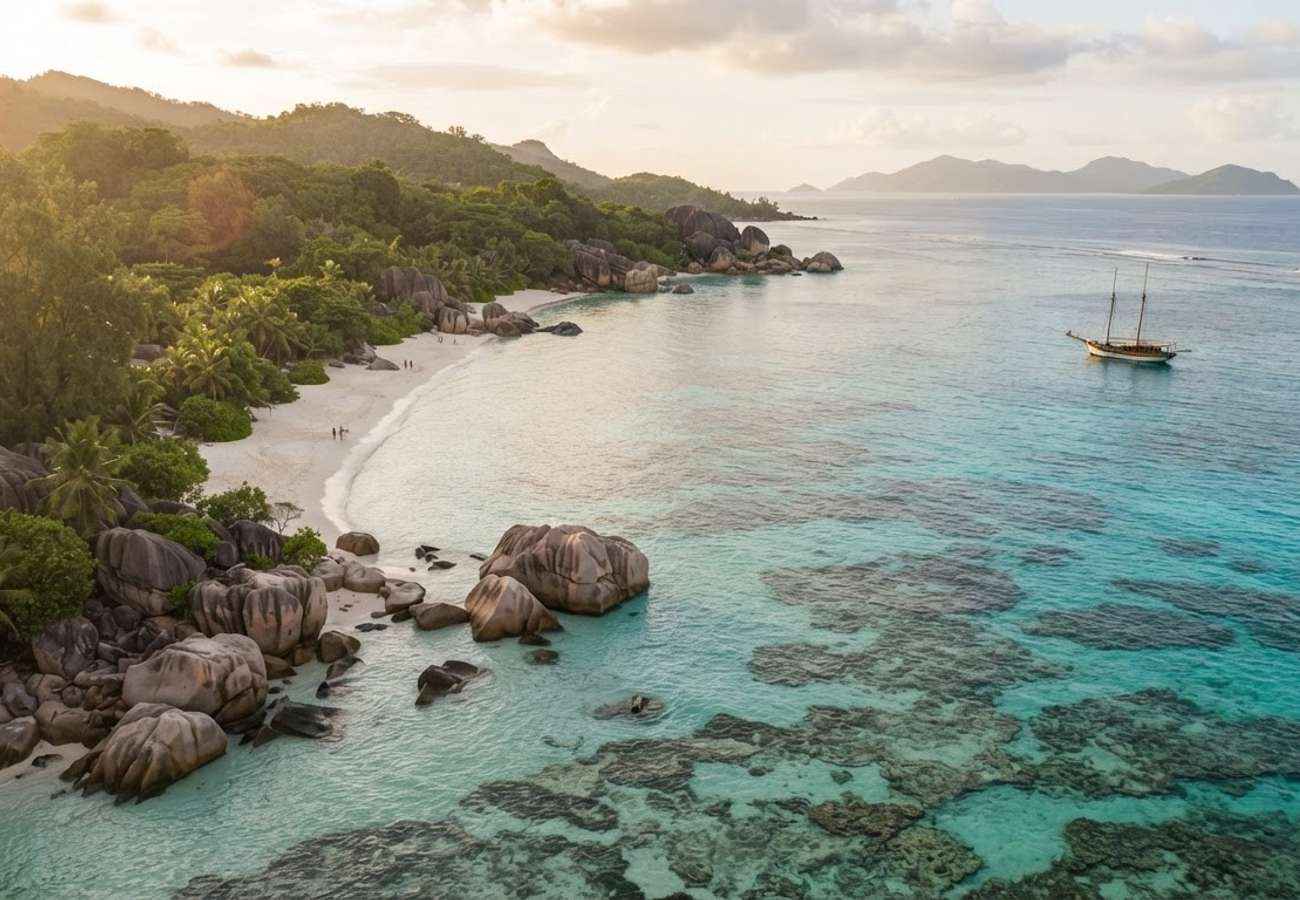
Image generated by AI
Seychelles continues to dominate African global mobility, with its passport granting visa-free or visa-on-arrival access to approximately 155 countries. Simultaneously, the nation is pivoting toward a strict "eco-luxury" model to protect the marine ecosystems of its inner islands.
The Seychelles archipelago is currently balancing two distinct international profiles: a powerhouse of global mobility for its citizens and a highly regulated, conservation-first sanctuary for international visitors. As of August 2026, the nation maintains its position as the highest-ranking passport in Africa, a metric that underscores the country's integration into the global travel network.
Global Mobility and the Seychelles Passport
The strength of the Seychelles passport is a critical component of the nation's international standing. By providing access to roughly 155 destinations without the need for traditional advance visas, the country ensures its citizens possess high levels of autonomy in international movement.
For a domestic economy heavily reliant on the flow of international tourists, this open-border profile serves as a strategic signal. It reinforces the image of Seychelles as an outward-looking nation that prioritizes accessibility and seamless connectivity—values that are mirrored in how the country manages its own incoming tourism.
Regional Transit and Island Connectivity
International arrivals are centralized through the Seychelles International Airport on Mahé. From this primary hub, transit is distributed across the inner islands via a combination of ferry services and domestic flights.
Primary Island Transit Specifications
| Island | Primary Role | Key Transit Features | Primary Attractions |
|---|---|---|---|
| Mahé | International Gateway | Airport hub, urban infrastructure, road networks | Victoria (Capital), Mountain hiking, Marine Parks |
| Praslin | Eco-Tourism Hub | Ferry connections, local shuttles | Vallée de Mai (UNESCO), Coco de Mer forests |
| La Digue | Slow Tourism Zone | Bicycle-centric, limited motorized transit | Granite formations, traditional villages |
The Eco-Luxury Conservation Framework
Tourism Seychelles has implemented a rigorous conservation strategy aimed at the inner islands, where luxury resorts are now required to coexist with strict environmental preservation mandates. This "eco-luxury" model recognizes that the natural infrastructure—coral reefs, seagrass beds, and wetlands—is the primary asset driving the tourism economy.
Marine Protected Areas (MPAs)
The Sainte Anne Marine National Park near Mahé serves as the blueprint for this approach. Activities such as snorkeling and boat excursions are strictly controlled to prevent reef degradation. This regulatory environment ensures that the growth in demand for private-island experiences does not lead to the collapse of the underwater ecosystems.
Sustainable Resort Integration
High-end resorts across the archipelago are increasingly integrating the following conservation metrics into their operations:
- Habitat Restoration: Active reef monitoring and coral planting.
- Resource Management: Advanced waste reduction and water desalination protocols.
- Coastal Protection: Mitigation of beachfront erosion to protect nesting habitats.
Traveler Logistics Guide: Navigating the Archipelago
From a ground-level perspective, the best way to navigate the Seychelles is to treat Mahé as your logistics base before venturing to the outer inner islands.
Booking Connections When planning transit between Mahé, Praslin, and La Digue, avoid booking tight connections. While ferries are the standard, weather conditions in the Indian Ocean can cause sudden schedule shifts. Allow a minimum of 3-4 hours between your international flight arrival and your inter-island ferry departure.
Navigating La Digue Unlike Mahé and Praslin, La Digue is designed for low-impact exploration. The most efficient—and often only—practical way to navigate the island is by bicycle. Visitors should arrange bike rentals in advance through their guesthouse or at the jetty upon arrival.
Digital Transit and Entry Visitors should ensure all travel authorizations are completed digitally before arrival at Seychelles International Airport to expedite customs. While the Seychelles passport enjoys immense freedom, international visitors must adhere to the current visa-on-arrival requirements, which are generally streamlined for most nationalities to encourage tourism.
Infrastructure Impact Assessment
The shift toward eco-luxury is not merely an environmental choice but an economic necessity. By limiting the scale of development on islands like La Digue and protecting the Vallée de Mai on Praslin, Seychelles is avoiding the "over-tourism" traps that have plagued other tropical destinations. This strategy preserves the high-value nature of the destination, ensuring that luxury tourism remains sustainable and that the biological assets supporting the economy remain intact for 2027 and beyond.
A masterclass in balancing high-velocity global mobility with low-impact local tourism.
Related Travel Guides
This article is for informational purposes. Flight routes, passenger regulations, visa rules, and transit advisories are subject to change by airlines and aviation authorities. Readers are advised to verify schedules and travel documentation with relevant carriers and border agencies before departure.
Related Stories
Seychelles Aldabra Atoll Giant Tortoise Conservation and Restricted Access Eco-Tourism Rules 2026

European Mass Protests Disrupt Travel Across France, Italy, Belgium, and Turkey in 2026