
Seychelles Teams Up With Tajikistan As Visa-Free Travel Deal Opens New Tourism Opportunities
Seychelles Teams Up With Tajikistan As Visa-Free Travel Deal Opens New Tourism Opportunities

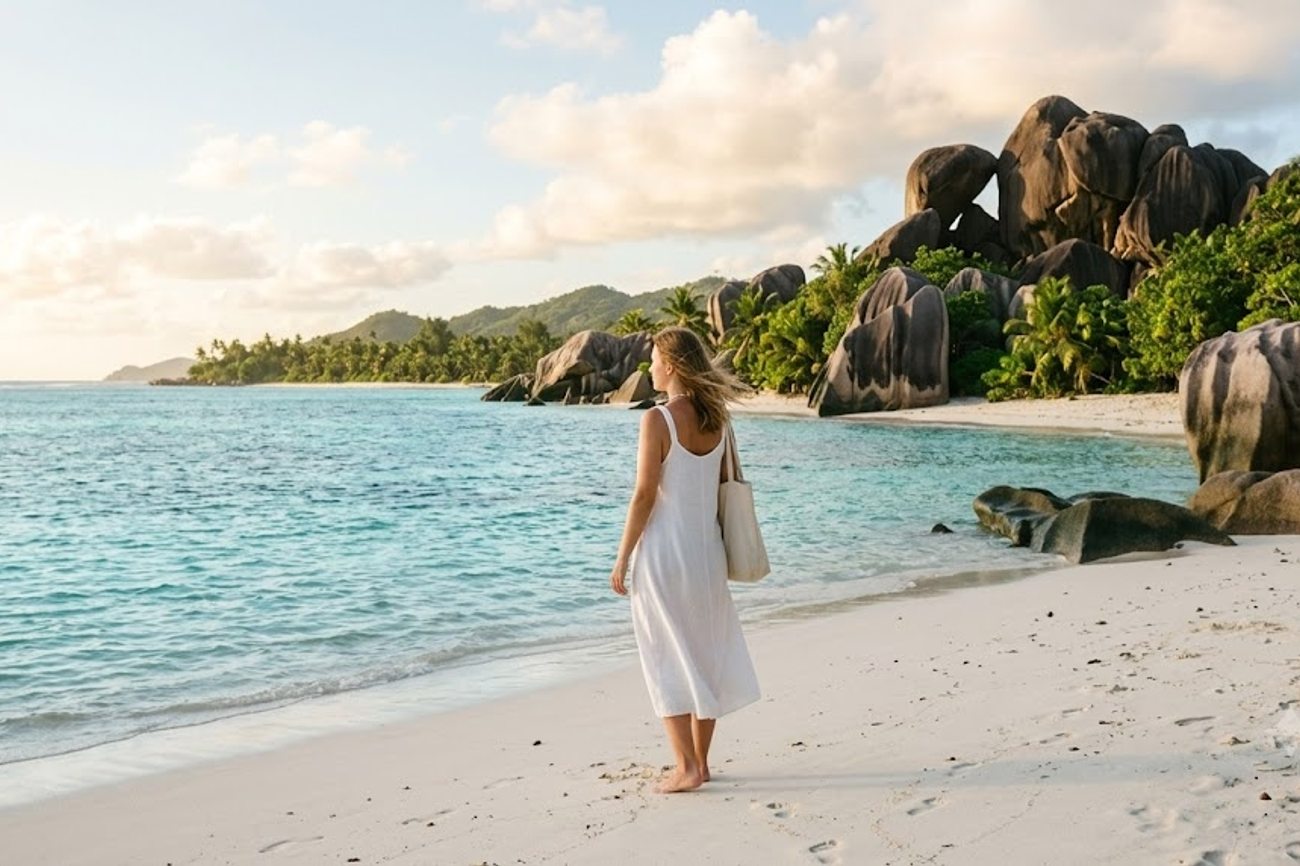
Image generated by AI
The Seychelles-Tajikistan visa waiver marks a strategic pivot in non-traditional corridor development, mirroring a broader global trend where emerging markets bypass traditional Western hubs to establish direct bilateral links. While the Indian Ocean and Central Asian regions have historically operated as isolated tourism silos, this agreement signals a move toward "South-South" tourism cooperation, reducing administrative friction for passport holders of both nations.
The Central Asia-Indian Ocean Corridor in Numbers
The newly ratified agreement establishes a precise framework for mobility between Seychelles and Tajikistan, removing the prerequisite for visa applications for holders of ordinary, official, service, and diplomatic passports. The data parameters of the agreement are strictly defined to balance tourism growth with national security:
- Maximum Stay per Visit: 30 days.
- Annual Cumulative Limit: 90 days per calendar year.
- Passport Eligibility: 100% coverage of passport types (Ordinary, Diplomatic, Service, Official).
- Diplomatic Foundation: The agreement builds upon a relationship established in December 2017.
From a data perspective, this is not merely a diplomatic gesture but a market expansion strategy. By eliminating the visa barrier, both nations are attempting to diversify their visitor demographics. According to UNWTO, diversifying source markets is a primary hedge against regional economic volatility. For Seychelles, this represents an opening into the Central Asian market; for Tajikistan, it is an opportunity to study the high-yield, luxury-centric tourism model that Seychelles has perfected.
Comparative Market Analysis: Tropical vs. Alpine Models
The synergy between these two nations lies in their "complementary seasonality." Seychelles operates on a tropical cycle, while Tajikistan relies on mountain-based ecotourism and glacial attractions. This creates a theoretical year-round travel loop that prevents the "off-season slump" common in single-climate destinations.
When comparing the two markets, we see a stark contrast in tourism infrastructure and target demographics. Seychelles has long focused on the ultra-luxury segment, whereas Tajikistan is currently in a growth phase for adventure and nature-based tourism.
| Metric | Seychelles (Indian Ocean Model) | Tajikistan (Central Asian Model) |
|---|---|---|
| Primary Attraction | Marine/Beach/Luxury | Mountains/Glaciers/Ecotourism |
| Market Maturity | Established High-Yield | Emerging Adventure |
| Visa Status (Pre-Agreement) | Required/Controlled | Required/Controlled |
| New Access Limit | 30 Days per visit / 90 per year | 30 Days per visit / 90 per year |
| Strategic Goal | Market Diversification | Infrastructure/Model Learning |
This shift mirrors patterns seen in IATA data, where "secondary city" and "non-traditional route" connectivity is growing faster than traditional hub-to-hub traffic. The agreement is a precursor to the discussed improvements in air connectivity, as the lack of direct flights currently remains the primary bottleneck for the actualization of these numbers.
What This Means for Travelers
For the individual traveler, this agreement transforms the logistical feasibility of a multi-continent itinerary. However, the data suggests that the "ease of entry" is currently ahead of the "ease of access."
1. Booking Logistics: If you are a citizen of Seychelles or Tajikistan planning a trip, the administrative cost of travel has dropped to zero. However, because direct air connectivity is still under discussion, travelers must still budget for multi-stop itineraries. Booking flights through major hubs (such as Dubai or Istanbul) remains the only viable path, meaning travel time will remain high despite the visa-free status.
2. Timing Your Visit: Leverage the seasonal contrast. The optimal window for a combined trip would be visiting Tajikistan during the summer months for alpine trekking and transitioning to Seychelles during the Northern Hemisphere's winter to avoid the monsoon patterns.
3. Duration Planning: Strictly adhere to the 30-day per visit and 90-day annual limit. Because these agreements are monitored via passport stamps, overstaying by even 24 hours could jeopardize future visa-free privileges.
Projecting the South-South Tourism Trajectory
Based on current geopolitical movements, the Seychelles-Tajikistan agreement is likely the first of several "unlikely" partnerships. We are seeing a pattern where nations in the Global South are creating "tourism bridges" to reduce dependency on European and North American arrivals.
The next phase of this trend will be the formalization of air corridors. Once the visa barrier is removed, the demand data creates a business case for airlines to introduce charter flights or codeshare agreements. If Tajikistan successfully adopts the Seychelles luxury model, we can expect an increase in high-end boutique lodge developments in the Pamir Mountains, shifting Tajikistan's GDP contribution from basic ecotourism to high-yield luxury tourism.
Furthermore, the extension of this cooperation into education and health—as mentioned in the bilateral discussions—suggests that "tourism" is being used as the entry point for a broader economic integration. This is a classic pattern in emerging market diplomacy: Visa Waiver $\rightarrow$ Tourism Growth $\rightarrow$ Trade Agreements $\rightarrow$ Institutional Partnerships.
FAQ: Seychelles-Tajikistan Travel 2024
Will flight prices between these regions decrease? Not immediately. Visa waivers reduce administrative costs, but not operational aviation costs. Until direct flights or dedicated charters are established, prices will remain dependent on third-party hub carriers.
Is this a good time for investors to enter the Tajikistan tourism market? Yes. With Tajikistan actively seeking to learn from the Seychelles luxury model, there is a significant gap in the market for high-end, sustainable mountain resorts that mirror the "island luxury" experience.
Can residents of other countries benefit from this agreement? No. This specific waiver applies only to passport holders of Seychelles and Tajikistan. Travelers from other nations must still follow standard visa protocols for both destinations.
What is the maximum time I can spend in the destination per year? The agreement allows for a maximum of 90 days total within a single calendar year, regardless of how many individual 30-day trips you take.
The erasure of borders between the peaks of Central Asia and the shores of the Indian Ocean signals a new era of diversified global mobility.
#SeychellesTourismGrowth2024 #TajikistanMarketExpansion #SouthSouthTourismCorridor #VisaWaiverData #CentralAsiaIndianOceanConnectivity
Related Travel Guides
- New Zealand Transforms Luxury Tourism With New Advisor Programme Showcasing Exclusive Experiences
- Italy Overtakes Switzerland and Other Spa Destinations as Wellness Awards Reshape Europe Travel in 2026
- Ireland Travel Surges As Shannon Airport Crosses One Million Summer Passengers With New Routes Growth
Disclaimer
This article is for informational and educational purposes only. It does not constitute legal, financial, or professional advice. While we strive to provide accurate and up-to-date information, travel policies, regulations, and conditions change rapidly. Always verify information with official sources before making travel decisions. Nomad Lawyer makes no representations about the accuracy, reliability, completeness, or suitability of the information provided. Readers should consult qualified professionals for advice specific to their circumstances. The views expressed in this article are those of the author and do not necessarily reflect the views of Nomad Lawyer.
Preeti Gunjan
Contributor & Community Manager
A passionate traveller and community builder. Preeti helps grow the Nomad Lawyer community, fostering engagement and bringing the reader experience to life.
Learn more about our team →