
Breaking Airline News: Severe Storms and Tornado Warnings Paralyze Chicago O’Hare, Sparking Global Travel Chaos
Breaking airline news: Amidst terrifying extreme weather and tornado warnings, Chicago O'Hare descends into absolute operational gridlock, stranding passengers across 117 flight cancellations and 335 severe delays.

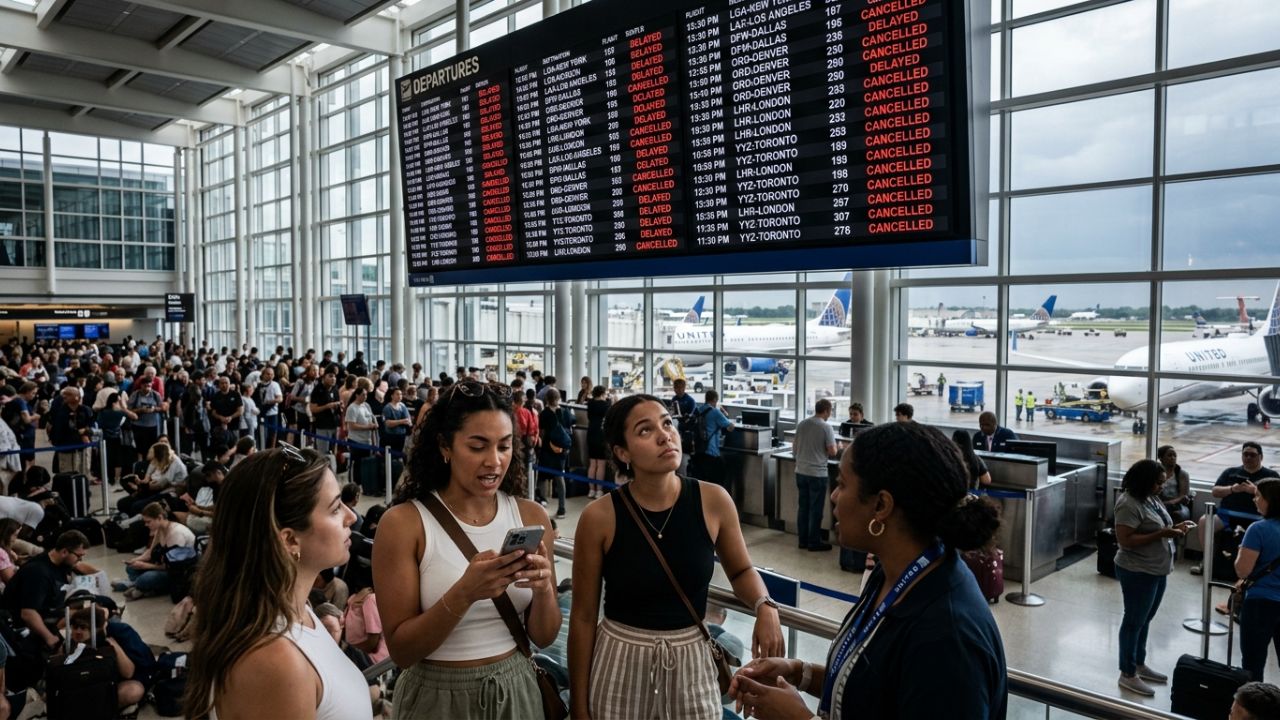
Image representing the intense regional network collapse as catastrophic severe thunderstorms and tornado warnings aggressively paralyze operations at Chicago O'Hare, trapping domestic and international passengers in a terrifying surge of travel chaos.
Breaking Airline News: Severe Storms and Tornado Warnings Paralyze Chicago O’Hare, Sparking Global Travel Chaos
As paralyzing terminal bottlenecks, severe airspace congestion, and catastrophic operational fragility violently transform regional transit into a grueling endurance test, a massive weather-driven infrastructural shock has just decimated the US Midwest. In a harrowing demonstration of how rapidly extreme meteorological events can completely collapse global aviation networks, powerful, apocalyptic severe storms and terrifying tornado warnings have triggered massive flight cancellations at Chicago O’Hare International Airport. Operating under absolute duress, a multitude of elite carriers—including American Airlines, United Airlines, SkyWest, and Republic Airways—are currently fighting horrific operational challenges. A catastrophic wave of 117 flight cancellations and 335 severe delays has violently thrust hundreds of stranded passengers into extreme travel chaos today, June 13, 2026. These sudden airport disruptions have completely severed critical air links across the US and crippled international routes spanning Canada, Mexico, Spain, Italy, Ireland, the Netherlands, and Japan, proving once again the terrifying vulnerability of modern commercial aviation.
In a brutal demonstration of how desperately regional passengers require absolute operational resilience to survive systemic transit failures, this aggressive airport meltdown represents far more than a minor scheduling glitch. The massive scale of the disruption at Chicago O'Hare is directly tied to the severe weather tearing through the region. Although authorities later lifted the tornado warnings as conditions gradually improved, the logistical nightmare had already been unleashed. Airlines were forced to scramble to reposition aircraft and crews, creating a severe backlog that choked one of the world's busiest transit arteries. As flights were abruptly canceled and schedules drastically shifted, desperate travelers at Chicago O'Hare faced agonizing extended waiting times, terrifying rebooking difficulties, and totally ruined onward connections.
Expanded Overview: Weaponizing the Weather Meltdown
The terrifying crisis of overwhelming passenger stress currently testing Chicago O'Hare brutally exposes the severe limitations of massive hub networks when subjected to extreme atmospheric violence. Recognizing this absolute vulnerability, travel analysts are aggressively tracking how a concentrated failure at O'Hare instantly radiates outward, threatening to paralyze interconnected hubs across North America, Europe, and Asia.
Section-Wise Breakdown: Navigating the Hub Collapse
To fully comprehend the massive logistical and economic damage of this operational failure, corporate travel planners and international tourists must rigorously review exactly how these flight suspensions are driving travel chaos across specific global markets.
The O'Hare Meltdown: Ground Zero for Disruption To understand the absolute severity of this event, one must look at the epicenter. Chicago O'Hare remained the airport most heavily affected by the disruptions. The extreme weather required immediate ground stops, halting the massive flow of arrivals and departures. American Airlines recorded the absolute highest number of cancellations among all carriers serving the airport, while United Airlines saw significant disruption affecting dozens of flights due to its massive hub presence. Regional operators were equally devastated, with SkyWest dealing primarily with a large number of cascading delays, and Republic Airways encountering both cancellations and delays that ruined countless connections.
The Domestic Shockwave: Coast to Coast Gridlock The aggressive ripple effect of the Chicago suspensions quickly contaminated the broader domestic network. The sheer volume of affected major airports is staggering. Delays and cancellations violently impacted passengers traveling through LaGuardia Airport, Reagan National Airport, Dallas-Fort Worth International Airport, Boston Logan International Airport, Miami International Airport, and Newark Liberty. Furthermore, crucial domestic links connecting Atlanta, Phoenix, and Minneapolis experienced severe interruptions, completely ruining itineraries for business travelers and leisure passengers relying on Chicago as a transit point.
The International Collapse: Europe, Asia, and Beyond The devastation immediately spread to highly specialized international markets. Operations to Canada and Mexico faced massive service interruptions. Furthermore, the transatlantic and transpacific networks were caught in the crossfire. Flights connecting Chicago to Spain, Italy, the Netherlands, Ireland, and Japan were severely affected as schedules violently adjusted to the chaos. Carriers like Lufthansa and British Airways reported operational interruptions and delays affecting their international services, reflecting the massive global impact of the Midwest storms.
Operational Carrier Impact Matrix
To guarantee that travelers can aggressively track the specific carriers driving this massive operational collapse, the following matrix details the exact, verified flight disruption data currently dominating the airline news.
| Airline | Verified Operational Impact at Chicago O'Hare |
|---|---|
| American Airlines | Recorded the highest number of cancellations |
| United Airlines | Significant disruptions affecting dozens of flights |
| SkyWest Airlines | Faced a large number of delays across operations |
| Republic Airways | Encountered both cancellations and delays |
| Delta Air Lines | Smaller number of disruptions; affected by delays/cancellations |
| Alaska Airlines | Limited number of flights experiencing delays/schedule changes |
| JetBlue Airways | Reported delays on several flights |
| Lufthansa & British Airways | International delays reflecting broader overseas impact |
Data reflects the concentrated disruption driving the regional meltdown at Chicago O'Hare.
Passenger Impact: Escaping the Terminal Nightmare
For the hundreds of international tourists and regional business executives attempting to confidently navigate the rapidly swelling, chaotic terminal at Chicago O'Hare, these flight cancellations represent a highly critical threat. Travelers suffering from the horrifying prospect of navigating aggressive rebooking queues after their European vacation or connecting flight to Japan was suddenly ruined are immediately plunged into panic.
Instead of battling intense physical fatigue while searching for airline representatives, passengers must aggressively utilize electronic ticketing systems and airline apps. The combined impact of 117 cancellations and 335 delays created horrifying scheduling challenges, leading directly to missed connections, violently extended wait times, and massive operational adjustments across multiple carriers.
What to Do if Your Flight Gets Cancelled: A Passenger Survival Guide
Flight cancellations can be terrifying, but executing a highly structured defense can absolutely minimize stress and prevent financial devastation. Here is the ultimate tactical guide to surviving the Chicago O'Hare airport disruptions:
- Aggressively Monitor Flight Status: Check the latest flight status through your airline’s official website or mobile app constantly. Schedules can change several times throughout the day with zero notice.
- Arrive Early and Prepare for Gridlock: Arrive at the airport earlier than usual. Allow massive amounts of additional time for check-in, baggage procedures, and security screening, as terminal operations are recovering from extreme disruptions.
- Rebooking and Tactical Refunds: If your flight is delayed or cancelled, contact your airline immediately to understand available rebooking options and alternative travel arrangements.
- Secure Travel Intelligence: Keep important travel documents, identification, and booking information readily available to simplify communication with overwhelmed airline representatives.
- Monitor Onward Connections: Travelers with connecting flights must monitor subsequent segments closely and remain highly aware of any schedule adjustments that could destroy onward travel plans. Maintain absolute flexibility.
Conclusion: The Vulnerability of Global Hubs
As the extremely critical domestic transit network continues to face terrifying strain from unprecedented extreme weather, the aggressive operational collapse at Chicago O'Hare International Airport represents a massive warning. It signals a critical reality: severe weather pockets and tornado warnings can violently cascade, creating 117 cancellations and 335 delays that paralyze travel across the US, Canada, Mexico, Europe, and Asia. With American, United, and SkyWest struggling to restore normal schedules, travelers facing these massive airport disruptions must maintain intense vigilance. This event proves that the future of resilient commercial aviation relies entirely on anticipating and aggressively bypassing sudden environmental travel chaos.
Key Takeaways
- Massive Regional Meltdown: Severe storms and terrifying tornado warnings triggered 117 flight cancellations and 335 delays at Chicago O’Hare.
- Major Airlines Crippled: American Airlines recorded the highest number of cancellations, while United Airlines and SkyWest faced significant, widespread delays.
- Domestic Network Shockwave: The Chicago meltdown violently disrupted connected flights at LaGuardia, Reagan National, DFW, Boston Logan, Miami, Newark, Atlanta, and Phoenix.
- International Routes Severed: Massive disruptions hit international routes connecting Chicago to Canada, Mexico, Spain, Italy, the Netherlands, Ireland, and Japan.
- Passenger Defense: Stranded travelers are aggressively urged to monitor airline apps, arrive extremely early to combat terminal gridlock, and demand alternative routing.
Related Travel Guides
Disclaimer
This article is for informational and educational purposes only. It does not constitute legal, financial, or professional advice. While we strive to provide accurate and up-to-date information, travel policies, regulations, and conditions change rapidly. Always verify information with official sources before making travel decisions. Nomad Lawyer makes no representations about the accuracy, reliability, completeness, or suitability of the information provided. Readers should consult qualified professionals for advice specific to their circumstances. The views expressed in this article are those of the author and do not necessarily reflect the views of Nomad Lawyer.
Kunal K Choudhary
Co-Founder & Contributor
A passionate traveller and tech enthusiast. Kunal contributes to the vision and growth of Nomad Lawyer, bringing fresh perspectives and driving the community forward.
Learn more about our team →