
VIA Rail Modernizes National Network With 313 Alstom Adessia Cars
VIA Rail is replacing aging fleets with 313 Alstom Adessia passenger cars, connecting 400 communities across 8 major rail corridors in Canada.

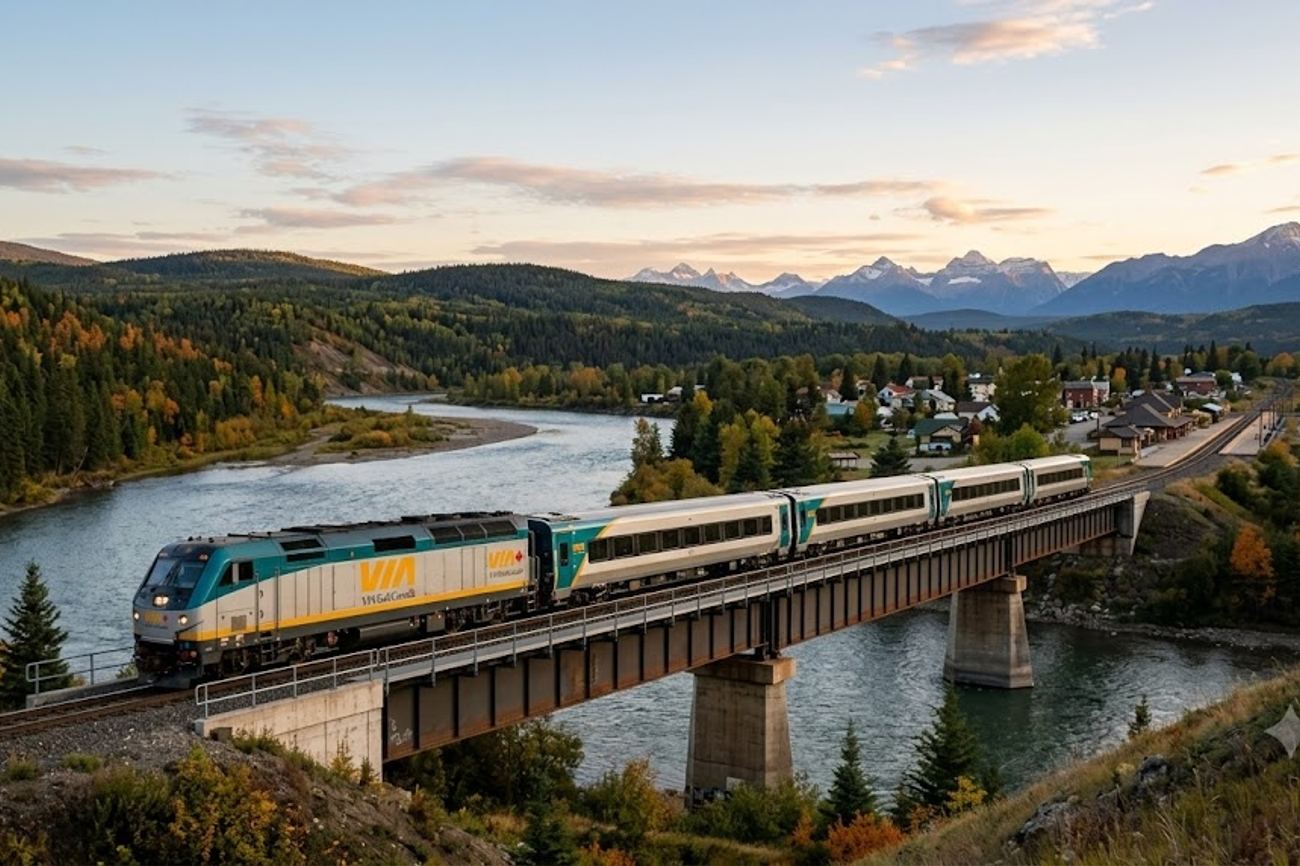
Image generated by AI
The Local Trend Revealed
Canada is shifting away from aging rolling stock in favor of a high-capacity, modernized rail experience. The procurement of 313 Alstom Adessia passenger cars marks a systemic upgrade to the country's long-distance, regional, and remote rail lines. This isn't merely a cosmetic update; it is a strategic overhaul of the infrastructure connecting major hubs like Vancouver, Toronto, Montreal, and Halifax.
The rollout targets eight primary corridors, ensuring that the transition from urban centers to isolated towns is seamless. To guarantee the longevity of this investment, Alstom has committed to 15 years of technical support, ensuring that the fleet remains operational and reliable despite the harsh environmental demands of the Canadian wilderness.
Cultural & Environmental Value
For the visitor, the real impact is the democratization of the Canadian wild. While air travel offers speed, it strips away the geographical context of the journey. The Adessia fleet reinforces the "slow travel" movement, allowing passengers to engage with the regional heritage of the 400 connected communities without the carbon footprint of short-haul flights.
By upgrading remote routes, VIA Rail is supporting the economic viability of small-town hospitality and indigenous-led tourism. This investment ensures that regional economies—often bypassed by major highways—remain accessible to global travelers. The move aligns with broader sustainability goals by prioritizing electrified and efficient rail transport over road-based transit across vast distances.
Visitor Insider Tips
To make the most of the evolving rail network, keep these local nuances in mind:
- The Transition Window: The rollout is gradual. When booking, check the specific equipment for your route via the official VIA Rail portal, as you may find a mix of legacy cars and new Adessia units during the transition.
- Off-Peak Exploration: To avoid the summer rush in the Rockies or the autumn foliage peak in Quebec, travel during the "shoulder seasons" (May or October). You'll find more availability in the new cars and lower rates.
- Regional Dining: While on-board dining is a staple, use the stops in smaller communities to seek out local specialties—such as Atlantic lobster rolls in the East or authentic poutine in rural Quebec—to directly support local vendors.
- Packing for the Remote: Even with modernized climate control, remote routes can be unpredictable. Carry a portable power bank and a physical map of the region, as cellular service often drops between major hubs.
Tourism Outlook
The long-term trajectory for Canadian tourism is shifting toward immersive, multi-day journeys. The introduction of the Adessia fleet makes rail a competitive alternative to domestic flights, likely increasing the average length of stay for international visitors. By strengthening the link between urban centers and remote outposts, Canada is positioning its rail network as a primary tourism product rather than just a means of transport.
Related Travel Guides
Disclaimer
This article is for informational and educational purposes only. It does not constitute legal, financial, or professional advice. While we strive to provide accurate and up-to-date information, travel policies, regulations, and conditions change rapidly. Always verify information with official sources before making travel decisions. Nomad Lawyer makes no representations about the accuracy, reliability, completeness, or suitability of the information provided. Readers should consult qualified professionals for advice specific to their circumstances. The views expressed in this article are those of the author and do not necessarily reflect the views of Nomad Lawyer.
Naina Thakur
Contributor & Travel Specialist
Travel enthusiast and legal writer covering visa regulations, responsible tourism, and cultural journeys across global destinations.
Learn more about our team →