
Screen Tourism and Lore Chasing Evolve into Major Economic Drivers as Film Locations Shape Global Travel Demand
Discover how screen tourism and lore chasing in Scotland, Italy, New Zealand, Iceland, and Japan are transforming cinematic locations into tourism assets.

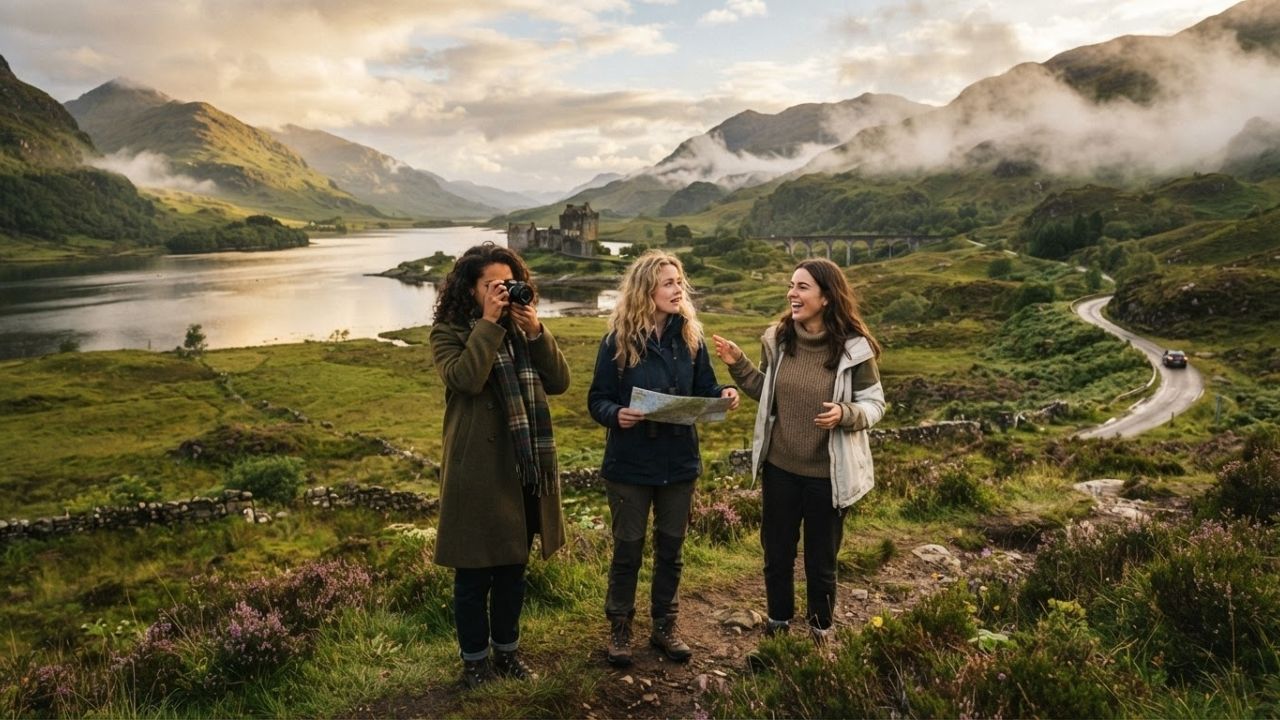
Image generated by AI
The rapid expansion of screen tourism and lore chasing has emerged as a major economic driver for the global travel sector. Locations in Scotland, Southern Italy, New Zealand, Iceland, and Japan are leveraging cinematic storytelling to build heritage tourism capacity and encourage longer visitor stays.
As streaming media consumption increases worldwide, screen tourism redirects visitor flows toward historical sites, fantasy film locations, and regional villages. Travel analysts report that travelers are moving away from traditional sightseeing packages, choosing instead to chase local folklore, literary universes, and television backdrops. By visiting destinations like the Scottish Highlands, Sicily, Middle-earth sets in New Zealand, and anime pilgrimage paths in Japan, high-value travelers support independent businesses, boutique hotels, and local guide services, directly strengthening regional economies.
Strategic Drivers: Evaluating the Direct Impacts of Screen Visibility on Destinations
The transition toward narrative-driven travel has introduced the concept of lore chasing, where visitors seek deep emotional and historical connections with their destinations. This strategy combines three main pillars to generate sustainable inbound travel demand:
- Screen Visibility: Introduces regional geographies to millions of global viewers via streaming platforms.
- Cultural Storytelling: Establishes deeper visitor engagement by connecting filming locations with authentic local legends.
- Heritage Experiences: Encourages longer visitor stays and higher out-of-pocket spending on local artisan goods.
Unlike traditional sightseeing, this model motivates travelers to explore the complete cultural identity of a region, ensuring that economic benefits are shared directly with local communities.
Scottish Highlands: Connecting Outlander Filming Locations with Authentic Clan Heritage
Scotland has established itself as a leading example of storytelling-led travel. The international success of the Outlander series has introduced the country's historic castles, clan structures, and Gaelic traditions to a global audience.
Filming locations like Doune Castle, Midhope Castle, and the historic village of Culross have recorded significant visitor growth. Travelers frequently combine these cinematic routes with visits to authentic historical sites, including Culloden Battlefield, where the historic Jacobite conflict occurred. Other major sites like Clava Cairns—a prehistoric burial complex dating back 4,000 years—and the 5,000-year-old Callanish Standing Stones in the Outer Hebrides allow visitors to connect directly with Scotland's ancient archeological mysteries.
Southern Italy: Leveraging the White Lotus and Ripley Effects in Sicily and Puglia
Southern Italy demonstrates how international film productions can accelerate regional hospitality demand when supported by strong cultural assets. In Sicily, the success of The White Lotus Season 2 drove significant interest in Taormina and its surrounding coastal reserves, such as Isola Bella.
Similarly, the UNESCO-listed Baroque architecture of Noto has gained global attention, helping the island transform its Greek, Roman, and Norman history into immersive travel routes. In Puglia, the series Ripley has boosted interest in traditional village tourism. Visitors are opting for rural masseria stays—fortified farmhouses offering olive-growing heritage and local culinary classes—and exploring the distinctive trulli homes of Alberobello and the cliffs of Polignano a Mare.
New Zealand's Middle-earth: Integrating Te Ao Māori Heritage with Fantasy Tourism
New Zealand remains a global leader in screen-inspired travel, maintaining steady demand years after The Lord of the Rings and The Hobbit franchises first showcased its volcanic terrain. The Hobbiton Movie Set in Matamata remains the center of the country's film tourism strategy, drawing visitors to explore the Shire scenery.
To build long-term value, New Zealand has integrated these fantasy elements with authentic Indigenous storytelling. The Māori worldview, known as Te Ao Māori, introduces travelers to traditional legends, carving arts, and geothermal resources in Rotorua. Visiting the ancient Tāne Mahuta tree in the Waipoua Kauri Forest allows travelers to experience the creation myths of Northland, combining global entertainment brands with living cultural heritage.
Volcanic Legends: Showcasing Game of Thrones Landscapes and Norse Sagas in Iceland
Iceland leverages its extreme geological environments to attract travelers interested in mythical lore and cinematic wilderness. Volcanic fields, glaciers, and black sand beaches served as backdrops for productions like Game of Thrones and The Northman.
Key visitor locations include the Reynisfjara black sand beach, the Dimmuborgir lava formations, and the Grjótagjá geothermal cave. However, Iceland's primary appeal lies in connecting these physical sites with Norse sagas, Viking history, and the folklore of the Huldufólk (hidden people). Exploring the Snæfellsnes Peninsula or Þingvellir National Park allows travelers to view these raw volcanic terrains through the lens of ancient cultural memory.
Anime Pilgrimages: Evolving Suga Shrine and Studio Ghibli-Inspired Tourism in Japan
Japan has developed a unique screen tourism model centered on Seichi Junrei (anime pilgrimage travel). Rather than visiting traditional film sets, animated film fans travel to real-world locations depicted in popular series, redirecting tourist flows to communities outside major urban centers.
A famous example is the staircase near Suga Shrine in Tokyo, which gained international fame after appearing in the film Your Name. Concurrently, Studio Ghibli-inspired tours encourage travelers to explore the historic preservation village of Shirakawa-go in Gifu Prefecture. This model connects modern entertainment with ancient Shinto beliefs, Kami folklore, and historic woodcraft traditions in Kyoto and Nara, introducing younger international audiences to Japan's cultural heritage.
Why This Matters (Information Gain & Experience)
For the traveler, the growth of screen tourism means that visiting filming locations is accompanied by structured, highly educational heritage tours. Travelers can explore ancient stone circles in Scotland or traditional farmhouses in Puglia with the support of local guides who provide authentic historical context.
From a planning perspective, the popularity of these cinematic locations makes early booking essential. Since sites like the Hobbiton set or Taormina's luxury hotels experience high seasonal demand, independent travelers should secure admission tickets and accommodation reservations months in advance to avoid travel disruptions.
Data Table
| Screen Tourism Driver | Destination Strategy & Assets | Primary Inbound Tourism Impact |
|---|---|---|
| High Screen Visibility | Showcases locations to millions of viewers globally | Introduces non-traditional destinations to global travel markets |
| Cultural Storytelling | Connects film settings with local history and folklore | Creates deeper visitor engagement beyond the film set |
| Heritage Tourism | Integrates ancient monuments (e.g., 5,000-year Callanish Stones) | Encourages longer visitor stays and higher out-of-pocket spending |
| Bespoke Accommodations | Promotes specialized stays (e.g., Italian Masseria packages) | Drives local revenue directly to rural hospitality operators |
| Decentralized Routes | Diverts traffic from crowded hubs (e.g., Tokyo to Gifu Prefecture) | Distributes economic capital directly to regional artisans |
Key Takeaways
- Lore Chasing: Screen tourism has evolved beyond sightseeing into lore chasing, where travelers seek emotional and historical connections.
- Outlander Effect: Scotland successfully integrates Outlander filming sites with historic Jacobite battlefields and ancient stone circles.
- Southern Italy Boom: Productions like The White Lotus and Ripley have boosted demand for luxury heritage stays in Sicily and Puglia.
- Indigenous Storytelling: New Zealand combines its Middle-earth film heritage with Te Ao Māori cultural programs to enrich the visitor experience.
- Anime Pilgrimages: Japan's Seichi Junrei travel model redirects visitors to rural prefectures featured in popular animated productions.
FAQ
What is screen tourism?
Screen tourism refers to travel motivated by a destination's appearance in movies, television series, or animated films.
What is lore chasing in travel?
Lore chasing is a travel trend where visitors choose destinations based on local legends, historical sagas, folklore, or fictional universes.
How old are the Callanish Standing Stones in Scotland?
The Callanish Standing Stones, located on the Isle of Lewis in the Outer Hebrides, date back approximately 5,000 years.
What is a masseria in Puglia, Italy?
A masseria is a fortified farmhouse typical of the Puglia region, often dating back centuries and now used for boutique lodging and olive-growing heritage tours.
What does Te Ao Māori mean in New Zealand tourism?
Te Ao Māori refers to the Māori worldview, which emphasizes the deep ancestral connection between people, nature, and the local environment.
Related Travel Updates and Regional Guides
- Related: Porto Santo Complements Funchal With Luxair Luxembourg Flights, New Airport Terminal Tender and Integrated Buses to Support Sustainable Tourism
- Related: Ireland Tourism Growth Gathers Momentum as Spain, United States and Germany Drive Inbound Leisure Travel Across Five Months in 2026
- Related: Greece Wildfires Disrupt Peak Summer Travel as Crete Evacuates Thousands and Flames Threaten Outer Suburbs of Athens
Disclaimer
This article is for informational and educational purposes only. It does not constitute legal, financial, or professional advice. While we strive to provide accurate and up-to-date information, travel policies, regulations, and conditions change rapidly. Always verify information with official sources before making travel decisions. Nomad Lawyer makes no representations about the accuracy, reliability, completeness, or suitability of the information provided. Readers should consult qualified professionals for advice specific to their circumstances. The views expressed in this article are those of the author and do not necessarily reflect the views of Nomad Lawyer.
Kunal K Choudhary
Co-Founder & Contributor
A passionate traveller and tech enthusiast. Kunal contributes to the vision and growth of Nomad Lawyer, bringing fresh perspectives and driving the community forward.
Learn more about our team →