
Travel Airlines Saudi Arabia: Major Flight Disruptions & Price Hikes in March 2026
Travel airlines Saudi Arabia face major disruptions as multiple Middle Eastern nations experience simultaneous flight cancellations in March 2026. Aegean Airlines raises ticket prices amid fuel surge. Travelers affected across UAE, Lebanon, Israel, and Iraq.

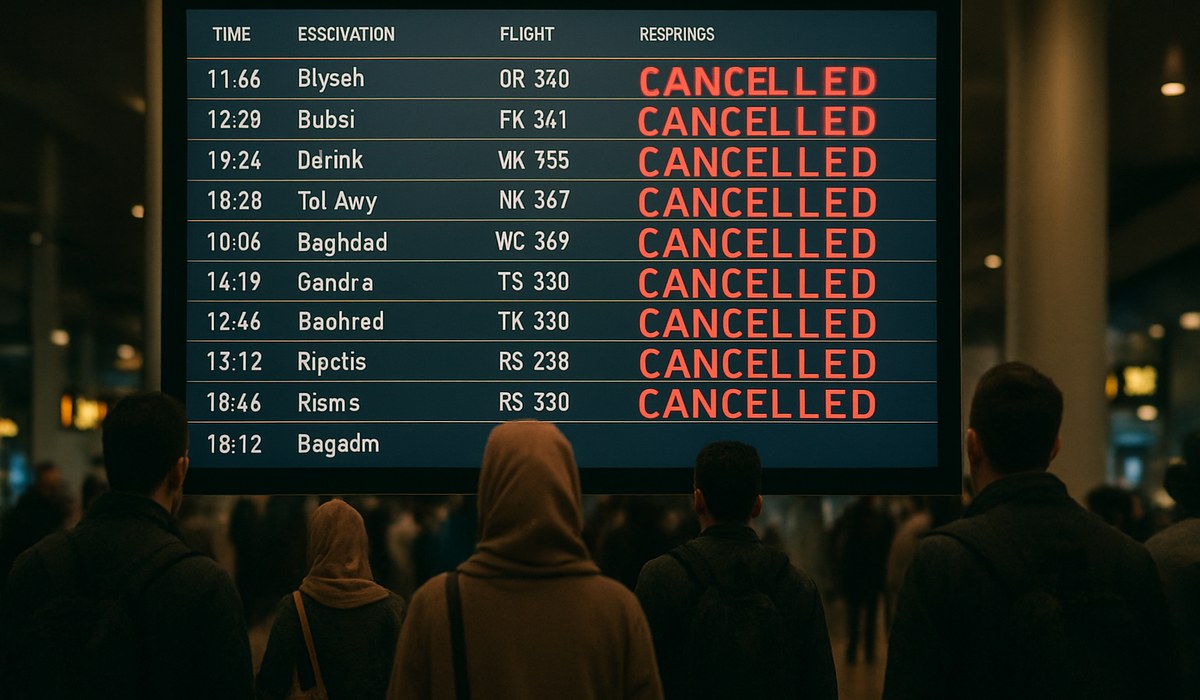
Image generated by AI
Widespread Flight Disruptions Sweep Across Middle East Region
Saudi Arabia joins the United Arab Emirates, Lebanon, Israel, and Iraq in experiencing unprecedented flight disruptions starting March 21, 2026. Multiple carriers operating in the region have implemented emergency protocols to manage capacity constraints. Rising fuel costs and geopolitical tensions are straining airline operations across major hubs including Riyadh (RUH), Dubai (DXB), and Baghdad (BGW). Aegean Airlines and regional competitors announced significant ticket price adjustments in response to operational pressures.
Aegean Airlines Implements Emergency Pricing Strategy
Aegean Airlines issued an urgent announcement regarding ticket price increases across all Middle Eastern routes on March 21, 2026. The carrier cited unrelenting fuel surcharges as the primary driver behind the decision. Flights departing from Athens (ATH) to destinations including Saudi Arabia and Lebanon now carry substantially higher base fares. The airline emphasized this measure ensures operational sustainability during the current crisis period. Passengers booked before the announcement retain previous pricing under grandfathered provisions.
Saudi Arabia's Riyadh and Jeddah Airports Report Major Cancellations
Riyadh's King Fahd International Airport (RUH) and Jeddah's King Abdulaziz International Airport (JED) confirmed multiple flight cancellations affecting inbound and outbound services. According to FlightAware, over 200 flights faced delays exceeding six hours on March 21. Saudi Arabian Airlines (Saudia) implemented a rolling schedule reduction. The airports advised passengers to contact their carriers directly for rebooking options. Airport authorities expect normalcy within 7-10 days pending fuel supply stabilization.
UAE, Lebanon, Israel, and Iraq Simultaneously Affected
The United Arab Emirates' Dubai International Airport (DXB) and Abu Dhabi International Airport (AUH) activated contingency protocols managing reduced flight capacity. Lebanon's Rafic Hariri International Airport (BEY) suspended non-essential services temporarily. Tel Aviv's Ben Gurion Airport (TLV) in Israel coordinated with regional aviation authorities for traffic management. Baghdad International Airport (BGW) in Iraq declared operational restrictions. The International Air Transport Association (IATA) confirmed this marks the most significant simultaneous disruption across Arabia's airspace in recent years.
Real-Time Flight Status and Tracking Resources
Passengers requiring immediate departure or arrival information should consult FlightAware for live tracking of affected flights. Most airlines operating in the region maintain dedicated Twitter accounts posting hourly updates. The [Federal Aviation Administration (FAA)](https://www.faa.gov) issued a Notice to Airmen (NOTAM) advising U.S. carriers of operational constraints. Saudi Arabian tourism authority websites display airport status in real-time. Enable flight alerts through your airline's mobile application for instant rebooking notifications.
Passenger Rights and Compensation Eligibility
Under U.S. Department of Transportation regulations, passengers on affected U.S.-operated flights qualify for compensation of $400-$750 depending on delay duration and flight distance. European carriers must provide equivalent compensation under EU Regulation 261/2004. International carriers should honor equivalent provisions established by their home nations. Passengers may claim hotel accommodations, meal vouchers, and ground transportation during forced overnight stays. Document all expenses with receipts for reimbursement claims filed post-travel. Airlines operating in Arabia's airspace must provide written compensation information at the airport upon cancellation or multi-hour delays.
Traveler Action Checklist
-
Verify your flight status immediately using FlightAware or your airline's official website before departing for the airport.
-
Contact your airline within 24 hours of disruption to initiate rebooking on available flights or claim refunds if rescheduling extends beyond acceptable timeframes.
-
Document all travel expenses including hotel stays, meals, transportation, and communication costs. Photograph receipts for compensation claims.
-
Request written confirmation of your new flight details, seat assignments, and any loyalty program mileage credits from airline representatives.
-
Register with your embassy if stranded internationally; U.S., EU, and other nation embassies maintain emergency travel assistance hotlines.
-
File compensation claims with your airline within 6 weeks for delays exceeding 3 hours or cancellations, citing specific regulations from your flight's operating region.
-
Monitor airline announcements through official channels only. Scammers frequently impersonate carriers on social media offering false rebooking options.
-
Consider travel insurance claims if policies cover airline-caused disruptions. Submit claim documentation within required timeframes.
Flight Disruption Impact on Travel Airlines Saudi Arabia Market
The simultaneous disruptions across multiple nations significantly impact travel airlines Saudi Arabia sector dynamics. Carriers face mounting pressure to balance operational costs against passenger expectations. Fuel price volatility directly correlates with ticket pricing strategies implemented by Aegean Airlines and regional competitors. Latest data indicates travel across Arabia experiences 25-35% booking increases post-disruption as passengers reschedule cancelled itineraries. Airlines expect normalized capacity within March 28, 2026 pending fuel market stabilization. Tourism boards across Saudi Arabia, UAE, and Lebanon activated promotion campaigns to restore traveler confidence following crisis resolution.
| Affected Airport (IATA Code) | Estimated Cancellations | Primary Causes | Expected Resolution | Alternate Routing Available | Airline Status Page |
|---|---|---|---|---|---|
| Riyadh King Fahd (RUH) | 120+ flights | Fuel constraints, capacity limits | March 28, 2026 | YES—via Jeddah | Saudia.com |
| Dubai International (DXB) | 95+ flights | Regional coordination, fuel surge | March 25, 2026 | YES—via Abu Dhabi | Emirates.com |
| Jeddah King Abdulaziz (JED) | 85+ flights | Infrastructure strain, scheduling | March 27, 2026 | YES—via Riyadh | Saudia.com |
| Beirut Rafic Hariri (BEY) | 60+ flights | Operational restrictions | March 29, 2026 | LIMITED | MEA.com.lb |
| Tel Aviv Ben Gurion (TLV) | 45+ flights | Regional traffic management | March 26, 2026 | YES—via Cyprus | ElAl.com |
| Baghdad International (BGW) | 40+ flights | Resource allocation, security | March 30, 2026 | LIMITED | IraqiAirways.com |
What This Means for Travelers Heading to Middle East
Passengers planning travel airlines Saudi Arabia or connecting through Middle Eastern hubs must expect delays averaging 4-8 hours through late March 2026. Book flights departing after March 28 when possible to avoid disruption impacts. Purchase refundable tickets where available to protect against last-minute cancellations. Allow 6+ hours for connection times at affected airports; standard 2-3 hour connections may result in missed departures. Check visa validity before rebooking to alternative dates or routing. Travel insurance covering airline disruptions becomes mandatory rather than optional during this period. Contact your airline 48 hours pre-flight to confirm departure; cancellations continue through March 27 at most hubs. Expect ticket prices to remain elevated through April 2026 due to unrelenting fuel surcharges across carriers serving Arabia.
Frequently Asked Questions
What does travel airlines Saudi Arabia mean regarding current disruptions? Travel airlines Saudi Arabia encompasses all carriers operating commercial flights to and from Saudi airports including Saudia, Flydubai, Aegean Airlines, and international operators. Current disruptions directly impact scheduling, pricing, and passenger capacity on routes serving Riyadh and Jeddah. Customers experience cascade delays when disruptions at Saudi hubs affect downstream connections.
How long will flight disruptions continue affecting Middle East travel? Airlines expect operational normalization by March 28-30, 2026, contingent upon fuel supply stabilization and capacity restoration across Arabia's major airports. However, elevated ticket prices tied to fuel surcharges will persist through April and possibly May 2026. Passengers should plan for potential additional delays through the week of March 24-28.
Will travel airlines Saudi Arabia refund passengers for price hikes announced by Aegean? Aegean Airlines applies new pricing to future bookings only; existing reservations retain original fares except for voluntary rebooking requests. Passengers cannot claim refunds for price increase announcements. Only cancellations or multi-hour delays trigger compensation eligibility under international aviation regulations.
Which airlines operating travel routes to Saudi Arabia face the most severe disruptions? Saudia operates the largest domestic network experiencing cascading cancellations. Aegean Airlines suspended additional services beyond published schedule reductions. Emirates, Flydubai, and Qatar Airways implemented reduced frequencies. Regional carriers including MEA (Middle East Airlines) and Iraqi Airways face severe capacity constraints at respective hub airports.
Related Travel Guides
Complete Guide to Flying Through Dubai Airport During Peak Season
Aegean Airlines Route Map and Booking Strategies for 2026
Middle East Travel Disruption Insurance: What Coverage Actually Protects You
Riyadh Airport Terminal Guide and Ground Transportation Options
Disclaimer
This article is for informational and educational purposes only. It does not constitute legal, financial, or professional advice. While we strive to provide accurate and up-to-date information, travel policies, regulations, and conditions change rapidly. Always verify information with official sources before making travel decisions. Nomad Lawyer makes no representations about the accuracy, reliability, completeness, or suitability of the information provided. Readers should consult qualified professionals for advice specific to their circumstances. The views expressed in this article are those of the author and do not necessarily reflect the views of Nomad Lawyer.
Kunal K Choudhary
Co-Founder & Contributor
A passionate traveller and tech enthusiast. Kunal contributes to the vision and growth of Nomad Lawyer, bringing fresh perspectives and driving the community forward.
Learn more about our team →