
SalamAir Launches First-Ever Direct Muscat to Erbil Flights Connecting Oman and Iraq in 2026
SalamAir expands its regional network with the first direct air link between Muscat and Erbil starting October 25, 2026, enhancing connectivity to the Kurdistan Region.

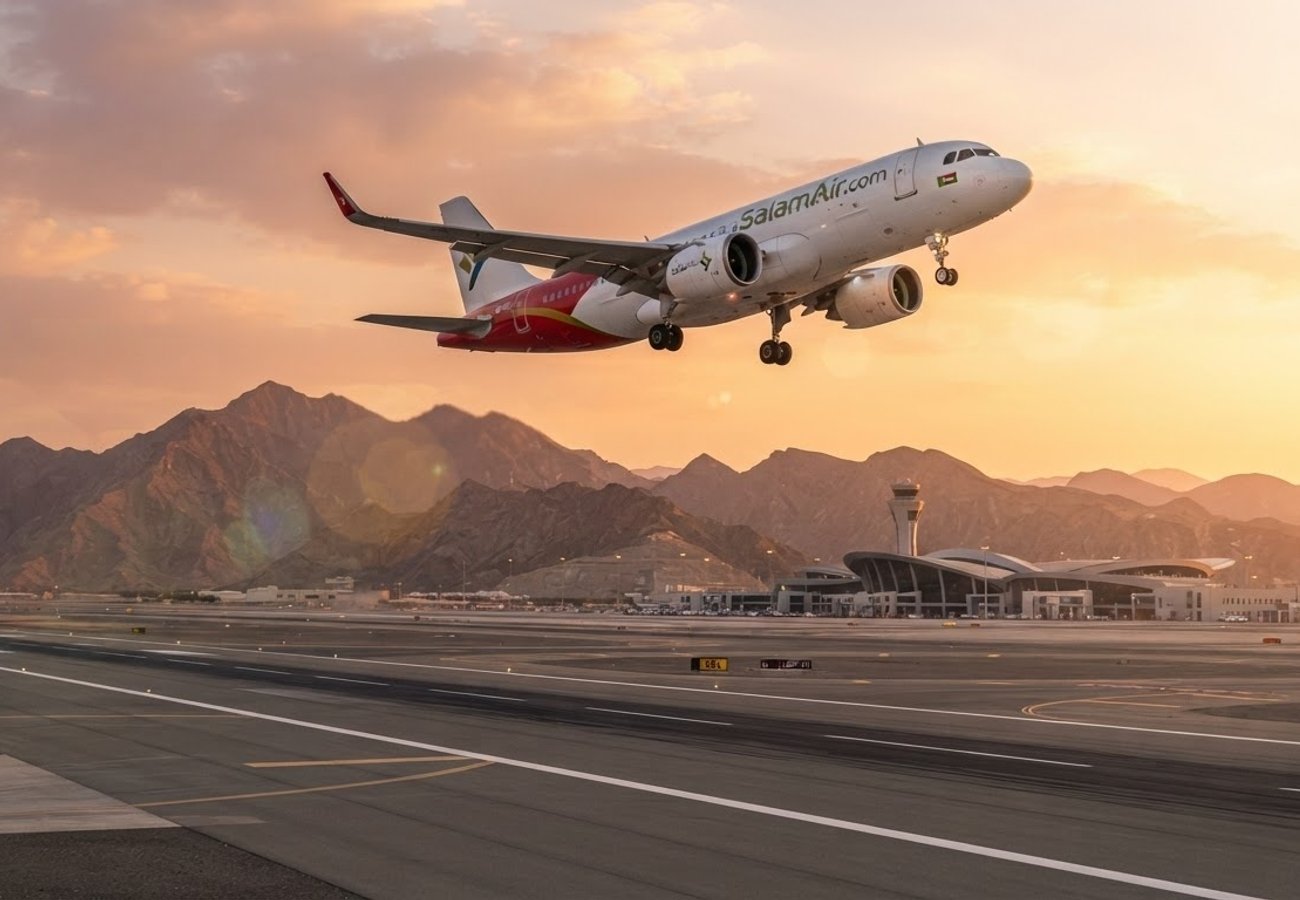
Image generated by AI
Starting October 25, 2026, SalamAir will establish the first-ever direct air connection between Muscat and Erbil. This twice-weekly service marks a significant shift in regional mobility, eliminating the need for indirect connections for travelers moving between Oman and the Kurdistan Region of Iraq.
Strategic Expansion of Oman-Iraq Connectivity
The introduction of the Muscat-Erbil route is a primary component of SalamAir's 2026 growth strategy. By establishing this link, the airline becomes a key facilitator for travel into northern Iraq, providing a streamlined alternative to traditional transit hubs.
This route represents the second Iraqi destination added to SalamAir's portfolio. The service is designed to cater to both the leisure market—targeting the historic Erbil Citadel and the natural landscapes of Kurdistan—and the business sector, where economic cooperation between Gulf nations and Iraq is intensifying.
Flight and Airport Impact Breakdown
Our analysis of the route deployment indicates the following operational details:
- Launch Date: October 25, 2026.
- Frequency: Twice-weekly direct flights.
- Primary Hubs: Muscat International Airport (MCT) and Erbil International Airport (EBL).
- Aircraft Deployment: The route will be serviced by SalamAir’s modern fleet of Airbus A320neo and A321neo aircraft.
- Network Integration: Erbil passengers will now have direct access to SalamAir’s broader international network via Muscat, facilitating onward travel to various Asian and Middle Eastern destinations.
Passenger Rights & Advisory
For passengers booking this new route, it is important to understand the regulatory environment governing low-cost carriers (LCCs) in this region.
Compensation and Rebooking Rights Since SalamAir operates under Omani aviation regulations, passengers should be aware that rights regarding delays and cancellations differ from EU261/2004 standards. For the affected passenger, this means:
- Flight Delays: In the event of a significant delay, passengers should immediately request a written statement of the cause. While LCCs often have stricter limits on complimentary hotel vouchers, Oman's aviation policies generally require airlines to provide basic care for extended disruptions.
- Rebooking: If a flight is cancelled, our analysis suggests that passengers are entitled to re-routing to their final destination at the earliest opportunity or a full refund of the unused ticket.
- Baggage Policies: As a low-cost model, SalamAir typically separates baggage fees from the base fare. Passengers are advised to verify their allowance during the booking process to avoid high airport check-in fees.
Travel Documentation Travelers between Oman and the Kurdistan Region must ensure all visa requirements for Iraq are met. We recommend verifying current entry permits via official diplomatic channels, as regulations for the Kurdistan Region can differ from those of federal Iraq.
Industry Analyst View
The launch of the Muscat-Erbil service signals a broader trend of "de-hubbing" in the Middle East. For years, travel between smaller regional capitals required transit through massive hubs like Dubai or Doha. By creating direct "point-to-point" links, SalamAir is challenging the dominance of mega-hubs and reducing travel time for the end-user.
Furthermore, the use of the A320neo and A321neo aircraft demonstrates a commitment to fuel efficiency and lower emissions per seat, which is essential for maintaining the low-cost fare structure that makes these new routes viable. This expansion positions Muscat International Airport not just as a destination, but as a competitive gateway connecting the Levant and Mesopotamia with the broader Asian market.
Direct connectivity is the catalyst for regional economic integration and tourism growth.
Related Travel Guides
Disclaimer
This article is for informational and educational purposes only. It does not constitute legal, financial, or professional advice. While we strive to provide accurate and up-to-date information, travel policies, regulations, and conditions change rapidly. Always verify information with official sources before making travel decisions. Nomad Lawyer makes no representations about the accuracy, reliability, completeness, or suitability of the information provided. Readers should consult qualified professionals for advice specific to their circumstances. The views expressed in this article are those of the author and do not necessarily reflect the views of Nomad Lawyer.
Raushan Kumar
Founder & Lead Developer
Full-stack developer with 11+ years of experience and a passionate traveller. Raushan built Nomad Lawyer from the ground up with a vision to create the best travel and law experience on the web.
Learn more about our team →