
Saint Lucia Tourism Analysis: 1.13 Million Arrivals in 2025 Signal Shift Toward Adventure Travel
With 1.13 million visitors in 2025, Saint Lucia is pivoting from passive beach tourism to a high-yield adventure model centered on volcanic geography and community-led experiences.

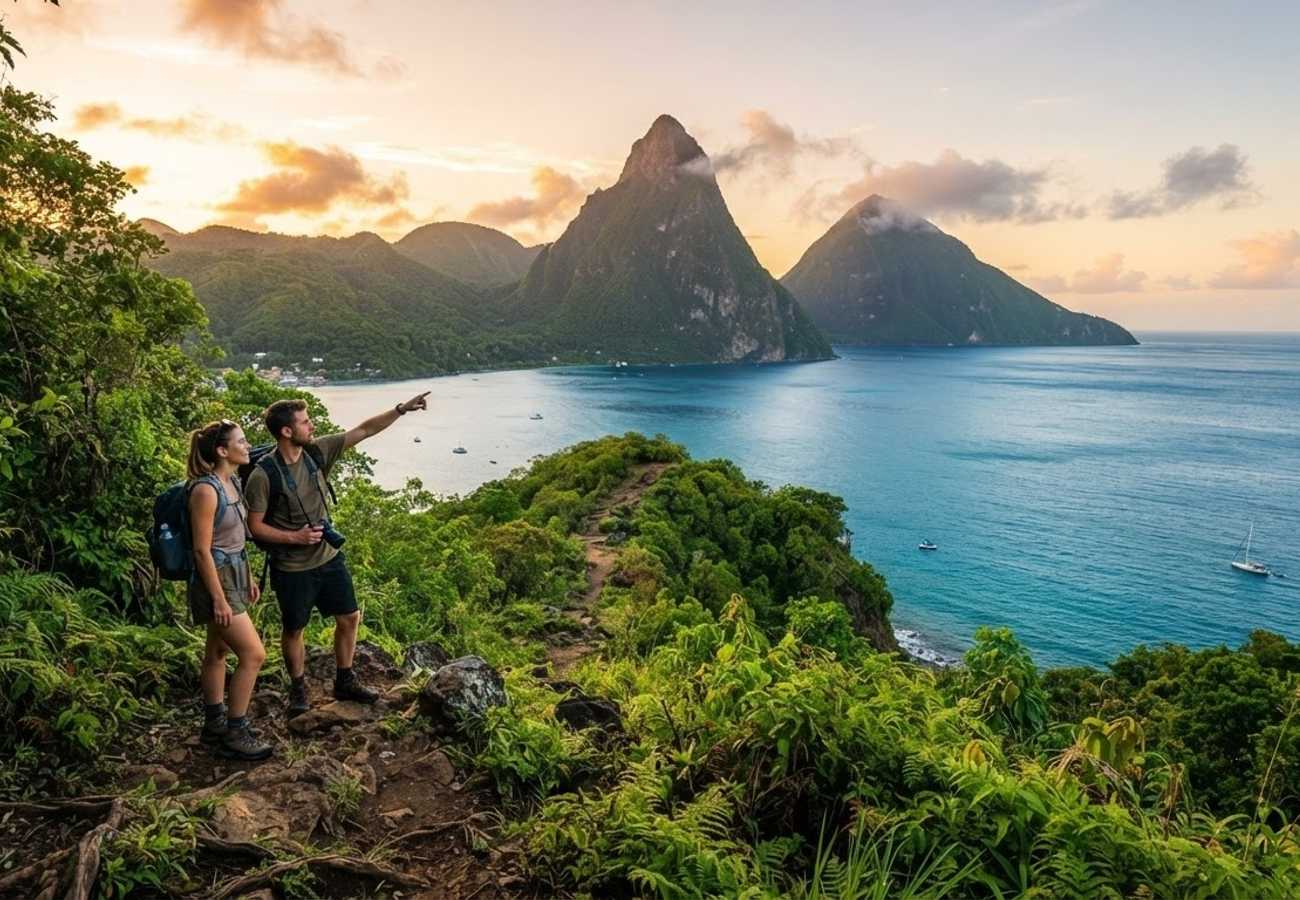
Image generated by AI
1.13 million visitor arrivals across stay-over, cruise, and yacht segments in 2025 mark a pivotal moment for Saint Lucia's tourism economy. This figure is not merely a metric of volume but a signal that the destination is successfully diversifying its appeal beyond the traditional "sun and sand" Caribbean archetype. By leveraging its unique volcanic topography and cultural assets, the island is transitioning toward a high-engagement model that encourages travelers to move beyond resort boundaries and inject capital directly into local communities.
The Diversification of the Caribbean Visitor Profile
The composition of Saint Lucia's tourist demographic reveals a strategic balance between high-volume cruise traffic and higher-spending overnight guests. According to data from the Central Statistical Office, the 2025 breakdown included 426,676 stay-over arrivals, 668,086 cruise passengers, and 41,349 yacht visitors. This tripartite structure allows the island to maintain a steady baseline of foot traffic via cruise ports while cultivating a more lucrative stay-over market.
The momentum has continued into 2026. In April alone, the island recorded 40,752 overnight visitors, representing an 8.5% increase compared to April 2025. This growth suggests a strengthening of airlift capacity and a rising demand for extended stays, which typically result in higher per-capita expenditure on local services, dining, and guided excursions.
| Visitor Segment (2025) | Arrival Count | Primary Economic Impact |
|---|---|---|
| Cruise Passengers | 668,086 | High volume, short-term retail spend |
| Stay-over Visitors | 426,676 | High duration, hotel and service revenue |
| Yacht Visitors | 41,349 | Niche luxury spend, marina fees |
| Total | 1,130,081 | Diversified Revenue Stream |
Volcanic Geography as an Economic Driver
The geographic anchor of the island's tourism strategy is the south-west coast, specifically the region around Soufrière. The Pitons—Gros Piton and Petit Piton—are more than just visual landmarks; they are UNESCO World Heritage assets that provide a competitive edge over flatter Caribbean islands.
The economic utility of this landscape is maximized through tiered activity levels. For the high-end adventure traveler, the guided ascent of Gros Piton offers a premium experience. For the casual tourist, the Tet Paul Nature Trail provides a low-barrier entry point to the same scenery. This tiered approach ensures that the natural landscape is monetized across different fitness levels and budgets.
Further inland, the "drive-in volcano" at Sulphur Springs serves as a primary conversion point for tourists. By offering mineral-rich mud baths and steaming vents, Saint Lucia transforms a geological anomaly into a commercial wellness product. This is complemented by the Diamond Falls Botanical Gardens, where mineral-induced water coloration creates a distinct "Instagrammable" asset that drives organic marketing via social media.
Expert Analysis: The Shift Toward Community-Centric Revenue
For travelers booking this route, the direct consequence of Saint Lucia's current trajectory is a move away from the "all-inclusive bubble." The island is actively promoting experiences that require visitors to engage with local infrastructure. The Friday night street party in Gros Islet is a prime example of this; it is not a curated resort show, but a genuine community event that distributes tourism dollars directly to local street vendors and musicians.
The pricing pressure this creates is a positive shift for the local economy. When tourists move from the controlled environment of a resort to the markets of Castries or the hills of Morne Fortune, the "leakage" of tourism revenue—where profits flow back to international hotel chains—is reduced. By emphasizing local culinary staples like green fig and saltfish or cocoa tea, the destination is integrating its agricultural sector into the tourism value chain.
However, the challenge for 2026 and beyond is scalability. To maintain the 8.5% growth rate seen in April's stay-over numbers, Saint Lucia must avoid the trap of over-tourism in Soufrière. The strategic pivot toward "community tourism" is not just a social goal but a logistical necessity to spread the physical load of 1.13 million visitors across the island's entire geography. Travelers should expect an increase in boutique, farm-to-table experiences and artisan-led tours as the government seeks to decentralize the economic benefits of travel.
Key Takeaways
- Volume Growth: 1.13 million total arrivals in 2025 demonstrate a robust recovery and expansion of the tourism sector.
- Overnight Surge: A 8.5% year-over-year increase in April 2026 stay-over arrivals indicates a shift toward longer, more profitable visits.
- Geographic Assets: The Pitons and Sulphur Springs are the primary drivers of non-beach tourism, shifting the island's identity toward "adventure and wellness."
- Economic Decentralization: Efforts are increasing to push spending toward local vendors in Gros Islet and Castries to reduce resort-based revenue leakage.
- Visitor Mix: The balance of 668,086 cruise passengers against 426,676 stay-overs creates a dual-speed economy of high-volume and high-value tourism.
FAQ: Saint Lucia Travel 2026
What is the best time to visit Saint Lucia for adventure activities? While the island is a year-round destination, the peak for hiking the Pitons and visiting Sulphur Springs is during the drier months. However, the growth in stay-over arrivals in April suggests a strong spring window for visiting.
Is Saint Lucia only for beach holidays? No. With the Saint Lucia Tourism Authority promoting volcanic hikes, rainforest trails, and mud baths, the island has pivoted toward a "wild Caribbean" experience that emphasizes nature and adventure over passive lounging.
How can visitors support the local economy instead of staying in resorts? Visitors can attend the Gros Islet Friday night street party, shop at local markets in Castries, and hire community-based guides for the Tet Paul Nature Trail or the Pitons.
What are the most authentic local foods to try? Travelers should seek out traditional dishes such as green fig and saltfish, breadfruit, callaloo, and local cocoa tea, often available at street stalls and small family-run eateries.
The Caribbean is no longer just a place to disappear; in Saint Lucia, it is a place to discover.
Related Travel Guides
Disclaimer
This article is for informational and educational purposes only. It does not constitute legal, financial, or professional advice. While we strive to provide accurate and up-to-date information, travel policies, regulations, and conditions change rapidly. Always verify information with official sources before making travel decisions. Nomad Lawyer makes no representations about the accuracy, reliability, completeness, or suitability of the information provided. Readers should consult qualified professionals for advice specific to their circumstances. The views expressed in this article are those of the author and do not necessarily reflect the views of Nomad Lawyer.
Raushan Kumar
Founder & Lead Developer
Full-stack developer with 11+ years of experience and a passionate traveller. Raushan built Nomad Lawyer from the ground up with a vision to create the best travel and law experience on the web.
Learn more about our team →