
Dark-Sky Tourism: Three Premier US Stargazing Sanctuaries
Dark-sky tourism is growing across the US, led by Gold-Tier sanctuaries like Death Valley, Mauna Kea, and Cherry Springs State Park.

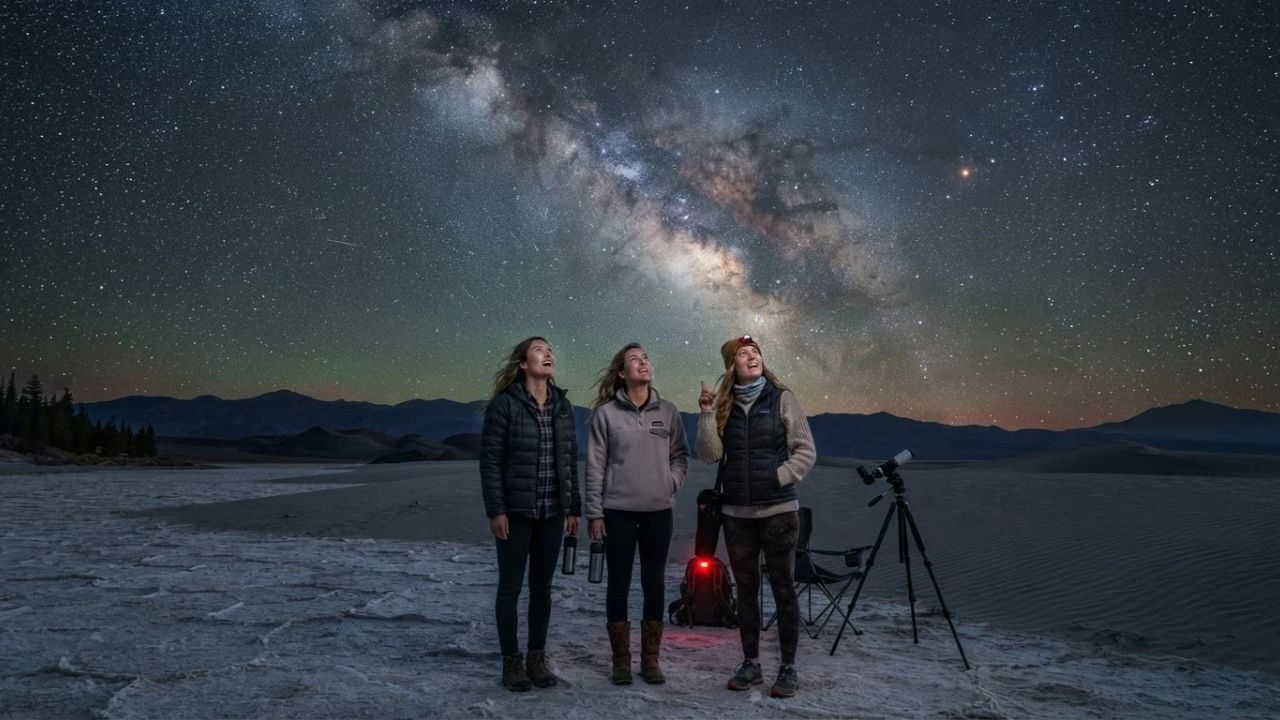
Image generated by AI
Dark-sky tourism is growing across the US, led by Gold-Tier sanctuaries like Death Valley, Mauna Kea, and Cherry Springs State Park. Stargazing demand has surged as urban light pollution now conceals the Milky Way from more than 80 percent of North Americans.
The Rise of Nocturnal Wilderness Travel
A major trend in ecotourism is the growth of dark-sky travel, where visitors plan trips around astronomical events, stargazing sessions, and night-sky photography. Historically, national parks and wilderness preserves were promoted primarily for daytime hiking, wildlife viewing, and camping. In 2026, conservation bodies and destination boards establish lighting guidelines to preserve natural darkness, marketing pristine night skies as cultural and ecological assets.
By restricting artificial light and setting up dedicated observation fields, parks attract amateur astronomers, astrophotographers, and travelers seeking quiet nature encounters. This nocturnal travel model supports rural hospitality providers, campgrounds, and local guides, distributing tourism revenue across night and shoulder-season hours.
Three Flagship American Stargazing Destinations
The US features three distinct stargazing sanctuaries, each offering unique atmospheric conditions:
- Death Valley National Park (California-Nevada): Spans 3.4 million acres and is designated a Gold-Tier International Dark Sky Park by DarkSky International. Its deep basin drops to 282 feet below sea level, surrounded by mountains that block the light pollution of Las Vegas and Los Angeles.
- Mauna Kea (Hawaii's Big Island): Rises 13,796 feet (4,205 meters) above the ocean, extending above roughly 40 percent of Earth's atmosphere. The summit houses 13 massive international observatories, benefiting from dry, stable marine air that limits thermal shimmering.
- Cherry Springs State Park (Pennsylvania): A Gold-Level Dark Sky Park certified by DarkSky International, situated atop a 2,300-foot plateau in the 262,000-acre Susquehannock State Forest in Potter County. It is the darkest stargazing spot on the US East Coast.
These sanctuaries provide clear viewing corridors for stargazers tracking astronomical cycles.
Key Local Attractions and Regional Settings
Each destination combines night-sky viewing with daytime outdoor attractions:
- Death Valley Landmarks: Features the geometric salt flats of Badwater Basin, elevated panoramas at Zabriskie Point, the Mesquite Flat Sand Dunes, and the mineral colors of Artist's Palette.
- Mauna Kea Infrastructure: Features a Visitor Information Station at the 9,200-foot level (2,800 meters). Nearby sights include Hilo, Rainbow Falls, and Akaka Falls State Park.
- Cherry Springs Facilities: Features an Astronomy Observation Field with concrete telescope pads, power outlets, and light-suppression rules. Nearby sights include Pine Creek Gorge ("Grand Canyon of Pennsylvania"), the 595-acre Lyman Run State Park, and historic Coudersport.
These features allow travelers to combine daytime hiking with night-sky observations.
US Stargazing Destination Coordinates
The table below breaks down the dark-sky parks, elevations, certifications, gateway airports, optimal seasons, and primary managing bodies:
| Stargazing Sanctuary | Elevation Range | Dark Sky Certification | Gateway Airport Links | Optimal Viewing Season | Primary Managing Body |
|---|---|---|---|---|---|
| Death Valley National Park | -282 ft to 11,049 ft | Gold-Tier International Park | Las Vegas (LAS; 2 hours away) | November – April (18°C to 25°C) | National Park Service |
| Mauna Kea Summit | 9,200 ft to 13,796 ft | Scientific Observatory Zone | Kona (KOA) / Hilo (ITO) | Year-round (acclimate 1 hour) | Mauna Kea Observatories |
| Cherry Springs Park | 2,300-foot plateau | Gold-Level Dark Sky Park | Elmira (ELM) / Williamsport (IPT) | April – October (New Moon) | Pennsylvania DCNR |
These coordinates outline the parks, elevations, dark-sky classes, airports, seasons, and agencies established for stargazing travel.
Environmental Value and Light-Suppression Rules
For the traveler, the benefit of choosing certified dark-sky parks is the opportunity to experience unpolluted night skies while supporting local lighting ordinances that protect nocturnal wildlife. Following strict red-light rules in observation fields helps preserve night vision and protects local ecosystems from artificial light.
Additionally, booking campsites inside the parks or staying at historic lodges (such as The Oasis at Death Valley or accommodations in Coudersport) supports regional resource stewardship. Following park rules ensures that future generations can experience clear night views.
For comparison, you can explore the changing dynamics of Stimulus Launch: Taiwan Unveils Billion-Dollar Repeat Visitor Rewards to see how destinations promote visitor spend. For transit updates, comparing travel scheduling matches other networks, such as Transit Logistics: Canada Announces September 8 Retaliatory Tariffs updates. This trend is similar to the tourism growth seen in other destinations, as detailed in our guide on how Utica, New York Emerges as an Affordable Northeast Tourism Hub.
Visitor Insider Tips: Navigating Dark-Sky Sanctuaries
If you are planning a stargazing trip to these parks, keep these practical tips in mind:
- Plan Around the New Moon: Schedule your trip during the three days before or after a New Moon to ensure the darkest skies.
- Cover Flashlights with Red Filters: Bring red cellophane or red LED lights; white lights are strictly prohibited on the Cherry Springs observation field.
- Acclimate at Mauna Kea Station: Spend at least one hour at the 9,200-foot Visitor Information Station to adjust to the high altitude before ascending the summit.
- Pack Heavy Winter Parkas: Temperatures at the Mauna Kea summit and Cherry Springs plateau drop rapidly after dark; carry thermal layers year-round.
- Travel to Death Valley in Winter: Visit between November and April to enjoy comfortable daytime temperatures and clear winter constellations.
Long-Term Outlook for Astronomical Tourism
The long-term outlook for transit in dark-sky parks is focused on deploying low-impact electric vehicles, expanding astronomy education centers, and upgrading public telescope facilities. As light pollution continues to increase globally, environmental agencies and local communities will cooperate to protect remaining dark-sky corridors.
By enforcing strict lighting ordinances and supporting community science, the travel sector aims to build a sustainable destination network.
FAQ
Why is dark-sky tourism growing in the United States?
Growing light pollution now blocks the Milky Way from over 80 percent of North Americans, driving demand for travel to protected dark-sky parks.
What are the peak seasons for Death Valley stargazing?
The optimal season runs from November to April, avoiding the extreme, high-risk heat of the summer months.
Do I need a special vehicle to visit Mauna Kea?
Reaching the summit beyond the Visitor Information Station requires a four-wheel-drive vehicle equipped with low range for engine braking on steep gravel roads.
What are the lighting rules at Cherry Springs State Park?
The park strictly enforces red-light-only rules after dark; all white flashlights, phone screens, and car lights must be fully covered with red filters.
Stay updated on the regional travel regulations and dark-sky alerts shaping US outdoor tourism.
Related Travel Guides
Disclaimer
This article is for informational and educational purposes only. It does not constitute legal, financial, or professional advice. While we strive to provide accurate and up-to-date information, travel policies, regulations, and conditions change rapidly. Always verify information with official sources before making travel decisions. Nomad Lawyer makes no representations about the accuracy, reliability, completeness, or suitability of the information provided. Readers should consult qualified professionals for advice specific to their circumstances. The views expressed in this article are those of the author and do not necessarily reflect the views of Nomad Lawyer.
Raushan Kumar
Founder & Lead Developer
Full-stack developer with 11+ years of experience and a passionate traveller. Raushan built Nomad Lawyer from the ground up with a vision to create the best travel and law experience on the web.
Learn more about our team →