
Russia Missile Strike on Odesa Port Kills International Crew and Disrupts Black Sea Maritime Security 2026
A deadly Russian missile strike on a Guinea-Bissau-flagged vessel in Odesa has killed 10 crew members, including Indian nationals, triggering a maritime security crisis across Black Sea shipping routes.

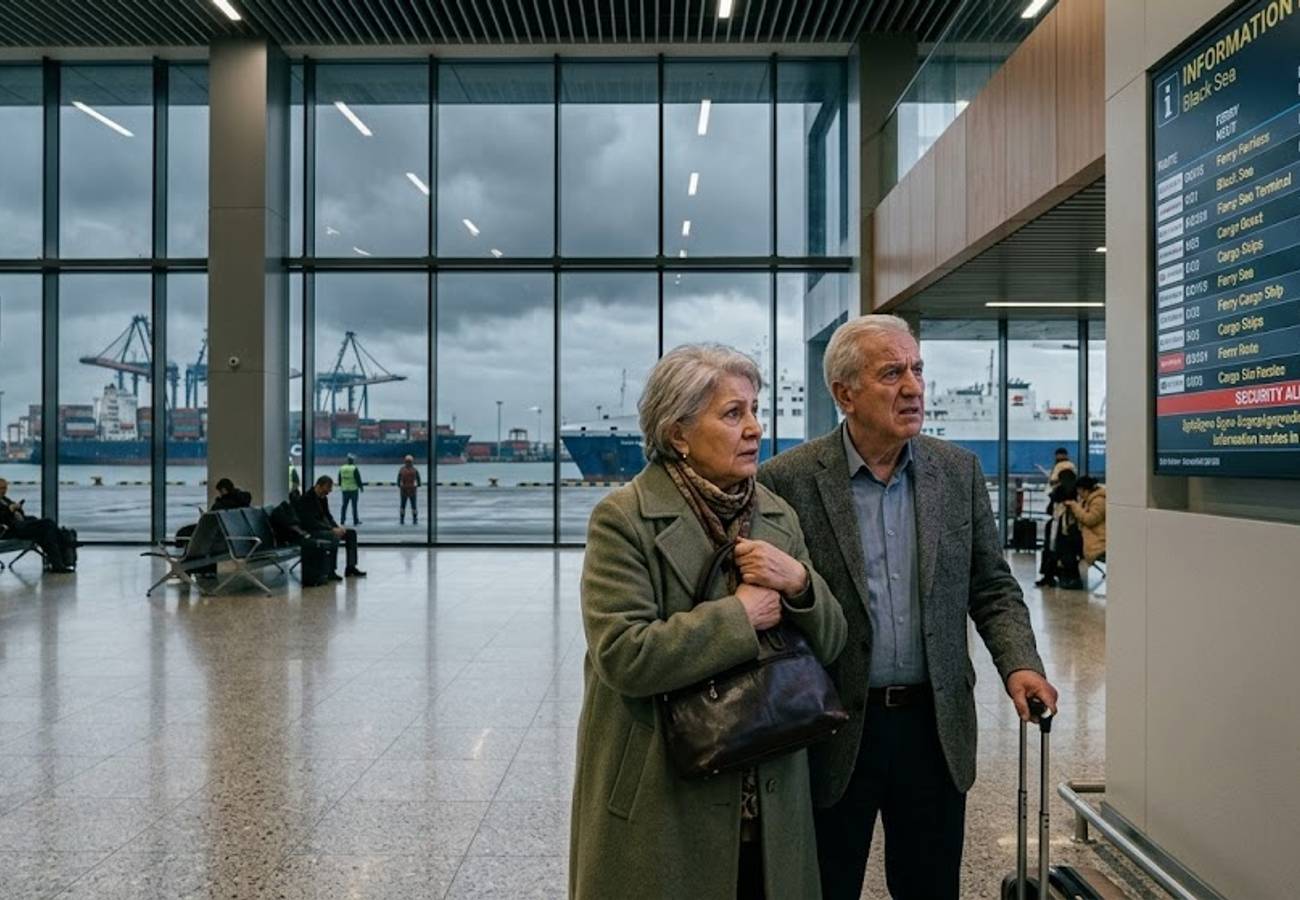
Image generated by AI
A Russian missile attack on the Odesa Port on July 20, 2026, has resulted in the deaths of 10 crew members, including international nationals and a Ukrainian maritime pilot. The strike targeted a commercial grain ship, escalating security risks for all maritime transit in the Black Sea.
The Disruption Details
The incident occurred when a missile struck a Guinea-Bissau-flagged cargo vessel transporting Ukrainian corn near the port of Odesa. This attack marks a significant escalation in the targeting of commercial maritime infrastructure, directly impacting the safety of international seafarers and the viability of grain export corridors.
The casualties include crew members from India and Syria, highlighting the multinational nature of the shipping workforce and the global reach of the regional conflict. While the attack was localized to a vessel, the resulting security vacuum has created a "travel shock" for maritime operators and coastal tourism planners.
Flight & Airport Impact Breakdown
Our analysis of current aviation data indicates that this specific event is a maritime security crisis rather than an aviation disruption.
- Airlines Affected: None reported.
- Airport Disruptions: No flight cancellations or airport closures linked to this attack.
- Primary Transport Sector: Commercial shipping and maritime logistics.
- Affected Hubs: Odesa Port and surrounding Black Sea coastal corridors.
Passenger Rights & Advisory (Information Gain)
While no flights are cancelled, travelers utilizing cruise lines, ferries, or commercial shipping in the Black Sea region must be aware of their rights and the potential for sudden itinerary changes.
Maritime Contract Rights Under most international maritime contracts, operators may invoke "Force Majeure" due to war or hostilities. This allows carriers to cancel voyages or divert ships without providing full refunds, though they are typically required to offer a credit or a partial refund.
Insurance and Compensation
- War Risk Insurance: Standard travel insurance often excludes "acts of war." Passengers should verify if their policy includes a specific "War Risk" or "Political Evacuation" rider.
- Duty of Care: For crew members and contracted maritime staff, the International Maritime Organization (IMO) guidelines emphasize the right to a safe working environment and repatriation in the event of conflict escalation.
Actionable Guidance for Travelers
- Route Verification: Monitor official maritime advisories if traveling via coastal Romania, Bulgaria, Turkey, or Georgia.
- Documentation: Keep digital copies of all passports and visas, as port restrictions can lead to sudden changes in disembarkation points.
- Flexibility: Avoid booking non-refundable coastal leisure activities in the immediate vicinity of Odesa.
Industry Analyst View
The strike on a Guinea-Bissau-flagged vessel underscores a critical vulnerability in global shipping: the disconnect between a ship's registration (flag state), its ownership, and the nationality of its crew. This "fragmented liability" makes the legal aftermath of such attacks complex for insurance underwriters and national governments.
From an operational perspective, the Black Sea is a vital artery for global food security. The targeting of grain ships increases "War Risk" insurance premiums, which inevitably leads to higher transportation costs for consumers globally. For the tourism sector, this volatility prevents the recovery of Odesa as a cruise destination, as passenger confidence cannot be restored without a guaranteed maritime security corridor.
Maritime security remains the primary volatility factor for Black Sea transit in 2026.
Related Travel Guides
Disclaimer
This article is for informational and educational purposes only. It does not constitute legal, financial, or professional advice. While we strive to provide accurate and up-to-date information, travel policies, regulations, and conditions change rapidly. Always verify information with official sources before making travel decisions. Nomad Lawyer makes no representations about the accuracy, reliability, completeness, or suitability of the information provided. Readers should consult qualified professionals for advice specific to their circumstances. The views expressed in this article are those of the author and do not necessarily reflect the views of Nomad Lawyer.
Preeti Gunjan
Contributor & Community Manager
A passionate traveller and community builder. Preeti helps grow the Nomad Lawyer community, fostering engagement and bringing the reader experience to life.
Learn more about our team →