
Atlanta Flight Disruptions Ripple Across US Routes in April 2026
Atlanta flight disruptions surge with 186 delays and 24 cancellations spreading across major US routes in April 2026. Hub chaos cascades to Miami, Philadelphia, and Fort Lauderdale, affecting thousands during Easter travel season.

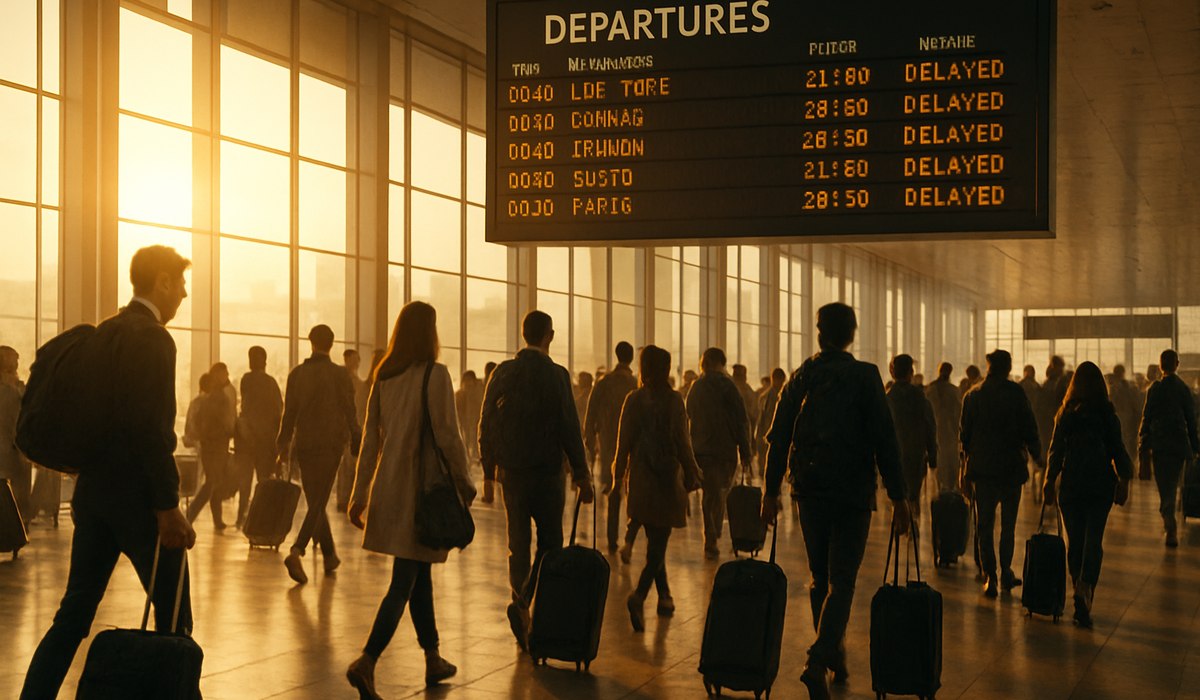
Image generated by AI
Breaking News: Atlanta Hub Disruptions Cascade Across US Network
Hartsfield-Jackson Atlanta International Airport is experiencing significant operational strain, with 186 delayed flights and 24 cancellations radiating disruptions across the entire US airline network. The turmoil, recorded during peak Easter travel, is propagating outward from Atlanta's central hub position to major routes serving Miami, Fort Lauderdale, Philadelphia, and beyond. Thousands of passengers face cascading delays and missed connections as aircraft and crew rotations break down, demonstrating why hub disruptions have outsized effects across American aviation.
Atlanta Hub Disruption Spreads Across US Routes
The scale of atlanta flight disruptions at Hartsfield-Jackson underscores a fundamental vulnerability in modern airline networks. As North America's busiest airport by passenger volume, Atlanta serves as the primary connection point for Delta Air Lines' domestic and international operations, plus major bases for Spirit Airlines and Frontier Airlines. When departure and arrival banks experience delays simultaneously, aircraft fail to complete their scheduled rotations on time. This cascading effect means a plane stuck on the tarmac in Atlanta cannot depart for its next destination, creating a domino effect that ripples through the entire network.
Real-time tracking via FlightAware confirms that 186 delayed flights and 24 cancellations represent only the immediate disruption. Secondary effects appear across hubs like Miami International Airport, which recorded nearly 200 delays in a single day, and Philadelphia International Airport, which reported multiple cancellations tied to Atlanta-connected routes. Passengers booked through Atlanta face extended waits, missed connections, and potential rebooking complications. The disruption illustrates why seasonal travel peaks create dangerous operational conditions when scheduling leaves minimal recovery capacity.
Why Hub Delays Have Cascading Effects on National Operations
Hub-and-spoke airline networks create efficiency at the cost of resilience. When Hartsfield-Jackson experiences disruptions, the effect amplifies because most aircraft and crews operate multiple flights daily through the hub. A single-hour delay in the morning departure bank prevents that aircraft from reaching its afternoon destination on schedule, which then delays its evening rotation, which delays the next morning's operation. This temporal cascade compounds across the network within hours.
Spirit Airlines and Frontier Airlines face particularly acute vulnerability because their lean operational models minimize spare aircraft and crew reserves. When irregular operations (industry terminology for unscheduled disruptions) prevent planes from completing planned rotations, these carriers lack flexible repositioning options. Delta Air Lines, despite larger reserves, still experiences cascading delays because its Atlanta hub concentrates so much traffic that even partial disruption affects hundreds of flights. Airlines with diversified hub structures—like American Airlines (Dallas) or United Airlines (Chicago/Houston)—experience less systemic pressure when individual hubs falter, but Atlanta's dominance means disruptions there have nationwide consequences.
The FAA manages airspace around Atlanta as one of the nation's most congested zones, meaning weather delays or ground holds cascade quickly. Recent data shows that spring weather patterns, combined with heavy Easter travel volumes, create conditions where airports have zero slack for recovery. When departure delays exceed 30 minutes, the scheduled arrival time often shifts by 60+ minutes due to en route congestion and ground holding patterns.
Weather, Staffing, and Spring Travel Compound Operational Strain
Multiple factors converge to create the current disruption environment. Spring weather systems along the East Coast generate convective activity that impacts both Atlanta and connecting airports like Philadelphia. These weather delays interact dangerously with peak Easter travel demand, when passenger volumes exceed normal capacity by 15-20 percent. Airlines operating at maximum utilization cannot absorb weather delays without cascading cancellations.
Staffing constraints amplify the problem. Pilot and flight attendant fatigue regulations, combined with crew scheduling complexities, mean that irregular operations quickly exhaust available crew reserves. When aircraft arrive two hours late, the crew scheduling system faces impossible mathematics: the aircraft is late reaching its next airport, the crew exceeds duty-time limits, and no backup crew exists to operate the next flight. This staffing pinch explains why 24 cancellations accompany 186 delays—airlines eventually cancel flights rather than operate them illegally or strand crews in unsuitable conditions.
Spring travel demand creates additional pressure. Easter travel (spanning late March through mid-April) generates some of the year's highest passenger volumes. Every flight operates at high capacity factors, meaning each cancellation displaces 150+ passengers with limited rebooking alternatives. Fort Lauderdale and Miami airports, which feed Miami International's extensive international operations, experience particularly acute pressure because Florida tourism peaks during spring break and Easter periods.
What Atlanta Flight Disruptions Mean for Routes Through Major Hubs
The affected route network extends across multiple regions with varying impact severity. Atlanta flight disruptions hit hardest on routes where Atlanta serves as either the origin airport, final destination, or connection point. Miami-Atlanta service, historically reliable, now faces consistent delays. Philadelphia-Atlanta routes show elevated cancellation rates. Fort Lauderdale-Atlanta connections experience cascading delays as inbound aircraft arrive hours late, preventing on-time departures.
Nomadic professionals and frequent travelers should understand that airline-specific impacts matter less than the underlying hub dynamics. A passenger ticketed on Delta from Philadelphia to Miami connecting through Atlanta faces similar risk regardless of whether the delay originates from weather, staffing, or mechanical issues. The hub disruption affects the entire network equally, with carriers operating through Atlanta all experiencing degraded performance.
Traveler Action Checklist
Follow these steps if your upcoming travel involves Atlanta connections:
-
Check real-time status daily via FlightAware or airline apps starting 5-7 days before travel, monitoring both your flight and the aircraft's recent history.
-
Identify alternative routing immediately by searching for connecting flights through Dallas (American), Chicago (United), or direct flights that bypass Atlanta entirely.
-
Book additional buffer time by arriving 4-5 hours early for international connections and 2-3 hours for domestic connections through Atlanta.
-
Document delays and cancellations by photographing boarding passes, delay notices, and communication attempts for compensation documentation.
-
File for compensation within the 12-month window via US DOT if entitled to rebooking or compensation per DOT rules.
-
Understand airline-specific policies by checking Spirit, Frontier, or Delta rebooking policies on official websites before travel disruption occurs.
-
Contact your airline proactively 72 hours before travel if predicting disruption based on real-time delay patterns and crew scheduling visibility.
Key Data: Atlanta Disruption Impact (April 2026)
| Metric | Count/Impact | Status |
|---|---|---|
| Hartsfield-Jackson Delayed Flights | 186 | Ongoing |
| Hartsfield-Jackson Cancellations | 24 | Ongoing |
| Miami Airport Related Delays | ~200 | High |
| Fort Lauderdale Connections Affected | 100+ | Elevated |
| Philadelphia Route Cancellations | 15+ | Moderate |
| Airlines Most Impacted | Delta, Spirit, Frontier | Critical |
| Primary Cause | Weather + Staffing + Volume | Confirmed |
| Expected Duration | 5-7 additional days | Forecast |
What This Means for Travelers
Atlanta flight disruptions create cascading risks across your entire itinerary, not just the Atlanta segment. The hub's central position in the US airline network means disruptions there propagate to Miami connections, Philadelphia service, and Fort Lauderdale operations within hours. For nomadic professionals relying on predictable flight schedules, Atlanta routing presents elevated risk during
Disclaimer
This article is for informational and educational purposes only. It does not constitute legal, financial, or professional advice. While we strive to provide accurate and up-to-date information, travel policies, regulations, and conditions change rapidly. Always verify information with official sources before making travel decisions. Nomad Lawyer makes no representations about the accuracy, reliability, completeness, or suitability of the information provided. Readers should consult qualified professionals for advice specific to their circumstances. The views expressed in this article are those of the author and do not necessarily reflect the views of Nomad Lawyer.
Preeti Gunjan
Contributor & Community Manager
A passionate traveller and community builder. Preeti helps grow the Nomad Lawyer community, fostering engagement and bringing the reader experience to life.
Learn more about our team →