
Royal Caribbean Utopia of the Seas Faces 12-Hour Mechanical Delay at Port Canaveral Affecting 6,788 Guests in 2026
A mechanical failure on Royal Caribbean's Utopia of the Seas caused a 12-hour departure delay at Port Canaveral, forcing itinerary reversals and scheduling shifts for multiple vessels.

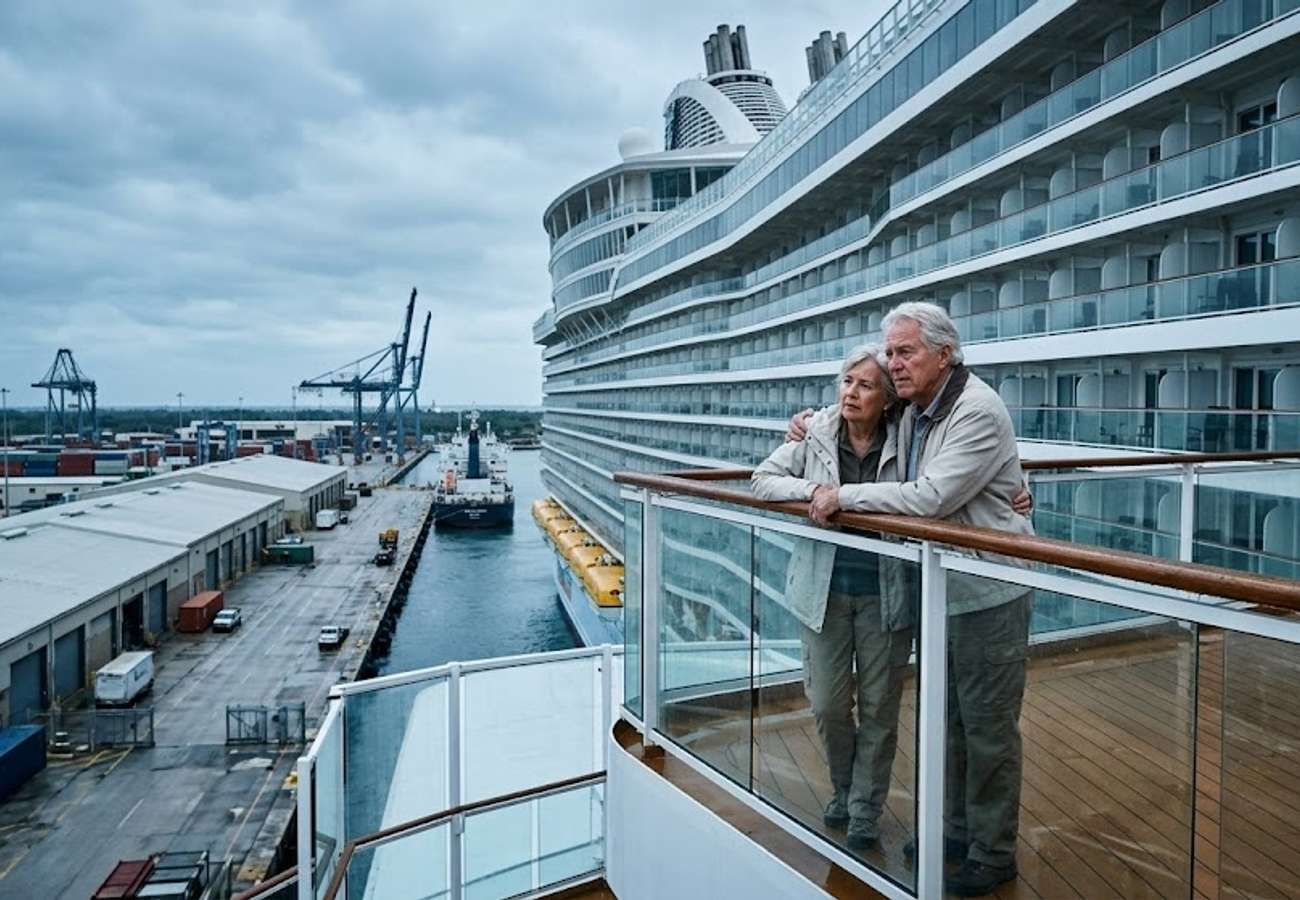
Image generated by AI
A mechanical malfunction on the Utopia of the Seas resulted in a 12-hour departure delay at Port Canaveral, necessitating a total itinerary overhaul for thousands of passengers.
The disruption occurred during a scheduled 4-day excursion to Perfect Day at CocoCay and Nassau, Bahamas. Due to the ship's high capacity and short-turnaround nature, the delay created a cascading operational effect across the cruise line's fleet.
The Disruption Details
The Utopia of the Seas, a vessel of 236,860 gross tons with a maximum capacity of 6,788 guests, was scheduled to depart Port Canaveral at 3:00 PM EST. Following boarding, the captain announced an initial delay to 6:00 PM EST, which was subsequently pushed back multiple times as engineers addressed an undisclosed mechanical issue.
The vessel remained docked throughout the evening, eventually departing at 2:50 AM EST on Tuesday. This 12-hour delay prevented the ship from meeting its original 7:00 AM EST arrival time at its first destination.
Flight & Port Impact Breakdown
- Primary Vessel: Utopia of the Seas (Capacity: 6,788 guests).
- Departure Point: Port Canaveral.
- Total Delay Duration: 12 hours.
- Original Departure: 3:00 PM EST.
- Actual Departure: 2:50 AM EST (Tuesday).
- Itinerary Changes: Tuesday was converted to a full at-sea day; the sequence of stops was reversed to ensure guests did not miss Perfect Day at CocoCay.
- Secondary Impact: The Wonder of the Seas itinerary was modified to accommodate the scheduling shift caused by the Utopia's delay.
Passenger Rights & Advisory (Information Gain)
When a cruise departure is delayed due to mechanical failure, passengers have specific rights and recourse options, though these vary by jurisdiction and the cruise contract (the "Ticket Contract").
1. Onboard Care and Amenities Under standard industry practice, if passengers are already boarded, the cruise line is responsible for providing food, beverage, and entertainment. In this instance, Royal Caribbean maintained full access to onboard amenities during the dock stay.
2. Itinerary Changes and Compensation Cruise lines generally reserve the right to change itineraries for safety or mechanical reasons. However, if a significant portion of the trip is missed (e.g., a missed port of call), passengers may be entitled to:
- Pro-rated Refunds: A partial refund of the cruise fare for the missed day or port.
- Future Cruise Credits (FCC): Vouchers for use on future sailings, often offered as a gesture of goodwill.
- Onboard Credit (OBC): Credits applied to the ship's account for spending on excursions or drinks.
3. Third-Party Travel Insurance Passengers who purchased comprehensive travel insurance should document the delay. If the delay caused missed pre-cruise hotel stays or post-cruise flights, "Trip Delay" or "Trip Interruption" coverage may apply.
4. Legal Frameworks While EU261/2004 applies to aviation, the Athens Convention governs the carriage of passengers and their luggage by sea. Passengers should review the "Conditions of Carriage" in their booking documents to identify the specific governing law for their sailing.
Industry Analyst View
The Utopia of the Seas is designed for high-frequency, short-duration "weekend" cruises. In this operational model, there is virtually zero margin for error. A 12-hour delay on a 3- or 4-day itinerary represents a loss of 25% to 33% of the total voyage time.
The "domino effect" observed with the Wonder of the Seas highlights the fragility of port slot management at major hubs like Port Canaveral. When one mega-ship misses its window, it forces a reallocation of resources and docking times for other vessels in the fleet. This incident underscores the risk associated with maximizing vessel capacity (6,788 guests) on tight schedules, as any technical failure is magnified by the sheer volume of affected passengers.
Operational agility remains the only defense against the logistical volatility of mega-cruise scheduling.
Related Travel Guides
Disclaimer
This article is for informational and educational purposes only. It does not constitute legal, financial, or professional advice. While we strive to provide accurate and up-to-date information, travel policies, regulations, and conditions change rapidly. Always verify information with official sources before making travel decisions. Nomad Lawyer makes no representations about the accuracy, reliability, completeness, or suitability of the information provided. Readers should consult qualified professionals for advice specific to their circumstances. The views expressed in this article are those of the author and do not necessarily reflect the views of Nomad Lawyer.
Preeti Gunjan
Contributor & Community Manager
A passionate traveller and community builder. Preeti helps grow the Nomad Lawyer community, fostering engagement and bringing the reader experience to life.
Learn more about our team →