
Mexico Peru Italy and Egypt Lead Global Efforts to Protect UNESCO Archaeological Heritage Sites in 2026
Mexico, Peru, Italy, and Egypt are spearheading international conservation strategies to safeguard UNESCO archaeological heritage sites against climate change and tourism pressure.

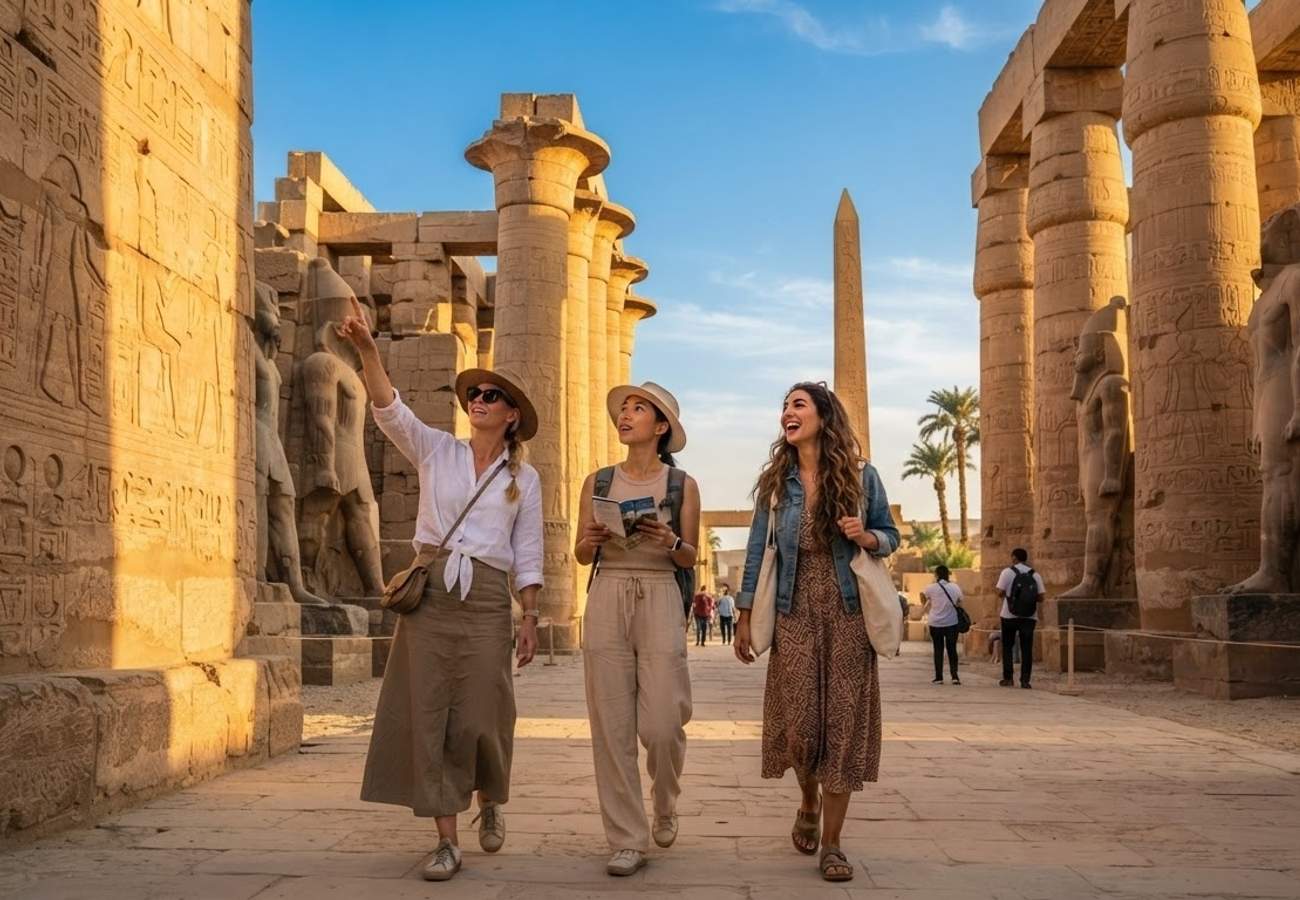
Image generated by AI
[Mexico City, July 8, 2026] — A coalition of nations including Mexico, Peru, Chile, Italy, Egypt, and Greece is intensifying efforts to safeguard global archaeological UNESCO heritage sites. These initiatives aim to protect the remnants of humanity's most significant civilizations through aggressive conservation programs and modernized protection strategies.
The preservation of these ancient wonders serves as a vital link between prehistoric innovation and contemporary society. By implementing strict visitor management and advanced restoration projects, these countries are ensuring that sacred landscapes, ancient temples, and urban ruins remain intact for future study and visitation.
International Cooperation in Heritage Conservation
The scale of the challenge facing global heritage is immense. From the Maya urban centers in Mexico to the Roman ruins of Italy and the pyramids of Egypt, these sites are under constant threat. Industry reports indicate that the intersection of climate change, urban sprawl, and pollution is accelerating the decay of fragile archaeological materials.
To counter these threats, governments are shifting toward scientific monitoring and digital documentation. This transition allows researchers to create precise virtual replicas of sites, ensuring that the historical record is preserved even if the physical structure suffers environmental damage. Furthermore, international cooperation has become the primary vehicle for funding and technical expertise, as many of these sites are recognized not as national assets, but as treasures belonging to all of humanity.
Balancing Modern Tourism with Site Integrity
Archaeological destinations continue to be primary drivers for global travel, attracting millions of visitors annually. While this boosts local economies, the physical pressure of foot traffic can be devastating to ancient stone and earthworks.
In response, several nations are adopting sustainable tourism frameworks. This includes the implementation of timed entry slots, restricted access zones, and the use of elevated walkways to prevent soil compaction and erosion. By managing the flow of people, authorities in countries like Peru and Greece are attempting to maintain the equilibrium between economic gain and historical preservation.
Global Inventory of UNESCO Archaeological Properties
The following data outlines key archaeological sites currently under international protection and their specific historical significance.
| No. | Archaeological Site / UNESCO Heritage Site | Country / Region | Civilisation / Period | UNESCO Inscription Year | Archaeological Importance | Major Highlights | UNESCO Criteria |
|---|---|---|---|---|---|---|---|
| 1 | Machu Picchu | Peru, South America | Inca Empire (15th century CE) | 1983 | One of the greatest surviving examples of Inca engineering and urban planning | Mountain citadel, terraces, temples, astronomical structures | (i), (iii), (vii), (ix) |
| 2 | Petra | Jordan, Middle East | Nabataean Kingdom (4th century BCE–1st century CE) | 1985 | Ancient trading city carved into sandstone cliffs | Treasury, rock-cut tombs, temples, water management system | (i), (iii), (iv) |
| 3 | Angkor | Cambodia, Southeast Asia | Khmer Empire (9th–15th centuries) | 1992 | Largest religious monument complex in the world | Angkor Wat, Bayon temples, reservoirs, royal city | (i), (ii), (iii), (iv) |
| 4 | Pyramids of Giza | Egypt, Africa | Ancient Egypt (Old Kingdom, c. 2600 BCE) | 1979 | Outstanding achievement of ancient engineering and architecture | Great Pyramid, Sphinx, royal burial complexes | (i), (iii), (vi) |
| 5 | Acropolis of Athens | Greece, Europe | Classical Greek civilisation (5th century BCE) | 1987 | Symbol of ancient Greek art, democracy, and architecture | Parthenon, Erechtheion, Propylaea | (i), (ii), (iii), (iv), (vi) |
| 6 | Pompeii | Italy, Europe | Roman Empire (destroyed 79 CE) | 1997 | Exceptionally preserved Roman urban settlement | Villas, theatres, streets, frescoes, daily-life evidence | (iii), (iv), (v) |
| 7 | Terracotta Army | China | Qin Dynasty (3rd century BCE) | 1987 | Massive underground funerary complex of China’s first emperor | Thousands of life-sized soldiers, horses, weapons | (i), (iii), (iv), (vi) |
| 8 | Chichén Itzá | Mexico | Maya civilisation (600–1200 CE) | 1988 | Major political, religious, and astronomical centre | El Castillo pyramid, observatory, ceremonial structures | (i), (ii), (iii) |
| 9 | Teotihuacan | Mexico | Pre-Columbian civilisation (1st–7th centuries CE) | 1987 | One of the largest ancient cities in the Americas | Pyramid of the Sun, Pyramid of the Moon, Avenue of the Dead | (i), (ii), (iii), (iv) |
| 10 | Easter Island | Chile | Rapa Nui civilisation (10th–16th centuries) | 1995 | Unique monumental stone sculpture tradition | Moai statues, ceremonial platforms, quarry sites | (i), (iii), (v) |
| 11 | Göbekli Tepe | Türkiye | Neolithic civilisation (10th millennium BCE) | 2018 | Among the world’s earliest known monumental ritual structures | Massive carved pillars, prehistoric temples | (i), (ii), (iv) |
| 12 | Jericho | Palestine | Neolithic civilisation (from 10th millennium BCE) | Tentative | One of the oldest continuously inhabited settlements | Ancient walls, towers, early urban development | Archaeological importance |
| 13 | Hegra | Saudi Arabia | Nabataean civilisation (1st century BCE–1st century CE) | 2008 | First UNESCO World Heritage Site in Saudi Arabia | Rock-cut tombs, inscriptions, monumental façades | (ii), (iii) |
| 14 | Persepolis | Iran | Achaemenid Empire (6th–4th centuries BCE) | 1979 | Royal ceremonial capital demonstrating Persian imperial power | Apadana Palace, reliefs, monumental stairways | (i), (iii), (vi) |
| 15 | Bamiyan Valley | Afghanistan | Buddhist civilisation (1st–13th centuries CE) | 2003 | Important centre of Buddhist culture along Silk Road | Cave monasteries, Buddhist art, ancient sculptures | (i), (ii), (iii), (iv), (vi) |
| 16 | Sigiriya | Sri Lanka | Anuradhapura / Kashyapa period (5th century CE) | 1982 | Exceptional example of ancient urban planning | Rock palace, frescoes, gardens, water systems | (ii), (iii), (iv) |
| 17 | Ajanta Caves | India | Buddhist period (2nd century BCE–6th century CE) | 1983 | Outstanding Buddhist artistic and architectural achievement | Murals, sculptures, monastic caves | (i), (ii), (iii), (vi) |
| 18 | Ellora Caves | India | Buddhist, Hindu and Jain traditions (6th–10th centuries CE) | 1983 | Exceptional example of religious harmony carved into rock | Kailasa Temple, monasteries, sculptures | (i), (iii), (iv) |
| 19 | Nalanda Mahavihara | India | Gupta and Pala periods (5th–13th centuries CE) | 2016 | One of the ancient world’s greatest learning centres | Monasteries, temples, academic ruins | (iv), (vi) |
| 20 | Mesa Verde National Park | United States | Ancestral Pueblo culture (6th–13th centuries CE) | 1978 | Best-preserved cliff dwellings in North America | Cliff Palace, ancient settlements | (iii) |
| 21 | Stonehenge | United Kingdom | Neolithic and Bronze Age (3000–2000 BCE) | 1986 | One of the world’s most famous prehistoric monuments | Stone circles, astronomical alignment, burial landscape | (i), (ii), (iii) |
| 22 | Skara Brae | United Kingdom | Neolithic civilisation (3200 BCE) | 1999 | Europe’s best-preserved prehistoric village | Stone houses, ancient tools, domestic structures | (i), (ii), (iii), (iv) |
| 23 | Delphi | Greece | Ancient Greek civilisation | 1987 | Religious centre of the ancient Greek world | Temple of Apollo, theatre, oracle sanctuary | (i), (ii), (iii), (iv), (vi) |
| 24 | Dholavira | India | Indus Valley Civilisation (3000–1500 BCE) | 2021 | One of the best-preserved Harappan urban settlements | Water management, reservoirs, city planning | (iii), (iv) |
| 25 | Sanchi | India | Mauryan and Buddhist period (3rd century BCE onward) | 1989 | Important centre of Buddhist architecture | Great Stupa, monasteries, gateways | (i), (ii), (iii), (iv), (vi) |
The Role of Archaeology in Understanding Human Evolution
These sites function as physical archives of the human experience. According to the UNESCO World Heritage Convention, these locations are not merely national monuments but are considered essential for the collective memory of the global population. They provide the only tangible evidence of how early societies developed complex social structures, religious beliefs, and artistic expressions.
For example, the architectural sophistication of Machu Picchu provides insights into Incan mountain engineering, while the ruins of Petra reveal how the Nabataeans mastered water management in an arid environment. These discoveries allow archaeologists to reconstruct ancient economic networks, migration patterns, and the technological breakthroughs that eventually paved the way for modern civilization.
Why This Matters: The Intersection of Law and Heritage
The push for stricter protection of UNESCO sites signifies a broader shift in how nations view cultural property. The transition from "tourism-first" to "preservation-first" models indicates that the legal frameworks governing these sites are becoming more stringent. For the travel and aviation industry, this means that access to high-value historical destinations will likely become more regulated, moving toward a model of "low-impact, high-value" tourism.
Moreover, the integration of digital documentation and scientific monitoring suggests that the future of heritage is hybrid. As physical sites face inevitable environmental degradation, the legal and ethical ownership of digital twins and virtual archives will become a new frontier in international heritage law. The commitment by Mexico, Italy, and Egypt to these standards sets a precedent for other nations, ensuring that the pursuit of profit from tourism does not result in the permanent loss of irreplaceable historical data.
Preserving these ancient echoes is the only way to ensure the stories of early humanity remain audible for future generations.
Related Travel Guides
Disclaimer
This article is for informational and educational purposes only. It does not constitute legal, financial, or professional advice. While we strive to provide accurate and up-to-date information, travel policies, regulations, and conditions change rapidly. Always verify information with official sources before making travel decisions. Nomad Lawyer makes no representations about the accuracy, reliability, completeness, or suitability of the information provided. Readers should consult qualified professionals for advice specific to their circumstances. The views expressed in this article are those of the author and do not necessarily reflect the views of Nomad Lawyer.
Raushan Kumar
Founder & Lead Developer
Full-stack developer with 11+ years of experience and a passionate traveller. Raushan built Nomad Lawyer from the ground up with a vision to create the best travel and law experience on the web.
Learn more about our team →