Ride New York’s Restored Catskills Train for Peak Fall Foliage

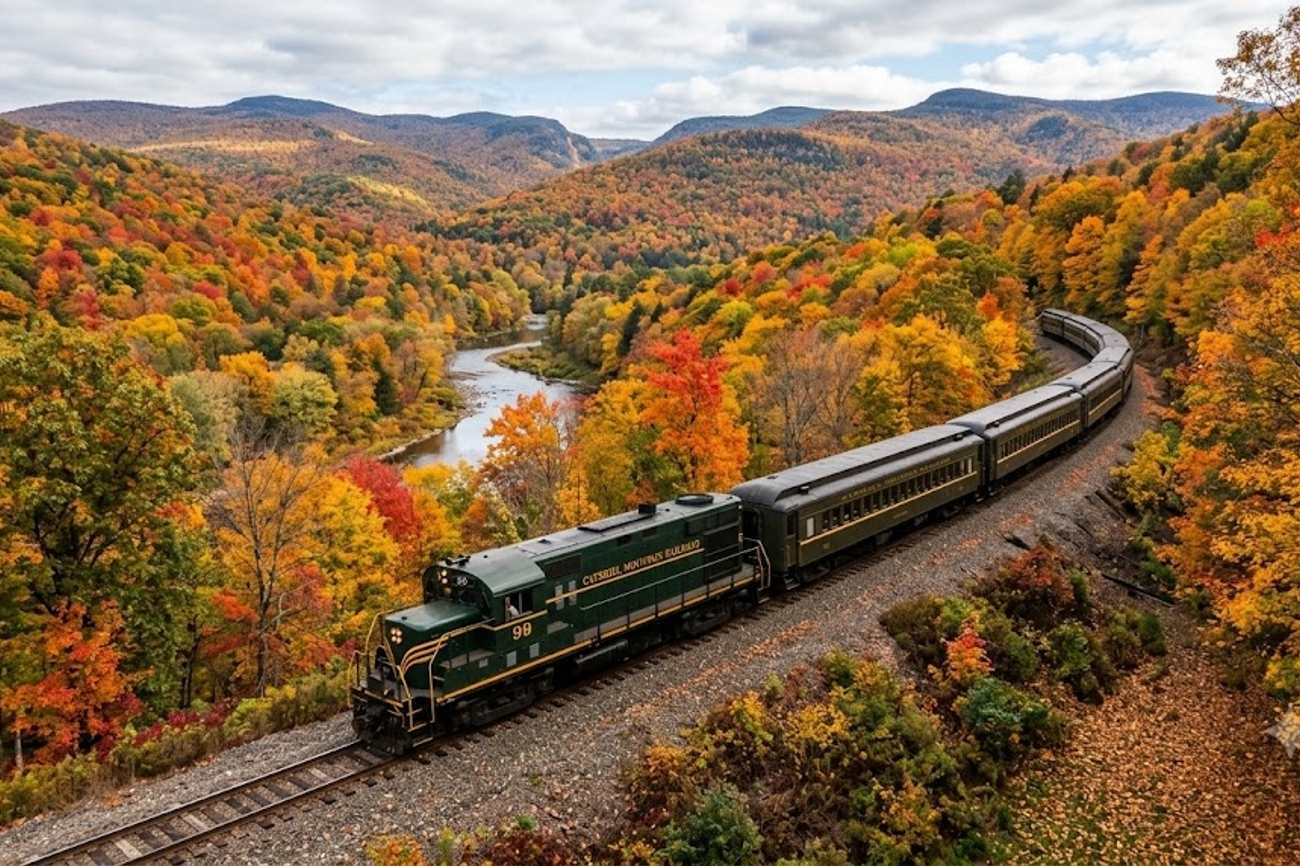
Image generated by AI
$2,000,000 in targeted capital investment and the installation of nearly 10,000 new railroad ties have culminated in the resurrection of a dormant piece of New York’s industrial heritage. The Delaware and Ulster Railway has officially reactivated its western route from Arkville to Halcottsville, timed specifically to capture the peak autumn foliage window. This is not merely a seasonal tourist attraction but a calculated restoration of rail infrastructure that had remained silent for decades, now repositioned as a premium gateway to the Western Catskills.
The Mechanics of Rail Resurrection
The reactivation of the Arkville-to-Halcottsville corridor represents a significant pivot in regional tourism strategy for Delaware County. For years, this specific stretch of track existed only in the archives of preservationists and the memories of former residents. The return of passenger service is the result of a rigorous engineering campaign designed to marry 19th-century aesthetics with 21st-century safety mandates.
To bring the line back to operational status, administrators focused on the foundational integrity of the railbed. The installation of nearly 10,000 new railroad ties was a prerequisite for supporting the weight of vintage locomotives without risking derailment or structural failure. This physical overhaul was supported by a financial injection exceeding two million dollars, which funded not only the ties but also critical bridge inspections and the refurbishment of rolling stock. These upgrades ensure that the railway complies with the safety benchmarks established by the Federal Railroad Administration (FRA), balancing the charm of historic travel with the non-negotiable requirements of modern passenger transit.
Route Logistics and Seasonal Timing
The restored service is designed as a curated experience rather than a transit utility. The journey is a 45-minute transit that prioritizes observation over speed, allowing passengers to navigate the steep mountain grades and forested ravines of the Western Catskills.
| Feature | Detail |
|---|---|
| Route Segment | Arkville to Halcottsville |
| Transit Duration | 45 Minutes |
| Infrastructure Investment | $2,000,000+ |
| Physical Upgrades | ~10,000 New Railroad Ties |
| Peak Window | Late September to Mid-October |
| Key Flora | Sugar Maples, American Beeches, Yellow Birches |
The timing of the relaunch is strategically synchronized with the peak foliage cycle. Between late September and mid-October, the region's deciduous canopy transforms into a high-contrast palette of amber, crimson, and gold. Because the tracks traverse areas otherwise inaccessible to automobiles, the railway provides a monopoly on specific sightlines of the East Branch of the Delaware River and secluded wildlife habitats. This creates a high-demand, low-supply environment, making advance booking a necessity for those attempting to visit during the peak window.
Expert Analysis: The Economics of Heritage Tourism
For the traveler, the return of the Delaware and Ulster Railway is a scenic luxury; for the region, it is a strategic economic hedge. The "shoulder season"—the period between the summer rush and the winter freeze—is historically a lean time for upstate New York. By leveraging a high-value asset like a restored historic railway, Delaware County is effectively extending its tourism window.
The direct consequence of this restoration is a "multiplier effect" on the local economy. The railway does not operate in a vacuum; it acts as a funnel, bringing thousands of high-spending visitors into small towns that house artisanal shops, farm-to-table eateries, and boutique hospitality venues. When a traveler books a ticket for the Arkville-to-Halcottsville run, they are more likely to spend the remainder of their day in the local ecosystem.
Furthermore, this model creates a sustainable loop of preservation. The revenue generated from autumn ticket sales provides the capital necessary for the ongoing maintenance of the line. This reduces the reliance on government grants and places the financial burden of preservation on the consumer. For the savvy traveler, this means the quality of the experience is directly tied to the volume of visitors; the more popular the route, the more funding is available for further expansions, such as the proposed integration with the historic New York Central and Hudson River Railroad systems.
From a logistical standpoint, the choice of a 45-minute duration is a calculated move to maximize turnover. By keeping the trip concise, the railway can run more frequent rotations per day, increasing total passenger throughput and maximizing the ROI on the two-million-dollar investment.
Key Takeaways
- Infrastructure Scale: The restoration involved a $2 million investment and the replacement of nearly 10,000 railroad ties to meet modern safety standards.
- Strategic Timing: The operational peak occurs from late September to mid-October, coinciding with the maximum coloration of sugar maples and yellow birches.
- Exclusive Access: The 45-minute route from Arkville to Halcottsville provides access to the East Branch of the Delaware River and ravines that are closed to car traffic.
- Economic Impact: The revival is designed to stimulate the Delaware County economy during the autumn shoulder season through heritage-driven tourism.
- Future Expansion: Long-term plans include potential connections to the New York Central and Hudson River Railroad systems, provided environmental guidelines are met.
FAQ: Catskills Rail Travel 2026
How long is the restored Catskills train ride? The journey from Arkville to Halcottsville lasts 45 minutes, designed to provide a slow-paced observation of the Western Catskills landscape.
When is the best time to book tickets for foliage? Tickets should be booked well in advance for the peak window between late September and mid-October to ensure availability during the height of the autumn colors.
Is the restored railway safe for passengers? Yes. The project included over $2 million in upgrades, including 10,000 new ties and rigorous bridge inspections to meet federal safety benchmarks.
What wildlife can be seen from the train? Passengers frequently report sightings of white-tailed deer, wild turkeys, and various birds of prey along the remote corridors of the route.
A calculated bet on nostalgia and nature, the Delaware and Ulster Railway proves that the right infrastructure investment can turn a silent relic into a regional economic engine.
Tags: Delaware and Ulster Railway, Arkville to Halcottsville, Catskills Fall Foliage 2026, Delaware County Tourism, New York Heritage Rail
Related Travel Guides
- Birmingham To Manchester Airport Gains New Direct Train Route To Transform UK Travel Connections
- Indian Railways Unlocks Bigger Connectivity Growth In August 2026 With Millions More Passengers On Board
- Thiruvananthapuram To Tambaram Special Train Extended After Strong Passenger Demand During Festive Travel Season
This article is for informational purposes. Flight routes, passenger regulations, visa rules, and transit advisories are subject to change by airlines and aviation authorities. Readers are advised to verify schedules and travel documentation with relevant carriers and border agencies before departure.