
Restaurants Chicago Diverse Suburb Emerges as Culinary Hub in 2026
An Illinois suburb is gaining recognition in 2026 for its restaurants chicago diverse dining scene, blending riverfront seafood establishments with scenic outdoor recreation and historic attractions that draw food-focused travelers.

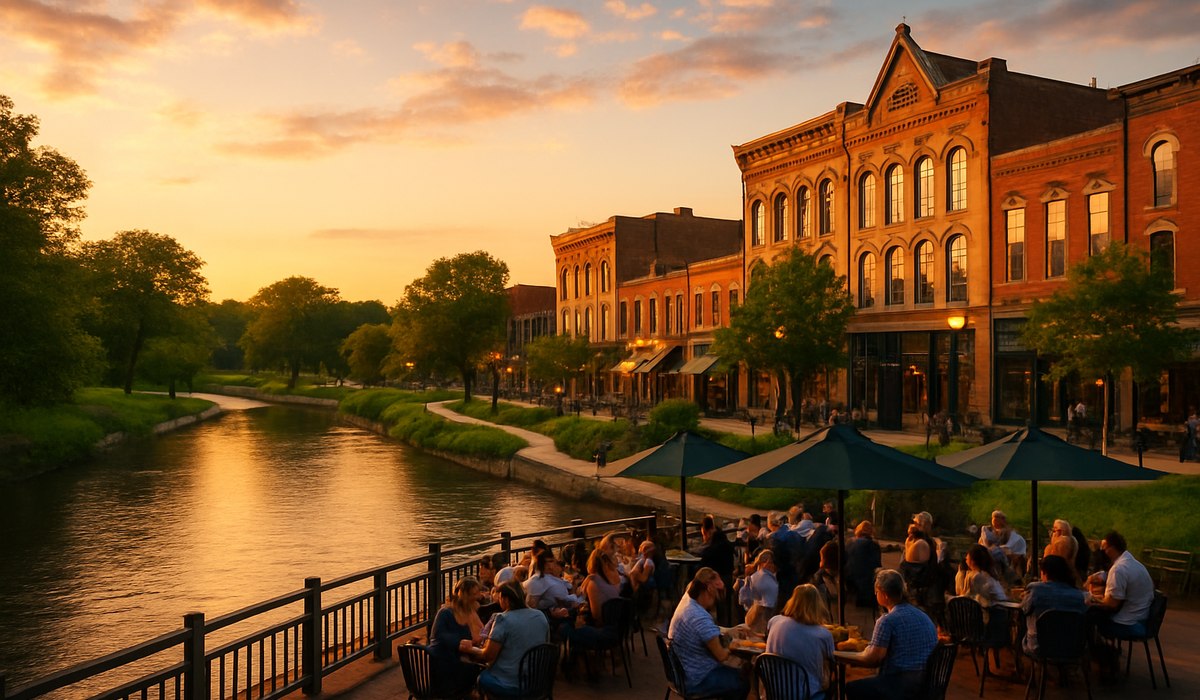
Image generated by AI
A Chicago Suburb Emerges as Dining and Outdoor Recreation Destination
An Illinois suburb is attracting food-focused travelers in 2026 with its combination of restaurants chicago diverse menus, scenic riverfront views, and accessible outdoor recreation. The destination has quietly built momentum as a culinary hotspot where visitors pair morning hiking adventures with evening seafood dinners overlooking the water. This emerging suburb known for balancing casual neighborhood eateries with upscale fine dining now competes with established Chicago dining districts for regional attention.
Culinary Scene: From Casual to Fine Dining
The suburb's restaurant landscape reflects its multicultural community and riverfront location. Fine dining establishments showcase seasonal seafood preparations with panoramic water views, while casual bistros and neighborhood cafes serve global cuisines. Diners report that restaurants chicago diverse offerings allow them to experience everything from contemporary American fare to ethnic cuisines within walkable distances.
Farm-to-table concepts have gained traction, with chefs sourcing from Illinois producers. Waterfront dining venues offer sunset service during warmer months. The dining culture supports both established restaurants and newer chef-driven concepts experimenting with fusion cuisines.
Check TripAdvisor for current restaurant reviews and reservations to secure tables at popular venues during peak weekends.
Outdoor Adventures: Parks and Hiking Trails
The suburb's park system provides accessible outdoor recreation minutes from downtown dining corridors. Scenic hiking trails wind through forested preserves along the riverbank, with difficulty levels ranging from gentle nature walks to moderate elevation gains. Many trails feature interpretive signage explaining local ecology and history.
Picnic areas stationed throughout parks allow visitors to pack lunches before afternoon hikes. River access points enable kayaking and fishing for those seeking water-based recreation. Paved walking paths connect downtown restaurants to trailheads, enabling visitors to combine dining with movement throughout the day.
Seasonal wildflower blooms in spring and fall foliage create photography opportunities along major trail systems.
Historic Landmarks and Cultural Attractions
The suburb's history spans industrial development, early 20th-century architecture, and community building efforts. Preserved Victorian homes line residential streets, while historic commercial buildings anchor downtown areas. Museums document the suburb's role in regional transportation and manufacturing heritage.
Walking tours organized by the local historical society connect historic structures with neighborhood stories. Several landmarks now house galleries, performance spaces, and cultural programming that engage residents and visitors. The architectural blend of charming older buildings with contemporary renovations creates photogenic streetscapes.
Cultural events throughout the year celebrate the community's diverse populations and heritage traditions. Contact the official Illinois tourism board for specific historic site hours and guided tour scheduling.
Planning Your Visit: Where to Stay and What to Know
Accommodations range from riverside hotels to boutique bed-and-breakfasts integrated into historic buildings. Many lodging options sit within walking distance of restaurants chicago diverse establishments and park entrances. Advance booking during summer months and fall foliage season ensures availability.
The suburb's compact layout makes exploration manageable on foot or by bicycle. Local transit connections to Chicago proper provide flexible day-trip options for visitors prioritizing the suburb as a regional hub rather than an overnight destination.
Parking availability near dining and trailhead locations supports self-guided exploration. Several restaurants offer outdoor seating during warmer months, extending the dining season from spring through early autumn.
Best Time to Visit
Spring and fall offer optimal conditions for combining dining experiences with outdoor hiking adventures. April through May brings moderate temperatures and wildflower blooms along trail systems. September through October delivers fall foliage and comfortable hiking weather alongside peak restaurant service.
Summer weekends attract significant visitor volume, particularly for riverfront dining venues. Winter visitation decreases substantially, though some restaurants remain open with modified seasonal menus. Late March and early April represent shoulder season opportunities with fewer crowds and emerging seasonal menus.
How to Get There
The suburb sits approximately 25-40 minutes from downtown Chicago via regional highways and commuter rail. Visitors driving from the city should plan for variable traffic conditions on approach routes during weekday rush periods. Metered parking and parking lots serve downtown commercial districts near restaurants chicago diverse options and park facilities.
Commuter rail service from downtown Chicago provides direct connectivity, eliminating driving concerns and parking logistics. Stations positioned near downtown restaurant corridors enable visitors to arrive without vehicles. Transit schedules support both day-trip and overnight visit patterns.
Regional airports offer alternative arrival points for visitors prioritizing the suburb as a primary destination rather than Chicago supplement.
Key Facts and Figures
| Attribute | Details |
|---|---|
| Suburb Location | 25-40 minutes from downtown Chicago |
| Dining Establishments | 60+ restaurants with diverse cuisines |
| Park System | 15+ parks with hiking trail networks |
| Historic Landmarks | 40+ preserved structures documented |
| Annual Visitors | Growing trend noted in 2026 |
| Best Dining Season | Spring through fall months |
| Trail Difficulty Range | Easy to moderate accessibility |
| Average Restaurant Price Range | $12-65 per entree |
| Parking Options | Street parking, municipal lots |
| Accessibility Features | Paved trails, wheelchair-accessible venues |
What This Means for Travelers
The suburb's maturation as a culinary and outdoor recreation destination creates several actionable opportunities for nomadic workers and leisure travelers:
-
Combine Active Recreation with Fine Dining: Plan mornings for trail exploration and afternoons for restaurant discovery, optimizing your daily schedule for both wellness and culinary experiences.
-
Leverage Transit Connectivity: Use commuter rail from Chicago to explore the suburb without vehicle logistics, freeing mental space for dining reservations and trail planning.
-
Book Accommodations Early: Spring and fall shoulder seasons fill quickly, requiring reservations weeks in advance for preferred lodging near restaurants chicago diverse districts.
-
Explore Walking Tours: Maximize historic landmark understanding by engaging guided tours rather than self-directed exploration, gaining curated context about architectural and community heritage.
-
Arrive Mid-Week When Possible: Reduce dining competition and park crowding by visiting Tuesday through Thursday, accessing restaurants during less competitive service periods.
FAQ
What dining cuisines dominate the suburb's restaurant scene? Restaurants chicago diverse menus emphasize seafood given the riverfront location, contemporary American fare with seasonal ingredients, and ethnic cuisines reflecting the community's multicultural population. Farm-to-table concepts and fusion cooking styles have gained prominence among newer establishments.
Are hiking trails suitable for casual visitors without experience? Yes, the park system offers easy-to-moderate difficulty trails with clear signage and maintained surfaces. Paved paths accommodate visitors of varying mobility levels, and trail lengths range from 1-6 miles enabling flexible adventure planning based on fitness levels.
How far is the suburb from downtown Chicago attractions? The suburb sits 25-40 minutes via highway or commuter rail, making it accessible as both an overnight destination and day-trip complement to Chicago proper. Transit options reduce driving complexity for visitors prioritizing the suburb as a regional hub.
What is the optimal season for combining dining with outdoor activities? Spring (April-May) and fall (September-October) provide comfortable temperatures for hiking while supporting peak restaurant service. Summer crowds peak during weekends, while winter visitation decreases substantially due to trail conditions and reduced outdoor appeal.
Related Travel Guides
- Shangri-La Asia Stock Reflects Uneven Luxury Hotel Recovery Across Asia in 2026
- Cathay Pacific Reopens The Wing, First Lounge at Hong Kong International Airport on April 22, 2026: Inside the Most Luxurious Airport Retreat in Asia for First Class and Diamond Frequent Flyers
- Hospitality Tech360 2026: Event Canada France Draws 25K to ExCeL London
Disclaimer
This article references dining establishments, park facilities, and transportation options current as of April 2026. Restaurant hours, seasonal programming, and service availability may change. Verify all information with the official Illinois tourism board, individual restaurant websites, and park management before planning visits. Confirm commuter rail schedules and highway conditions with transit authorities prior to travel. Always verify with your airline, transit
Disclaimer
This article is for informational and educational purposes only. It does not constitute legal, financial, or professional advice. While we strive to provide accurate and up-to-date information, travel policies, regulations, and conditions change rapidly. Always verify information with official sources before making travel decisions. Nomad Lawyer makes no representations about the accuracy, reliability, completeness, or suitability of the information provided. Readers should consult qualified professionals for advice specific to their circumstances. The views expressed in this article are those of the author and do not necessarily reflect the views of Nomad Lawyer.
Kunal K Choudhary
Co-Founder & Contributor
A passionate traveller and tech enthusiast. Kunal contributes to the vision and growth of Nomad Lawyer, bringing fresh perspectives and driving the community forward.
Learn more about our team →