
California Beaches Longest: 17-Mile Coastal Paradise With Surfing, Fishing, and Monarchs in 2026
A stunning 17-mile California beach combines world-class surfing and fishing with rare monarch butterfly migrations. Nomadic travelers discover unique multi-activity experiences along this 2026 coastal paradise destination.

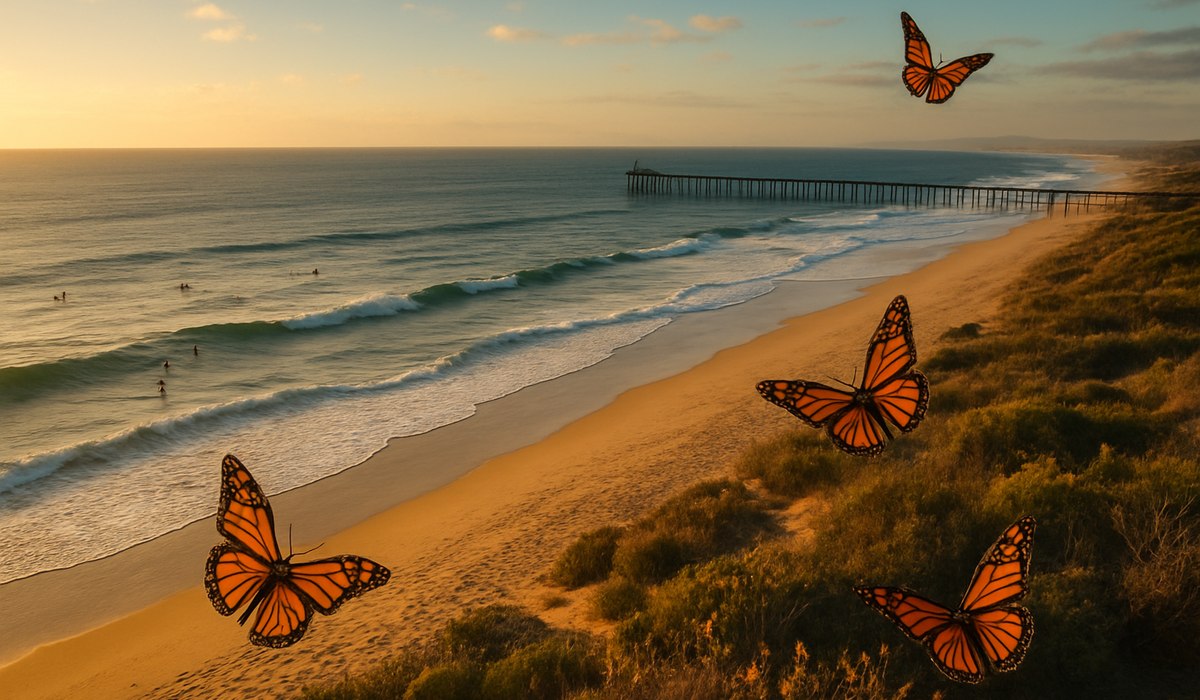
Image generated by AI
A 17-Mile California Beach Paradise Emerges as Top Multi-Activity Destination
Carpinteria State Beach, a stunning 17-mile coastal stretch in Santa Barbara County, has solidified its position as one of California's longest beaches offering unprecedented recreational diversity. This expansive shoreline seamlessly combines premier surfing conditions, abundant fishing opportunities, and seasonal monarch butterfly migrations—creating an ideal destination for location-independent professionals and leisure travelers seeking varied activities in a single location.
The beach's reputation continues to grow as travelers discover its unique appeal beyond typical coastal vacations. Whether you're a nomadic professional seeking work-life balance or a digital nomad prioritizing diverse experiences, this California beach destination delivers exceptional value across multiple interest categories throughout 2026.
Surfing Spots For Every Level
Carpinteria's extended coastline provides exceptional conditions for surfers regardless of skill level. The consistent Pacific swells combined with sandy beach breaks create predictable, manageable waves perfect for beginners learning fundamental techniques. Experienced surfers appreciate the reef breaks and point breaks along the 17-mile stretch, where more powerful swells generate challenging conditions worthy of intermediate and advanced riders.
Local surf schools operate year-round programs, with instructors familiar with the beach's unique break patterns and seasonal variations. The northern sections near the state park entrance tend to be less crowded, offering peaceful morning sessions. Summer months bring the most consistent conditions, though autumn swells from tropical storms create exciting opportunities for experienced riders. Visit TripAdvisor's Carpinteria reviews to find current conditions and recommended lesson providers before your arrival.
Fishing Opportunities: Lagoon And Pier
The Carpinteria Salt Marsh lagoon system provides exceptional freshwater and brackish fishing experiences distinct from typical ocean fishing. Local anglers target leopard sharks, corbina, and halibut in the shallow lagoon waters, which remain productive throughout the year. The Carpinteria Pier extends into deeper waters, attracting larger species including barred surfperch, mackerel, and seasonal runs of white seabass.
Fishing from the pier requires no license for those 16 and under or over 65. General fishing licenses are affordable and available through California's Department of Fish and Wildlife. The pier's easy accessibility, protected railings, and nearby amenities make it ideal for families and those with mobility considerations. Peak fishing seasons run from May through October, when warmer water temperatures increase fish activity and migration patterns.
Monarch Butterfly Migration Season
One of California's most remarkable natural phenomena occurs along Carpinteria's coastline each autumn. Monarch butterflies undertake their epic multi-generational migration, with millions passing through the Pacific Flyway during October and November. The beach's protected eucalyptus groves and native vegetation create critical stopover habitat where monarchs rest and refuel before continuing southbound.
The migration represents one of nature's most fragile spectacles, with populations declining significantly over the past two decades. Local conservation organizations operate educational programs explaining the monarchs' 3,000-mile journey from Canadian breeding grounds to Mexican overwintering sites. Witnessing thousands of orange-and-black wings clustered in trees creates an unforgettable experience. Peak observation occurs during warm afternoons when butterflies become active after cool mornings.
Best Time to Visit
Carpinteria's Mediterranean climate supports year-round visitation, though seasonal considerations influence activity availability. Summer months (June-August) deliver warmest water temperatures and most consistent surf conditions, attracting larger visitor volumes and higher accommodation prices. Autumn (September-November) brings the monarch butterfly migration spectacle alongside pleasant weather and moderate crowds.
Winter months offer solitude and powerful storm swells for experienced surfers, though water temperatures drop significantly. Spring (March-May) provides ideal conditions for fishing, with migrating species passing through coastal waters and comfortable temperatures for beach exploration. Shoulder seasons like April and May offer optimal balance between weather conditions, moderate crowds, and reasonable pricing for nomadic travelers planning extended stays.
How to Get There
Carpinteria State Beach is located approximately 12 miles south of Santa Barbara, California, accessible via Highway 101. From Los Angeles International Airport (LAX), approximately 90 miles southbound, allow two hours for ground transportation. Santa Barbara Airport offers regional connections with major carriers, reducing travel time significantly.
Parking facilities at the state beach include day-use areas with ample space and reasonable daily fees. An entrance fee of approximately $10 per vehicle grants access to facilities including restrooms, picnic areas, and lifeguard services. The beach is accessible via public transit through Santa Barbara's MTD bus system for travelers preferring not to rent vehicles. Local shuttle services operate seasonally during peak tourism months.
Practical Travel Tips For Your Visit
Successfully experiencing Carpinteria's diverse attractions requires strategic planning around seasonal variations and daily conditions. Bring multiple wetsuits accommodating temperature ranges from 55°F in winter to 68°F in summer water temperatures. Sunscreen with SPF 50+ is essential year-round, as coastal sun reflection intensifies UV exposure.
Reserve accommodations 4-6 weeks in advance during summer peak season and monarch migration months. Beach-adjacent hotels fill rapidly, though inland options near Highway 101 offer proximity while maintaining reasonable pricing. Pack binoculars for monarch observation, as detailed wing patterns and behavioral differences become apparent with magnification. Download offline maps, as cellular coverage fluctuates along the extended 17-mile stretch.
Key Data Table
| Aspect | Details |
|---|---|
| Beach Length | 17 miles of continuous sandy coastline |
| Parking Cost | $10 per vehicle day-use entry |
| Water Temperature Range | 55°F winter to 68°F summer |
| Monarch Migration Peak | October-November (2-4 week window) |
| Nearest Major Airport | Santa Barbara Airport (25 minutes) or LAX (90 minutes) |
| Fishing Season Peak | May-October for optimal conditions |
| Surf Season | Year-round; autumn-winter brings largest swells |
| Local Services | Restaurants, shops, rental facilities within 5 miles |
| Accessibility | Wheelchair accessible pier and facilities available |
| Average Visitor Volume | 500,000+ annually across all seasons |
What This Means for Travelers
Carpinteria's 17-mile California beaches longest designation reflects increasing recognition of multi-activity coastal destinations among nomadic and leisure travelers. Here's how to maximize your visit:
-
Plan seasonal visits around specific interests—arrive in October for monarchs, summer for surfing consistency, May for fishing opportunities, or any season for solitude and nature immersion.
-
Book accommodations early, particularly for autumn months when monarch migration and favorable weather converge, creating peak tourism periods requiring advance planning.
-
Invest in proper equipment—wetsuits, quality surfboards, and fishing gear elevate experiences significantly compared to basic tourist activities.
-
Support local conservation efforts by volunteering with monarch habitat restoration projects or making donations to organizations protecting migration corridors.
-
Extend stays beyond day trips—experiencing all three primary activities (surfing, fishing, monarch observation) requires minimum 3-5 days across varied conditions and times.
FAQ
What is the best time to see monarch butterflies at Carpinteria? October and November represent peak monarch migration months, with the highest butterfly densities occurring during warm afternoons following cool mornings. Bring binoculars and visit protected grove areas where butterflies cluster for rest periods during their southbound migration.
Can I surf at Carpinteria as a beginner? Yes, Carpinteria's northern beach sections feature gentle sandy breaks ideal for beginners.
Disclaimer
This article is for informational and educational purposes only. It does not constitute legal, financial, or professional advice. While we strive to provide accurate and up-to-date information, travel policies, regulations, and conditions change rapidly. Always verify information with official sources before making travel decisions. Nomad Lawyer makes no representations about the accuracy, reliability, completeness, or suitability of the information provided. Readers should consult qualified professionals for advice specific to their circumstances. The views expressed in this article are those of the author and do not necessarily reflect the views of Nomad Lawyer.
Preeti Gunjan
Contributor & Community Manager
A passionate traveller and community builder. Preeti helps grow the Nomad Lawyer community, fostering engagement and bringing the reader experience to life.
Learn more about our team →