
National Park Stunning: Yellowstone Tops 2026 U.S. Destinations
Yellowstone National Park claims the top 2026 travel ranking, showcasing roaming bison herds, erupting geysers, and dramatic canyon waterfalls that draw millions of adventure seekers worldwide.

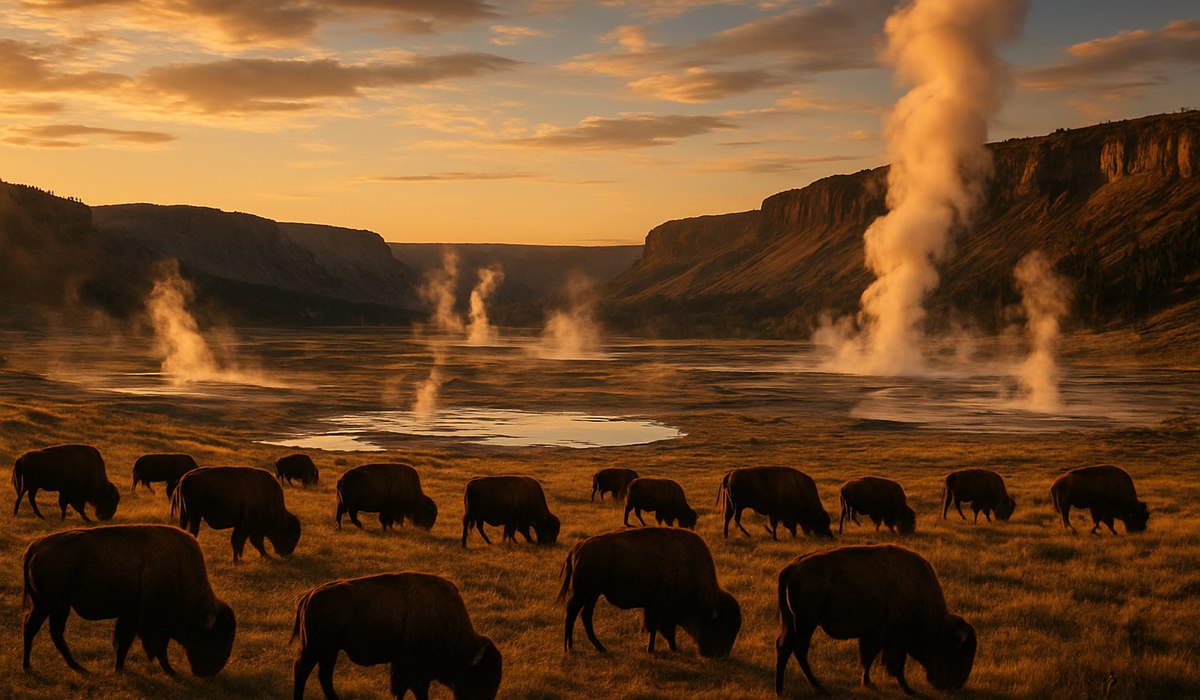
Image generated by AI
Yellowstone National Park Clinches Top Ranking for 2026 Travel
Yellowstone National Park has secured the premier position among America's most coveted destinations for 2026, offering unmatched geological wonders and wildlife encounters across its sprawling 3,468-square-mile landscape. This national park stunning designation reflects the region's magnetic appeal to travelers seeking authentic natural beauty combined with extraordinary geothermal phenomena. From the famous Old Faithful geyser to the vibrant Grand Prismatic Spring, Yellowstone continues captivating millions with its dynamic ecosystem where roaming bison herds freely traverse ancient valleys and thermal features.
The 2026 ranking underscores renewed interest in domestic adventure travel following increased accessibility improvements and enhanced visitor facilities throughout the park. Travel industry analysts attribute this surge to growing demand for immersive natural experiences that offer both educational value and Instagram-worthy moments for the modern traveler.
Why Yellowstone Tops 2026 National Park Rankings
Yellowstone's claim to the top spot stems from its unrivaled combination of geological diversity and biological richness. The park encompasses nearly half of Earth's geysers, making it a geothermal laboratory of extraordinary scientific importance. Its designation as the world's first national park in 1872 established precedent for conservation that continues today.
The natural beauty extends beyond thermal features. The Grand Canyon of the Yellowstone showcases dramatic 1,200-foot waterfalls plunging into canyons painted in yellows, oranges, and reds. Wildlife viewing opportunities rank among North America's finest, with healthy populations of grizzly bears, wolves, elk, and the iconic roaming bison that define the park's character. These attractions combine to create an experience unavailable elsewhere in the continental United States, justifying its 2026 recognition as the premier national park destination.
Wildlife Encounters: Bison and Beyond
Few experiences compare to witnessing roaming bison in their natural habitat within Yellowstone's expansive valleys. The park maintains one of the largest bison populations in North America, with roughly 5,000 individuals traversing the landscape seasonally. Observing these massive creatures grazing peacefully offers profound connection to the continent's ecological heritage.
Beyond bison, Yellowstone's wildlife diversity astounds visitors. The park's successful gray wolf reintroduction program, beginning in 1995, restored ecological balance while providing unprecedented predator-watching opportunities. Grizzly bear encounters, though requiring cautious distance, have increased as populations recover. Elk herds, waterfowl communities, and smaller mammals like pika and marmots round out the extraordinary fauna roster. Each visitor has realistic probability of encountering multiple species during their stay, contributing to Yellowstone's reputation for phenomenal wildlife observation and photography opportunities that justify its national park stunning accolade.
Must-See Natural Attractions and Hiking Trails
Yellowstone's iconic attractions demand personal experience. Old Faithful erupts predictably every 90 minutes, launching 3,700 to 8,400 gallons of boiling water skyward—a performance unchanged for over a century. The Grand Prismatic Spring, the largest hot spring in the United States, mesmerizes with its stunning azure center transitioning to orange and yellow chromatic rings created by heat-resistant bacteria.
Hiking enthusiasts discover unparalleled trail networks accessing hidden features and remote wilderness. The Lamar Valley "Serengeti of North America" rewards early morning hikers with abundant wildlife sightings. The Uncle Tom's Trail descends 328 steps to viewpoints overlooking the Lower Falls. More ambitious trekkers venture to Fairy Falls or Backcountry thermal zones where geysers erupt in solitude.
The natural beauty attracts photographers and naturalists alike. Norris Geyser Basin concentrates geothermal activity within accessible boardwalks, making it ideal for families. Mammoth Hot Springs presents terraced mineral deposits resembling frozen waterfalls. Each destination within the park reveals distinct geological narratives supporting Yellowstone's status as a national park stunning worthy of 2026's top ranking.
Best Time to Visit Yellowstone in 2026
Timing profoundly impacts Yellowstone experiences. Summer months (June-August) offer complete park accessibility and peak wildlife activity, though crowds reach maximum levels with daily visitor counts exceeding 30,000. Accommodations book rapidly, requiring reservations made months advance.
Spring (April-May) presents advantages for wildlife watchers, as animals emerge from winter seeking abundant new vegetation. Waterfalls peak with snowmelt, creating particularly dramatic canyon vistas. Fall (September-October) delivers fewer crowds, cooler temperatures ideal for hiking, and spectacular golden vegetation. Weather remains stable, though early snow can occur by late October.
Winter transforms Yellowstone into a unique destination for snowshoers and cross-country skiers, though road access becomes limited and temperatures drop below freezing. Most lodges close seasonally. Late spring and early fall offer optimal balance between accessibility, moderate crowds, and natural beauty for travelers planning 2026 visits. Check the official Yellowstone National Park website for current condition updates and reservation protocols before finalizing travel dates.
How to Get There
Yellowstone's geographic location in Wyoming, Montana, and Idaho provides multiple regional entry points. The south entrance near Jackson, Wyoming sits approximately 60 miles away. West Yellowstone, Montana, offers the western gateway. The northern entrance at Mammoth Hot Springs provides direct access via Montana's scenic routes.
Commercial flights typically route through Jackson Hole Airport (JAC) in Wyoming or Bozeman Gallatin Field (BZN) in Montana, both within 90-minute drives from park boundaries. Salt Lake City International Airport (SLC) in Utah provides the largest regional hub, approximately 5-6 hours south.
Visitors can rent vehicles at these airports or arrange shuttle services through numerous outfitters. Self-driving allows flexibility exploring the 142-mile Grand Loop Road encircling major attractions. For those preferring guided experiences, numerous companies offer ranger-led tours originating from gateway towns like West Yellowstone and Gardiner. The TripAdvisor Yellowstone guide provides additional transportation options and local service providers.
Key Visitation Data
| Feature | Details |
|---|---|
| Total Area | 3,468 square miles across Wyoming, Montana, Idaho |
| Annual Visitors (2025) | Over 3.9 million visitors |
| Bison Population | Approximately 5,000 roaming individuals |
| Geysers | Nearly 10,000 thermal features (half Earth's geysers) |
| Waterfalls | Grand Canyon Lower Falls drops 308 feet |
| Established | March 1, 1872 (world's first national park) |
| Entry Fee (2026) | $35 per vehicle; $30 motorcycles; $20 individuals |
| Peak Visitation | June-August (average 30,000+ daily visitors) |
What This Means for Travelers
Yellowstone's 2026 top ranking presents significant implications for adventure travelers and nature enthusiasts planning American vacations:
-
Book accommodations early. With increased demand following this prestigious ranking, lodge reservations for summer 2026 should be secured immediately through the official park concessionaire website. Plan backup options in nearby gateway towns.
-
Prepare for crowds strategically. Arriving early morning (before 8 AM) and visiting less-famous attractions extends enjoyment beyond main highway corridors. Consider visiting during shoulder seasons for superior experiences with manageable visitor numbers.
Disclaimer
This article is for informational and educational purposes only. It does not constitute legal, financial, or professional advice. While we strive to provide accurate and up-to-date information, travel policies, regulations, and conditions change rapidly. Always verify information with official sources before making travel decisions. Nomad Lawyer makes no representations about the accuracy, reliability, completeness, or suitability of the information provided. Readers should consult qualified professionals for advice specific to their circumstances. The views expressed in this article are those of the author and do not necessarily reflect the views of Nomad Lawyer.
Raushan Kumar
Founder & Lead Developer
Full-stack developer with 11+ years of experience and a passionate traveller. Raushan built Nomad Lawyer from the ground up with a vision to create the best travel and law experience on the web.
Learn more about our team →