
RegioJet Announces 2027 Poland Rail Expansion with New Cross-Border Routes to Austria and Croatia
Czech rail operator RegioJet pivots strategy for 2027, prioritizing cross-border links from Poland to Austria and Croatia alongside targeted domestic corridor expansions.
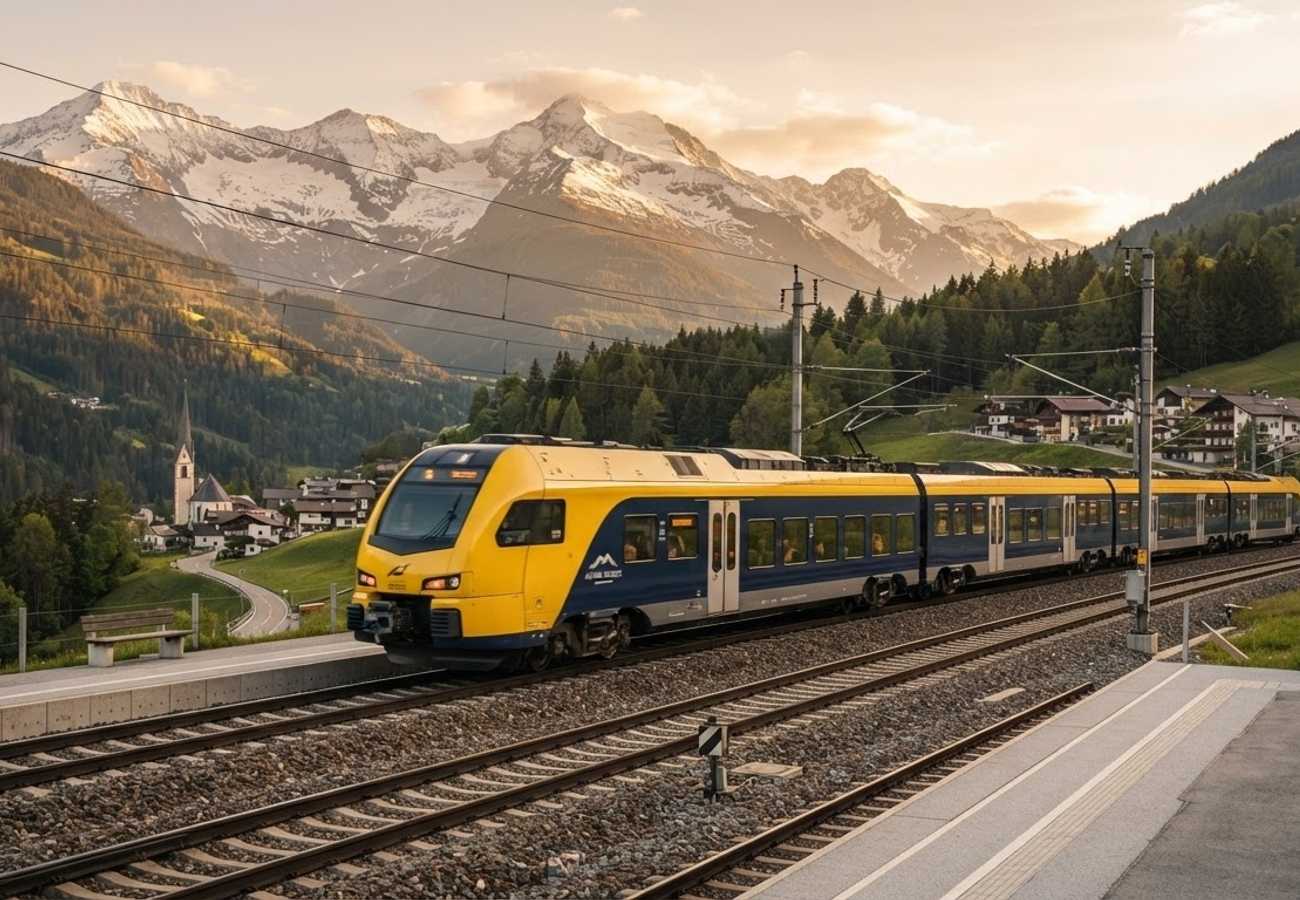
Image generated by AI
Czech private rail operator RegioJet is pivoting its Polish strategy for the 2027 timetable, shifting focus toward high-demand cross-border corridors and seasonal leisure routes to the Adriatic and Alpine regions.
Strategic Pivot Toward International Corridors
Following a challenging initial attempt to penetrate the Polish domestic market in spring 2026—which saw the withdrawal of several planned services due to timetable constraints and a competitive environment—RegioJet is returning with a refined approach. Rather than competing solely on subsidized domestic lines, the operator is leveraging its strengths as a multinational open-access carrier.
The new strategy prioritizes cross-border connectivity, aimed at bypassing the political and contractual sensitivities associated with publicly funded domestic services typically managed by incumbent operators. By focusing on international transit, RegioJet aims to capture the leisure market, specifically targeting travelers moving between Poland, the Czech Republic, Austria, and Croatia.
2027-2030 Route Specifications and Projections
The filings submitted to the Polish Office of Rail Transport indicate a long-term commitment, with timetable windows extending from December 2027 through the early 2030s. The primary focus is on "one-seat rides" to holiday destinations, reducing the need for transfers.
| Route Category | Primary Origin/Hub | Target Destinations | Service Type | Estimated Timeline |
|---|---|---|---|---|
| Cross-Border South | Southern Poland (Silesia/Sudetes) | Czech Republic $\rightarrow$ Austria | Long-distance/Seasonal | 2027/2028 |
| Adriatic Express | Kraków / Major Hubs | Croatia (Coastal Cities) | Overnight/Seasonal | 2027/2028 |
| Domestic Spine | Warsaw | Kraków | Long-term Open Access | 2026/2027 onwards |
| Western Corridor | Warsaw | Poznań $\rightarrow$ Berlin | High-frequency/Interval | 2026/2027 onwards |
| Northern Corridor | Warsaw | Gdańsk (Tri-City) | Competitive Open Access | 2027+ |
| Regional Links | Warsaw | Wrocław / Poznań / Szczecin | Peak-hour Hourly | 2026/2027 onwards |
Traveler Logistics Guide: Navigating Central European Rail
From a ground-level perspective, the introduction of these routes significantly alters the logistics of Central European travel. The shift toward overnight and seasonal "one-seat" journeys removes the friction of navigating multiple ticketing systems and luggage transfers at border stations.
Booking and Connectivity Advice:
- Optimal Layover Strategy: For those not using the direct 2027 seasonal trains, the primary hubs remain Warsaw and Kraków. When booking connections to the Czech Republic or Austria, ensure a minimum of 60 minutes for transfers at border hubs to account for potential signaling delays.
- Digital Transit Integration: Travelers should utilize the RegioJet app for real-time tracking. For those entering the EU from non-Schengen zones via these routes, ensure all digital travel authorizations (such as ETIAS, where applicable) are processed prior to boarding to avoid delays during random border checks on international corridors.
- Overnight Transit: The proposed Kraków-to-Croatia overnight services are designed for leisure travelers. To maximize efficiency, book "sleeper" configurations early, as these are expected to be high-demand alternatives to low-cost carriers.
Infrastructure and Fleet Investment
To support this expansion, RegioJet has entered into a strategic partnership with Polish manufacturer Pesa Bydgoszcz. The company has ordered new "Elf family" electric multiple units (EMUs), including both three-car and four-car trainsets.
These units are critical for cross-border operations because they feature multi-system capabilities. This allows trains to traverse different electrification systems and signaling environments without requiring locomotive changes at the border, which traditionally adds significant time to international journeys. Sourcing fleet from a local Polish manufacturer also provides RegioJet with better access to maintenance facilities and regional industrial support.
Regional Connectivity Impact
The entry of a competitive open-access operator on the Warsaw-Gdańsk and Warsaw-Kraków axes is expected to pressure incumbent operators to improve service quality and pricing. By targeting the leisure market—specifically the Adriatic coast—RegioJet is challenging the dominance of long-haul coaches and budget airlines on routes that have historically lacked efficient rail alternatives.
While the Polish Office of Rail Transport continues to protect subsidized regional traffic, the 2027 plan demonstrates a sophisticated attempt to fill the gaps in the current network, specifically in the realm of high-comfort, long-distance international transit.
The success of this push depends on the final allocation of timetable slots, but the investment in Pesa rolling stock suggests this is a permanent strategic shift.
Related Travel Guides
Disclaimer
This article is for informational and educational purposes only. It does not constitute legal, financial, or professional advice. While we strive to provide accurate and up-to-date information, travel policies, regulations, and conditions change rapidly. Always verify information with official sources before making travel decisions. Nomad Lawyer makes no representations about the accuracy, reliability, completeness, or suitability of the information provided. Readers should consult qualified professionals for advice specific to their circumstances. The views expressed in this article are those of the author and do not necessarily reflect the views of Nomad Lawyer.