
Ras Al Khaimah Records 670,000 Visitors in H1 2026 as UAE Luxury Tourism Expands
Ras Al Khaimah reports a record 670,000 visitors in the first half of 2026, driven by a 47% surge in domestic travel and the upcoming Wynn Al Marjan Island resort.

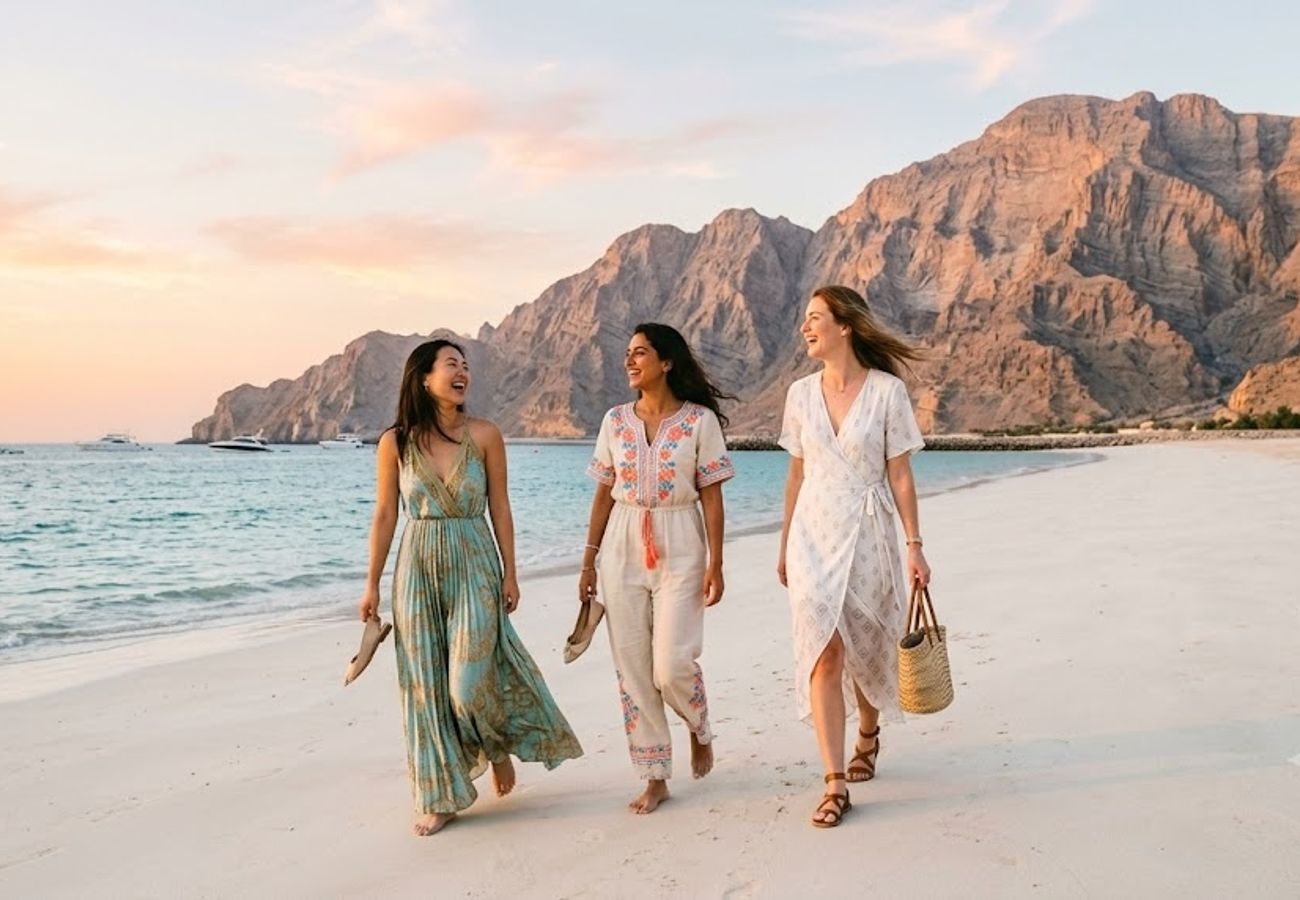
Image generated by AI
[Ras Al Khaimah, July 24, 2026] — Ras Al Khaimah has shattered previous tourism records, welcoming approximately 670,000 visitors during the first six months of 2026. This surge is fueled by a strategic shift in regional travel habits, with an increasing number of UAE residents and global tourists opting for the emirate's unique blend of mountain and coastal landscapes.
The growth comes at a critical time for the Middle East, where shifting geopolitical dynamics have altered international flight patterns. By diversifying its appeal and aggressively expanding its luxury inventory, Ras Al Khaimah has successfully positioned itself as a resilient hub for both short-term escapes and high-end international holidays.
Domestic Travel Surge Bolsters UAE Hospitality
The most significant driver of this record-breaking performance is the domestic market. Reports indicate that visitors residing within the UAE increased by 47 per cent compared to the same period last year. This spike suggests a growing preference among residents for "staycations" and weekend retreats over traditional international travel.
This domestic momentum has acted as a vital hedge against regional volatility. While some Middle Eastern destinations faced uncertainty regarding international arrivals, Ras Al Khaimah maintained steady hotel occupancy levels. The emirate's ability to offer a diverse environment—ranging from the rugged Hajar Mountains to serene beachfronts—has allowed it to capture a market segment seeking relaxation and adventure without leaving the country.
Industry data suggests that the hospitality sector's resilience is tied to the emirate's identity as a premium alternative to the high-density urban tourism found in Dubai or Abu Dhabi. By focusing on nature-centric luxury, Ras Al Khaimah is attracting a demographic that prioritizes wellness and outdoor exploration.
Wynn Al Marjan Island to Redefine Luxury Standards by 2027
The trajectory of the emirate's tourism sector is expected to accelerate further with the upcoming launch of the Wynn Al Marjan Island resort. Scheduled to open in 2027, this development is not merely a hotel but a comprehensive luxury ecosystem designed to attract high-net-worth global travelers.
A standout feature of this development is a strategic partnership with the immersive theatre company Punchdrunk. This collaboration will bring the first-ever Punchdrunk production to the Middle East and North Africa (MENA) region. Guests will be offered two distinct ways to experience the show: a traditional seated performance or an immersive journey where they can physically navigate the production's environments.
Beyond entertainment, the resort is engineered for maximum guest retention, featuring a massive collection of 22 restaurants, lounges, and bars. This "all-in-one" destination model is intended to transform Ras Al Khaimah from a short-stay destination into a global holiday powerhouse.
Expanding Capacity with New Coastal and Mountain Hotels
To accommodate the rising influx of visitors, Ras Al Khaimah is aggressively increasing its room inventory. The second half of 2026 will see several key openings aimed at diversifying the types of stays available to tourists.
A primary addition to the landscape is Rotana Ras Al Khaimah The Mangroves. Expected to debut in the third quarter of the year, this property will bring 258 rooms to the Al Qawasim Corniche area. The addition of this hotel is strategic, as it bridges the gap between ultra-luxury resorts and high-quality urban accommodation, catering to both the leisure market and the growing number of business travelers visiting the emirate.
The expansion strategy is focused on three distinct geographical pillars:
- Beachfront: Expanding the luxury resort footprint on Al Marjan Island.
- Urban: Increasing city-center capacity via projects like the Rotana Mangroves.
- Mountain: Developing boutique experiences within the Hajar mountain range.
Analyzing the Shift in UAE Tourism Dynamics
The record-breaking figures for the first half of 2026 signal a broader evolution in how the UAE is marketed to the world. For years, the narrative was dominated by the architectural marvels of the larger cities. However, the current data suggests a "decentralization" of tourism.
Travelers are now seeking "experiential" luxury—trips that combine high-end service with authentic natural environments. Ras Al Khaimah's success is a direct result of this pivot. By integrating adventure sports, cultural heritage, and world-class dining, the emirate has created a value proposition that complements, rather than competes with, the rest of the UAE.
Visitor Growth Summary H1 2026
| Metric | Data Point | Trend/Change |
|---|---|---|
| Total Visitors (Jan-June) | ~670,000 | Record High |
| Domestic Visitor Growth | 47% Increase | Significant Growth |
| Upcoming Major Project | Wynn Al Marjan Island | Opening 2027 |
| New Hotel Capacity | 258 Rooms (Rotana) | Q3 2026 Opening |
| Dining/Entertainment (Wynn) | 22 Venues | New Luxury Standard |
Why This Matters: The Impact on the Modern Traveler
For the global traveler, the transformation of Ras Al Khaimah means a significant increase in choice and quality. The introduction of immersive theatre and ultra-luxury gaming and dining via the Wynn resort shifts the emirate from a "stopover" to a "primary destination."
From a logistical standpoint, the growth in hotel capacity—specifically the addition of properties like Rotana Ras Al Khaimah The Mangroves—will likely lead to more competitive pricing and better availability during peak seasons. Furthermore, the heavy investment in infrastructure means that the transition from airports to resorts will be more seamless.
For the digital nomad or the luxury seeker, the ability to switch between a high-tech urban environment and a secluded mountain retreat within a single trip is a powerful draw. Ras Al Khaimah is effectively building a "diversified portfolio" of experiences, ensuring that it remains attractive regardless of whether the global trend leans toward adventure, wellness, or opulent leisure.
The emirate is no longer just a quiet neighbor to Dubai; it is now a central pillar of the UAE's strategic tourism vision.
Related Travel Guides
Disclaimer
This article is for informational and educational purposes only. It does not constitute legal, financial, or professional advice. While we strive to provide accurate and up-to-date information, travel policies, regulations, and conditions change rapidly. Always verify information with official sources before making travel decisions. Nomad Lawyer makes no representations about the accuracy, reliability, completeness, or suitability of the information provided. Readers should consult qualified professionals for advice specific to their circumstances. The views expressed in this article are those of the author and do not necessarily reflect the views of Nomad Lawyer.
Preeti Gunjan
Contributor & Community Manager
A passionate traveller and community builder. Preeti helps grow the Nomad Lawyer community, fostering engagement and bringing the reader experience to life.
Learn more about our team →