
New Zealand Heritage Access Fees 2026: Higher Tourist Charges for Milford Sound and Cathedral Cove
New Zealand has introduced higher access fees for Milford Sound and Cathedral Cove, joining a global trend of tourist taxes to support sustainable conservation.

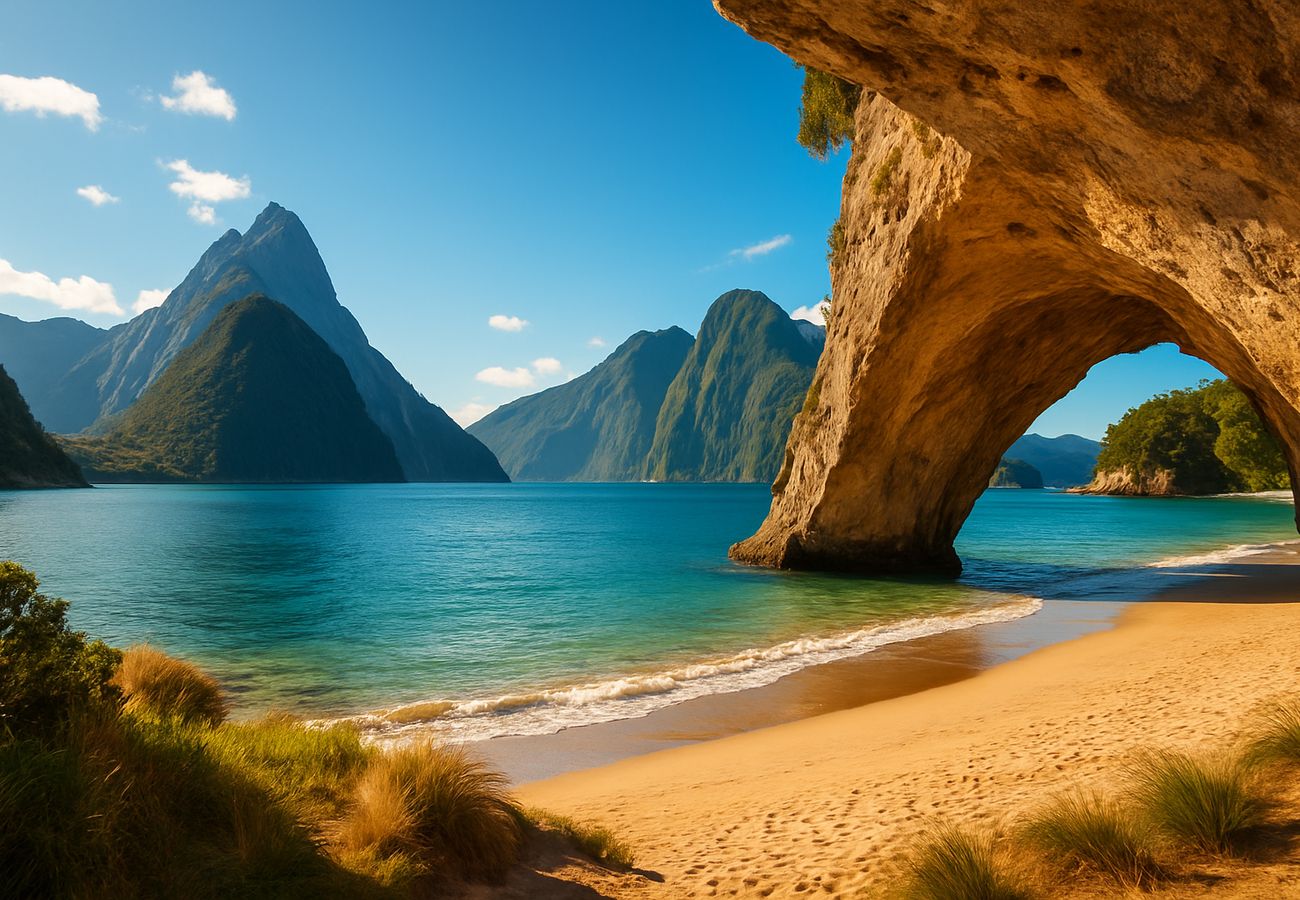
Image generated by AI
Quick Summary
- NZ Implementation: New Zealand has introduced higher access fees for Milford Sound, Cathedral Cove, and Tongariro Alpine Crossing.
- Global Context: Joins the USA, Spain, Japan, Thailand, Malaysia, and Cambodia in using "user-pays" models for heritage conservation.
- USA Model: Revenue from Grand Canyon and Yellowstone fees is reinvested into trail maintenance and habitat protection.
- Japan Focus: Mount Fuji climbing fees are dedicated to ecological management and hiker safety infrastructure.
- Spain Strategy: "Visitor Taxes" in Barcelona and Madrid fund the restoration of sites like the Alhambra and Sagrada Familia.
- SE Asia Revenue: Angkor Wat (Cambodia) and Maya Bay (Thailand) utilize high entry fees to mitigate overtourism damage.
- Direct Reinvestment: Funds are allocated specifically to biodiversity protection, hiking trail upkeep, and visitor facility upgrades.
- Source: New Zealand Department of Conservation and Global Sustainable Tourism Council reports as of May 7, 2026.
New Zealand has officially pivoted toward a high-value sustainable tourism model, joining an elite group of nations—including the United States, Japan, and Spain—in implementing increased access fees for its most iconic natural landmarks. On May 7, 2026, the government confirmed that international tourists will now face higher charges for entry to "crown jewel" sites such as Milford Sound, Cathedral Cove, and the Tongariro Alpine Crossing. This policy move addresses the growing pressure on New Zealand’s fragile ecosystems, which have faced significant degradation due to exponential visitor growth. By mirroring the success of the U.S. National Park system and Cambodia’s Angkor Wat revenue model, New Zealand aims to create a self-sustaining financial engine for biodiversity conservation and infrastructure maintenance. These "heritage fees" ensure that the economic benefits of tourism are directly reinvested into the long-term preservation of the very landscapes that drive the nation’s global appeal.
Global Tourist Access Fees and Heritage Conservation Models 2026
The following table summarizes how leading tourism nations are utilizing visitor fees to protect iconic heritage and natural sites.
| Nation | Iconic Site / Program | Fee Type | Primary Allocation |
|---|---|---|---|
| New Zealand | Milford Sound, Cathedral Cove | Access/Heritage Fee | Biodiversity & Trail Upkeep |
| United States | Grand Canyon, Yellowstone | Entrance Fee | Infrastructure & Protection |
| Japan | Mount Fuji | Climbing Fee | Trail Safety & Ecology |
| Spain | Alhambra, Sagrada Familia | Visitor Tax | Architectural Restoration |
| Thailand | Maya Bay, Grand Palace | National Park Fee | Overtourism Mitigation |
| Malaysia | Langkawi, Taman Negara | Tourist Tax (Nightly) | Regional Biodiversity |
| Cambodia | Angkor Wat | Archaeological Fee | Site Restoration & Community |
New Zealand’s Policy Pivot: Funding Conservation at Milford Sound and Cathedral Cove
New Zealand’s iconic landmarks are facing unprecedented physical stress:
- Milford Sound: As one of the most visited sites in the Southern Hemisphere, the fiord requires significant investment in waste management and marine protection.
- Cathedral Cove: Erosion and high foot traffic on the Coromandel Peninsula have prompted a "user-pays" approach to fund urgent trail repairs.
- Direct Reinvestment: Unlike general tourism taxes, these specific site fees are ring-fenced for the Department of Conservation to use on-site for facilities and ecological monitoring.
United States Model: Reinvesting National Park Fees into Infrastructure
The U.S. has provided the historical blueprint for sustainable park management:
- Maintenance Backlog: Fees from Yellowstone and the Grand Canyon are used to address billion-dollar maintenance backlogs for roads and trails.
- Visitor Services: Revenue supports the training of park rangers and the operation of educational visitor centers.
- Ecosystem Integrity: Funding ensures that massive visitor volumes do not compromise the "wildness" of the American national treasures.
Spain and Europe: Visitor Taxes for Urban Heritage and Landmark Upkeep
European nations are using taxes to manage the impact of mass tourism on historic cities:
- Architectural Preservation: In Barcelona and Madrid, tourist contributions go directly toward the centuries-old upkeep of Gothic and Modernist landmarks.
- Public Infrastructure: Revenue is often split between site restoration and improving public transport networks that serve both locals and tourists.
- Barcelona Model: The city’s visitor tax has successfully funded the preservation of Gaudi’s masterpieces while managing resident-tourist friction.
Japan’s Mount Fuji: Managing Ecological Footprints via Climbing Fees
Japan’s approach focuses on the intersection of safety and environmental protection:
- Trail Maintenance: The mandatory climbing fee for Mount Fuji is used to maintain the extensive trail network and provide emergency medical stations.
- Waste Management: High-altitude tourism creates unique waste challenges; fee revenue supports eco-friendly toilet facilities and litter removal.
- Flow Management: The fee acts as a subtle deterrent to casual, ill-equipped hikers, improving overall safety on the mountain.
Southeast Asian Strategies: Thailand, Malaysia, and Cambodia’s Revenue Models
In Southeast Asia, heritage fees are a critical tool for protecting UNESCO-listed sites:
- Cambodia (Angkor Wat): The high international entry fee is the primary source of funding for the ongoing restoration of ancient Khmer temples.
- Thailand (Maya Bay): After a multi-year closure due to coral damage, Thailand now uses entrance fees to strictly limit daily visitor numbers and fund marine rehabilitation.
- Malaysia: The nightly tourist tax in hubs like Langkawi supports the conservation of Southeast Asia’s oldest rainforests.
Biodiversity and Infrastructure: Where the Access Fee Revenue is Allocated
The "heritage fee" model prioritizes long-term ecological health over short-term volume:
- Native Species Protection: Funding supports predator-free initiatives and the protection of endangered flora.
- Trail Resilience: In New Zealand, the Tongariro Alpine Crossing requires constant maintenance to prevent soil erosion in the volcanic landscape.
- Modern Facilities: Upgrading toilets, signage, and viewing platforms ensures a high-quality (and safe) experience for the high-spending international segment.
Overtourism Mitigation: Managing Visitor Flow in Fragile Ecosystems
Fees are increasingly used as a management tool rather than just a revenue source:
- Demand Leveling: Higher fees during peak seasons encourage travelers to visit during "shoulder" months, reducing the instantaneous load on the environment.
- Quality Over Quantity: By pricing access to premium sites, nations are successfully attracting "high-value" tourists who prioritize sustainability over low-cost travel.
- Resident Exemptions: Most models, including New Zealand’s, focus on international visitors, ensuring that locals retain affordable access to their own national heritage.
Conclusion: The Normalization of High-Value Sustainable Tourism Fees
The May 7, 2026, implementation of New Zealand’s heritage access fees marks the final step in the normalization of the "user-pays" conservation model. From the fiords of Milford Sound to the temples of Angkor Wat and the peaks of Mount Fuji, the world’s most iconic destinations have recognized that unrestricted access is no longer sustainable. By charging tourists a premium for the privilege of experiencing these natural and cultural wonders, nations are ensuring the financial viability of their preservation. As the global tourism industry continues to scale, these fees represent a necessary contract between the traveler and the environment—a commitment that the beauty witnessed today will be preserved for the generations of tomorrow.
FAQ: New Zealand Heritage Fees 2026
Which sites in New Zealand now require higher tourist fees? Milford Sound, Cathedral Cove, and the Tongariro Alpine Crossing are the primary sites targeted for higher access charges.
How is the revenue from these fees used? The funds are reinvested directly into biodiversity protection, hiking trail maintenance, and the upgrade of visitor facilities.
Do New Zealand residents have to pay these higher fees? Most "heritage fee" models are designed to target international tourists, with locals typically retaining free or low-cost access to national landmarks.
Related Sustainable Tourism Reports
- Global Overtourism Report 2026: Solutions for Fragile Ecosystems
- The Economic Impact of National Park Fees in the United States
- Marine Conservation in Thailand: The Maya Bay Rehabilitation Success
Zealand Department of Conservation** and Global Sustainable Tourism Council reports as of May 7, 2026.
Disclaimer
This article is for informational and educational purposes only. It does not constitute legal, financial, or professional advice. While we strive to provide accurate and up-to-date information, travel policies, regulations, and conditions change rapidly. Always verify information with official sources before making travel decisions. Nomad Lawyer makes no representations about the accuracy, reliability, completeness, or suitability of the information provided. Readers should consult qualified professionals for advice specific to their circumstances. The views expressed in this article are those of the author and do not necessarily reflect the views of Nomad Lawyer.
Kunal K Choudhary
Co-Founder & Contributor
A passionate traveller and tech enthusiast. Kunal contributes to the vision and growth of Nomad Lawyer, bringing fresh perspectives and driving the community forward.
Learn more about our team →