
Rajasthan Tourism Department Unveils Summer Campaign for Hidden Gems
Rajasthan Tourism Department launches 'Rajasthan in Summer' initiative in 2026, repositioning the desert state as a year-round destination by spotlighting lesser-known towns like Bundi and Barmer through experience-driven marketing.

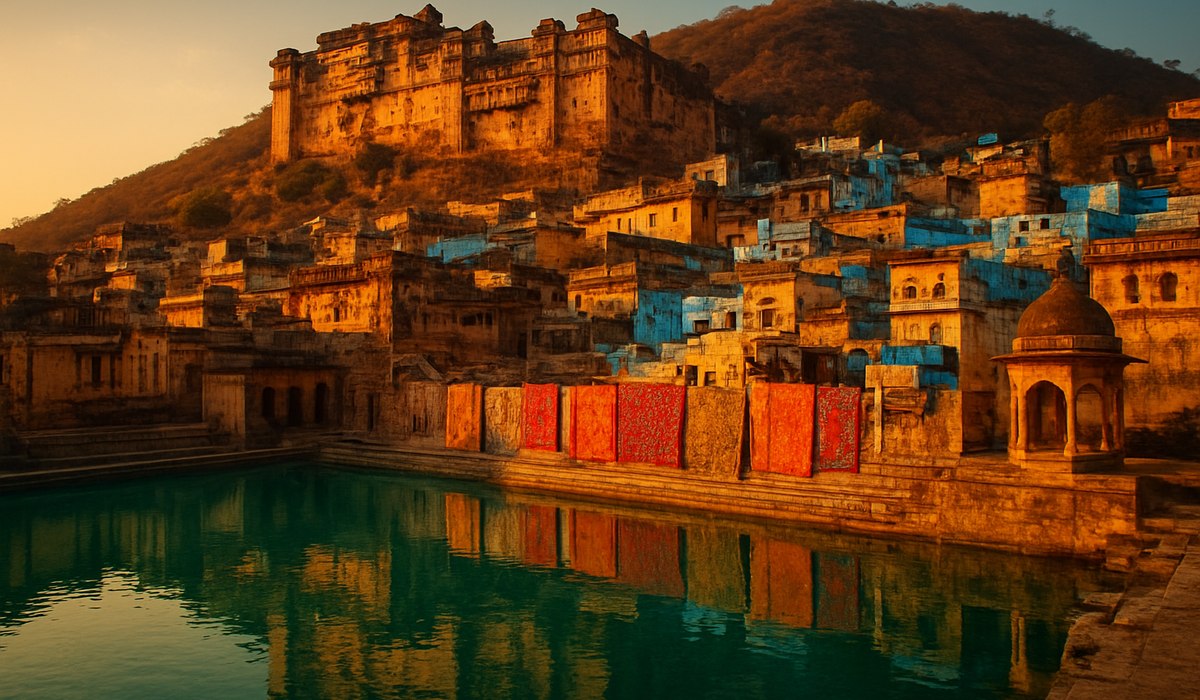
Image generated by AI
Rajasthan Tourism Department Launches Strategic Summer Initiative
The Rajasthan Tourism Department has officially rolled out an ambitious "Rajasthan in Summer" campaign designed to transform perceptions of off-season travel across the desert state. Announced on May 27, 2026, this large-scale initiative repositions Rajasthan as a viable year-round destination rather than a seasonal hotspot dominated by winter months. The campaign prioritizes immersive, experience-driven storytelling paired with comprehensive digital outreach to attract both domestic and international travelers during traditionally quiet months.
This strategic pivot addresses a longstanding challenge for the rajasthan tourism department: the concentration of visitor arrivals between October and March. Summer typically sees reduced tourism traffic due to extreme heat, creating economic gaps for hospitality and cultural sectors. The new initiative directly counters this seasonality by promoting compelling reasons to visit when fewer crowds converge on popular sites.
Rajasthan's Strategic Summer Tourism Pivot
The campaign centers on repositioning Rajasthan beyond its famous triangle of Jaipur, Jodhpur, and Udaipur. The rajasthan tourism department is channeling promotional resources toward lesser-known destinations that offer equally rich cultural experiences with substantially fewer visitors. This decentralization strategy benefits both travelers seeking authentic encounters and local communities in emerging tourism zones.
Marketing materials emphasize unique value propositions: cooler microclimates in certain regions, exclusive cultural festivals, and reduced accommodation costs during off-peak months. The rajasthan tourism department is collaborating with digital platforms and travel influencers to amplify these messages across international markets. Experience-focused content highlights culinary traditions, artisan workshops, and heritage stays that differentiate summer travel from crowded winter itineraries.
Budget allocations have increased for social media campaigns, content creation partnerships, and targeted advertising in key source markets including Europe, Southeast Asia, and major Indian metropolitan areas. The department estimates this coordinated approach could increase summer arrivals by 25-40 percent over the next two years.
Hidden Destinations Taking Center Stage
Bundi, a centuries-old walled town in southeastern Rajasthan, represents the campaign's flagship lesser-known destination. Known for its ornate stepwells, intricate havelis, and artistic heritage, Bundi remains largely undiscovered compared to Jaipur's popularity. The town's summer season offers pleasant evenings and opportunities to photograph dramatic cloud formations over medieval architecture. Visitors enjoy intimate interactions with local artisans and access to meticulously maintained palaces without navigating massive tourist crowds.
Barmer, located in western Rajasthan's desert heartland, exemplifies the department's commitment to authentic tourism experiences. This remote town specializes in traditional block printing, embroidery, and tribal crafts. Summer travelers can witness artisans at work, participate in textile-making workshops, and experience genuine Rajasthani village culture. Temperatures, while warm, remain manageable in comparison to other desert regions.
Udaipur, already well-known, is being rebranded through the summer lens as an ideal destination for water-based activities, evening cultural performances, and heritage hotel experiences. The campaign positions Udaipur's lakes as respites from heat, emphasizing boat tours, lakeside dining, and sunset photography opportunities. The rajasthan tourism department is promoting Udaipur's summer festival calendar as a differentiated draw from typical winter palace tours.
Additional destinations receiving promotional attention include Pushkar's spiritual tourism infrastructure, Khimsar's heritage properties, and Sajjangarh's historical significance. Each location offers climate-appropriate activities that align with summer travel patterns rather than requiring extensive outdoor walking during peak heat hours.
Experience-Driven Marketing and Digital Outreach
The rajasthan tourism department's summer campaign relies heavily on content marketing that prioritizes experiential narratives over traditional destination promotion. Rather than listing attractions, the department is funding documentary-style videos showcasing artisan interactions, cultural ceremonies, and immersive guest experiences. This storytelling approach resonates with travelers seeking meaningful connections rather than conventional sightseeing.
Digital outreach encompasses Instagram and YouTube collaborations with travel creators, targeted Google Ads campaigns, and Pinterest boards curated specifically for summer itineraries. The department has invested in virtual reality experiences allowing international travelers to preview destinations before booking. Email marketing campaigns highlight exclusive summer packages negotiated with heritage hotels, boutique guesthouses, and wellness retreats.
Partnership with established travel platforms including TripAdvisor has expanded the campaign's reach among Western travelers comparing seasonal options. The official Rajasthan Tourism Department website now features dedicated summer campaign sections with downloadable itineraries, live weather updates, and direct booking integrations with vetted hospitality providers.
Mobile app development priorities include real-time event calendars, cultural activity databases, and GPS-enabled heritage site information. The department recognizes that nomadic professionals and location-independent travelers require digital infrastructure supporting spontaneous decision-making and flexible itinerary adjustments.
Year-Round Travel Implications for Nomadic Professionals
This summer campaign carries significant implications for remote workers and location-independent professionals evaluating Rajasthan as a base. The rajasthan tourism department's positioning of off-season travel as premium experiences rather than discounted fallbacks attracts quality-conscious digital nomads. Reduced tourist congestion translates to better internet infrastructure prioritization, quieter workspaces within heritage hotels, and more authentic cultural experiences during working hours.
Summer's lower accommodation costs—frequently 30-50 percent below peak season rates—improve extended stay economics for remote workers managing monthly housing budgets. Long-term rental agreements with heritage properties become more negotiable when occupancy rates drop, potentially enabling stays of three to six months at reasonable cost structures.
The campaign's emphasis on wellness retreats, yoga centers, and meditation facilities directly addresses nomadic professional wellness priorities. Rajasthan's Ayurvedic traditions, offered extensively in summer with specialized retreat packages, appeal to health-conscious remote workers seeking productive destinations supporting physical and mental wellbeing.
Best Time to Visit
Summer in Rajasthan spans May through July, characterized by temperatures ranging from 35°C to 45°C in most regions. However, microclimatic variations significantly impact comfort levels. Bundi and higher-elevation areas around Mount Abu experience moderately cooler conditions, making them more accessible for visitors with heat sensitivity. Evening temperatures drop substantially across the state, creating comfortable hours for exploration between 6:00 PM and 8:00 AM.
The monsoon season beginning in July introduces dramatic atmospheric changes and landscape transformations. Green vegetation emerges across traditionally arid regions, and humidity increases alongside precipitation. This creates unique photographic opportunities but requires weather flexibility for outdoor activities.
Travelers seeking optimal summer conditions should target June and late July when cloud cover increases, reducing direct sun intensity. Early August marks the transition toward autumn, offering incrementally cooler temperatures while retaining monsoon benefits. The rajasthan tourism department's campaign specifically targets this extended summer window as the sweet spot for off-season visitation.
How to Get There
Jaipur International Airport serves as the primary gateway for international travelers heading to Rajasthan. Direct flights connect Jaipur to major Indian metros (Delhi, Mumbai, Bangalore) and international capitals (London, Dubai, Bangkok). Domestic carriers including IndiGo, SpiceJet, and Air India operate multiple daily services. Journey time from Delhi to Jaipur averages two hours.
Ground transportation within Rajasthan encompasses well-maintained highway networks and state-run bus services. Private car rentals with drivers remain the most practical option for flexible summer itineraries, allowing travel during cooler morning and evening hours. Journey times: Jaipur to Bundi (four hours), Jaipur to Barmer (eight hours), Jaipur to Udaipur (five hours).
Railway connectivity links major towns through Indian Railways' extensive network.
Disclaimer
This article is for informational and educational purposes only. It does not constitute legal, financial, or professional advice. While we strive to provide accurate and up-to-date information, travel policies, regulations, and conditions change rapidly. Always verify information with official sources before making travel decisions. Nomad Lawyer makes no representations about the accuracy, reliability, completeness, or suitability of the information provided. Readers should consult qualified professionals for advice specific to their circumstances. The views expressed in this article are those of the author and do not necessarily reflect the views of Nomad Lawyer.
Kunal K Choudhary
Co-Founder & Contributor
A passionate traveller and tech enthusiast. Kunal contributes to the vision and growth of Nomad Lawyer, bringing fresh perspectives and driving the community forward.
Learn more about our team →