
Railways boosts long-haul capacity with 50+ seasonal trains for 2026 summer
Indian Railways deploys seasonal special trains and extra coaches across 50+ long-distance services to manage peak summer travel demand on southern, eastern, and northeastern corridors throughout 2026.

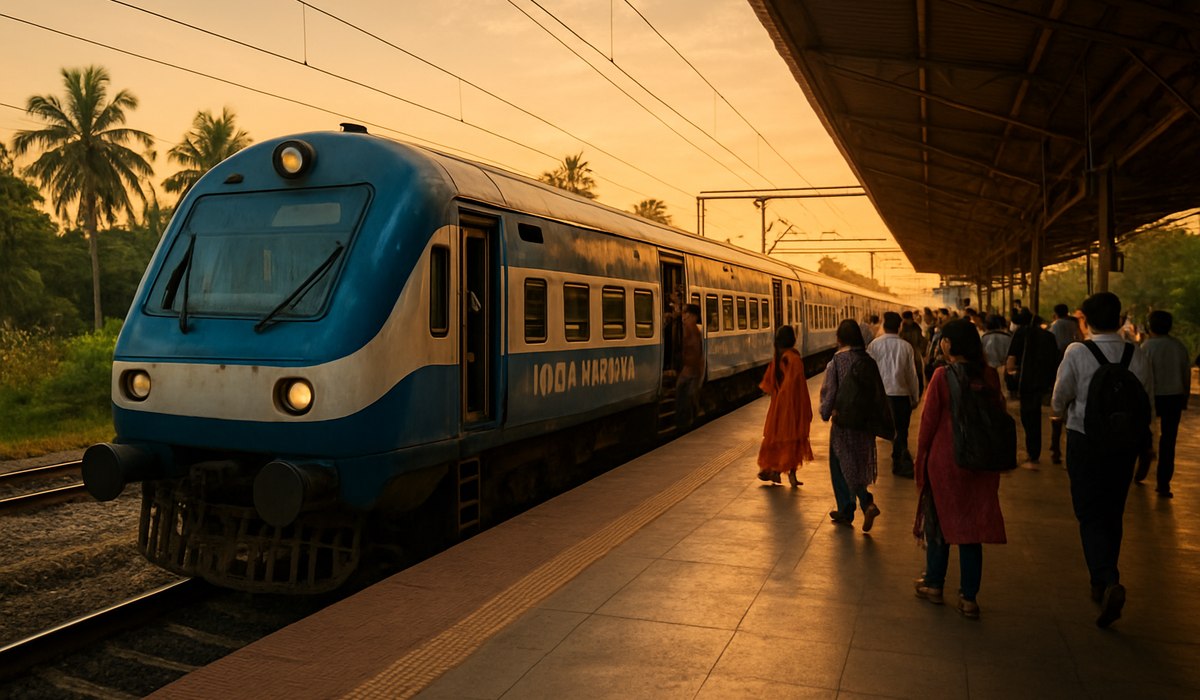
Image generated by AI
Indian Railways Expands Summer Capacity Across 50+ Long-Distance Services
Indian Railways is significantly bolstering its long-distance operations by deploying seasonal special trains and additional coaches across more than 50 services ahead of the 2026 summer travel season. The expansion targets high-traffic corridors linking southern India with eastern and northeastern regions, where demand traditionally surges during school holidays and festival periods. This strategic capacity boost ensures migrant workers, students, and leisure travelers have adequate seating on crucial inter-state routes without permanently restructuring the national rail network.
Summer Demand Drives Seasonal Expansion Strategy
The 2026 summer peak has prompted Indian Railways to adopt a flexible capacity model using seasonal specials rather than permanent schedule changes. This approach allows rail authorities to rapidly deploy additional trains and coaches during peak travel windows while retaining operational flexibility for other seasons.
Industry reports confirm that the busiest corridors—particularly those connecting southern metropolitan hubs with eastern cities—are experiencing near-saturation during April through June. By designating trains as seasonal specials, Indian Railways can match passenger flows to short-term demand fluctuations. This strategy avoids unnecessary resource allocation during low-demand periods while ensuring travelers find available berths during the critical holiday window.
The focus on summer expansion reflects passenger behavior patterns: school summer vacations, festival travel, and seasonal workforce movements create distinct demand spikes. Seasonal deployments prove more cost-effective than maintaining permanent extra capacity year-round. Rolling stock deployed as seasonal specials can be repositioned to other zones once peak demand subsides, optimizing the national fleet's utilization across all regions.
Bhubaneswar-Yesvantpur Corridor Gets Extended Service
The Bhubaneswar-to-Yesvantpur route represents a flagship example of Indian Railways' seasonal expansion strategy. This critical corridor connects Odisha's administrative capital with Bengaluru's tech hub, traversing Andhra Pradesh and Karnataka along its journey.
The special service on this route has been extended through late June 2026, providing continuous capacity relief during the peak summer window. The corridor serves diverse traveler segments: migrant workers returning home, students pursuing education in southern technology centers, and leisure passengers exploring India's peninsular regions. By maintaining extended service through June, Indian Railways ensures these passenger groups retain consistent connectivity without resorting to overbooked trains or canceled reservations.
The Bhubaneswar-Yesvantpur route's extension demonstrates how seasonal specials address geographic bottlenecks. Southern corridors, particularly those originating from tier-two cities in Odisha and eastern India, frequently experience acute capacity constraints during summer. Extended scheduling across this 1,800+ kilometer corridor helps distribute passenger loads more evenly while reducing strain on peak departure and arrival periods.
Extra Coaches Deployed Across 50+ Long-Haul Trains
Indian Railways' deployment of extra coaches represents the second pillar of its summer capacity strategy. More than 50 long-distance trains operating on April 2026 schedules have received additional seating and sleeper accommodation, with emphasis on services originating from or terminating in major southern and eastern hubs.
These extra coaches augment existing train configurations without requiring new locomotive assignments or permanent timetable revisions. The deployment strategy prioritizes routes operating near saturation: southern express services, eastern-to-northeastern connectors, and cross-country trunk routes carrying festival and holiday traffic. Operationally, adding extra coaches offers rapid capacity increases with minimal infrastructure modifications.
The extra coaches initiative extends particularly deep into peninsular services and northeast-bound trains. Services from cities like Bengaluru, Hyderabad, and Chennai gain additional capacity for onward connections to eastern metropolitan areas and the northeastern states. Similarly, trains departing from eastern hubs like Kolkata and Guwahati receive coach augmentation to accommodate the seasonal surge of northeastern-bound travelers.
This deployment methodology avoids permanent staffing increases while maintaining service quality through the critical summer window. Once peak season concludes, extra coaches return to marshaling yards for deployment on other routes or seasonal services, creating a flexible, demand-responsive network.
Flexible Capacity Solutions Without Permanent Schedule Changes
Indian Railways' 2026 summer strategy deliberately avoids permanent timetable alterations, instead relying on temporary capacity mechanisms that provide operational agility. This philosophy balances passenger accommodation against network efficiency and staff resource management.
Seasonal specials and coach deployments function as temporary interventions: they activate during identified demand peaks and deactivate once passenger flows normalize. This approach preserves the existing timetable's structural integrity while allowing rapid response to demand volatility. For travelers, the benefit is straightforward—seasonal services provide additional options during high-demand periods without the disruption associated with permanent service restructuring.
The flexibility inherent in this model also facilitates responsive capacity adjustments based on real-time demand data. If particular corridors experience unexpectedly high bookings, additional coaches or special trains can be rapidly deployed mid-season. Conversely, if demand proves lower than projected, Indian Railways can redirect rolling stock to higher-priority routes without contractual or scheduling conflicts.
This dynamic capacity framework proves particularly valuable across Indian Railways' vast network, where demand patterns vary significantly by geography, season, and socioeconomic factors. By maintaining flexibility, the network serves peak-season travelers equitably while optimizing resource deployment throughout the year.
Key Summer Capacity Expansion Data (2026)
| Route Corridor | Route Focus | Extra Coaches | Extended Service | Primary Passenger Base |
|---|---|---|---|---|
| Bhubaneswar–Yesvantpur | Southern Link | Yes | Through June 2026 | Migrant workers, students, leisure travelers |
| Howrah–Kamakhya (Vande Bharat Sleeper) | Eastern–Northeast Bridge | 12+ sleeper cars | Year-round | Business travelers, long-distance commuters |
| Agartala–Narangi | Northeast Internal | Yes | Weekly seasonal | Regional connectivity passengers |
| Tiruchchirappalli–New Jalpaiguri (Amrit Bharat) | South-to-Northeast Express | Yes | Weekly service | Budget-conscious long-distance travelers |
| Mangaluru–Tirunelveli | Southern Coastal Route | Yes | March–June 2026 | Inter-state commerce, leisure |
| 50+ Cross-Country Services | All major corridors | Seasonal deployment | April–June peak | Festival, holiday, school vacation traffic |
What This Means for Travelers
Indian Railways' 2026 summer expansion creates immediate advantages for long-distance passengers across southern, eastern, and northeastern corridors:
-
Increased availability: Seasonal specials and extra coaches significantly raise the probability of securing your preferred travel date without months-advance bookings. Peak-season flexibility improves substantially with 50+ services receiving capacity augmentation.
-
Route diversity: New services like the Tiruchchirappalli–New Jalpaiguri Amrit Bharat Express and extended Bhubaneswar–Yesvantpur schedules create multiple routing options, allowing you to optimize for fare, departure timing, or comfort preferences across identical origin-destination pairs.
-
Accommodation choices: Extra coaches include varied accommodation types—air-conditioned sleepers, general seating, and non-AC compartments—enabling passengers across different budgets to find suitable options even during peak demand periods.
-
Reduced congestion: Distributed capacity across seasonal specials and augmented trains prevents the overbooking scenarios common during traditional peak periods, enhancing onboard comfort and reducing cancellation-related disruptions.
-
Extended booking windows: Services extended through late June 2026 provide predictable scheduling for summer vacations and festival travel, eliminating last-minute availability pressures that characterize compressed seasonal windows.
-
Northeast accessibility: New and extended long-distance routes—particularly the Vande Bharat Sleeper Express and Agartala–
Disclaimer
This article is for informational and educational purposes only. It does not constitute legal, financial, or professional advice. While we strive to provide accurate and up-to-date information, travel policies, regulations, and conditions change rapidly. Always verify information with official sources before making travel decisions. Nomad Lawyer makes no representations about the accuracy, reliability, completeness, or suitability of the information provided. Readers should consult qualified professionals for advice specific to their circumstances. The views expressed in this article are those of the author and do not necessarily reflect the views of Nomad Lawyer.
Raushan Kumar
Founder & Lead Developer
Full-stack developer with 11+ years of experience and a passionate traveller. Raushan built Nomad Lawyer from the ground up with a vision to create the best travel and law experience on the web.
Learn more about our team →