Quebec Canada Reveals Eight Secret October Escapes That Outshine the Usual Autumn Trail

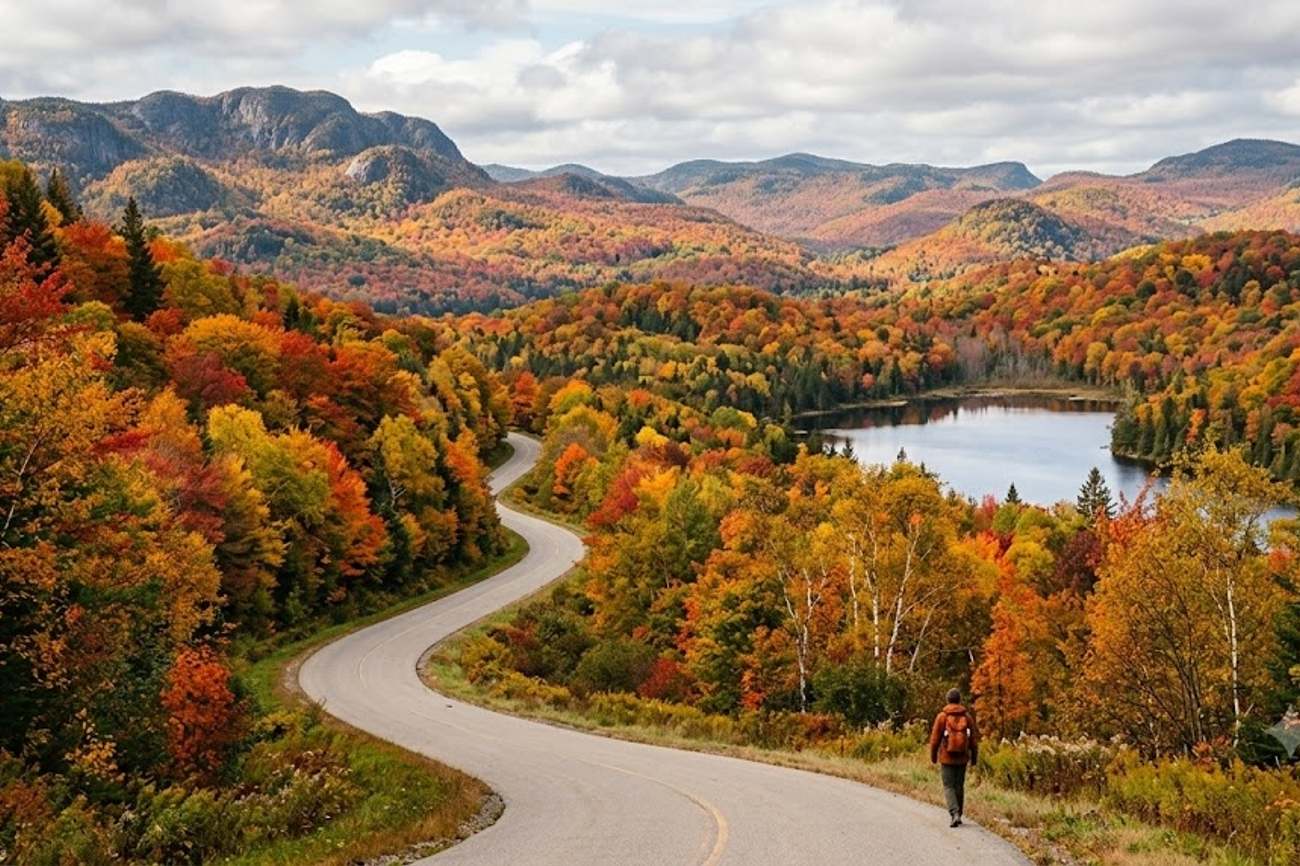
Image generated by AI
[Quebec City, October 2024] — Quebec is aggressively pivoting its autumn tourism strategy to divert international travelers away from saturated hubs like Montreal and the Laurentians toward under-visited rural corridors.
The shift aims to mitigate "overtourism" in primary cities by promoting a "slow travel" model across the province's western, coastal, and northern territories. By highlighting regions such as Témiscamingue, Mauricie, and Gaspésie, provincial tourism efforts are now prioritizing the distribution of travel spending into small-town economies and the promotion of "shoulder-season" activities that extend beyond traditional leaf-peeping.
The Shift Toward Rural Dispersion
The immediate trigger for this strategic pivot is the seasonal imbalance of Quebec's tourism economy. While Montreal and Quebec City experience extreme congestion during the October foliage peak, remote regions remain underutilized despite possessing similar or superior natural assets.
Provincial authorities and local tourism boards are now positioning the "quiet Quebec" as a premium alternative. This strategy focuses on three primary drivers:
- Economic Decentralization: Moving tourist dollars from corporate hotels in urban centers to independent inns, family-run farms, and local guides in the periphery.
- Capacity Management: Reducing the physical pressure on the most famous viewing points in the Laurentians to improve the visitor experience.
- Product Diversification: Transitioning the "Autumn Story" from a purely visual experience (foliage) to a multi-sensory one involving gastronomy, astronomy, and wilderness adventure.
Regional Impact and Target Zones
The following regions are now identified as the primary alternatives for October travel, each offering a distinct value proposition to the traveler:
| Region | Primary Draw | Key Asset/Location | Traveler Profile |
|---|---|---|---|
| Témiscamingue | Isolation & Calm | Western Quebec border | Road-trippers, solitude seekers |
| Abitibi-Témiscamingue | Wilderness Adventure | Parc national d’Aiguebelle | Hikers, photographers |
| Charlevoix | Gastronomy | St. Lawrence River valley | Foodies, luxury slow-travelers |
| Mauricie | Water-based Nature | Parc national de la Mauricie | City-to-city transit travelers |
| Bas-Saint-Laurent | Coastal Aesthetics | Le Bic / Rimouski | Couples, wildlife observers |
| Gaspésie | Rugged Road Trips | Forillon National Park | Long-distance drivers |
| Mont-Mégantic | Astrotourism | Dark-Sky Reserve | Astronomy enthusiasts |
Practical Traveler Advisory and Strategic Insights
For the modern nomad or tourist, this shift in promotion translates to a change in how trips must be booked and executed. The transition from "city-centric" to "region-centric" travel carries specific logistical implications:
1. Logistical Flexibility is Mandatory Travelers can no longer rely on the high-frequency transit and service density found in Montreal. In regions like Gaspésie or Témiscamingue, services—including dining, fuel, and lodging—may operate on reduced seasonal hours during late October. Independent verification of opening times via local operators is now a necessity.
2. Shift in Spending Patterns The "Food-First" model being implemented in Charlevoix encourages travelers to engage with artisanal producers (cheese, cider, and craft spirits) rather than standardized restaurant chains. This means a higher reliance on cash or local payment methods in smaller hamlets.
3. Equipment Requirements Moving toward the "Wild Adventure" profile of Aiguebelle or the coastal mists of Le Bic requires a higher standard of gear. Travelers are advised to prioritize moisture-wicking layers and professional-grade hiking footwear, as weather in these remote zones fluctuates more violently than in the urban corridors.
4. The "Stop-Over" Strategy The promotion of Mauricie—which boasts 17,500 lakes—is a direct attempt to break the "express route" between Montreal and Quebec City. Travelers are now encouraged to add 48 to 72 hours to their itinerary to incorporate these nature stops, effectively slowing the pace of the journey.
The Future of Quebec's Shoulder Season
The long-term goal is to transform October from a "peak" month into a "sustainable" month. By promoting the Government of Quebec's diverse regional offerings, the province is attempting to build a year-round tourism infrastructure that doesn't collapse under the weight of a three-week foliage rush.
The integration of "Dark-Sky" tourism at Mont-Mégantic is a key part of this future. By selling the night sky, Quebec is incentivizing overnight stays in rural areas, which directly increases the "average spend per visitor" for local B&Bs and restaurants that previously only saw daytime traffic.
As the climate continues to shift, the timing of the "peak color" varies. The promotion of coastal regions like Le Bic ensures that even if the inland forests peak early, there is still a viable, visually stunning product for late-October arrivals.
FAQ: Quebec Rural Travel 2024
Is it safe to drive to remote regions like Témiscamingue in October? Yes, but vigilance is required. Road conditions can change rapidly due to early frosts or rain. Travelers should monitor official provincial road reports and ensure vehicles are equipped for cooler temperatures.
Will all attractions be open in Gaspésie during late October? No. Many seasonal services, including some park facilities and small-town boutiques, reduce hours or close entirely by the end of the month. Always check the official Parks Canada website for Forillon's current status.
What is the best way to experience the Mauricie region? The most effective approach is a multi-day stop-over between Montreal and Quebec City. Focus on the Parc national de la Mauricie for non-motorized water activities and use Trois-Rivières as a base for urban exploration.
How does the "Dark-Sky" experience at Mont-Mégantic work? It combines traditional hiking and rural lodging with guided astronomy. To maximize the experience, visitors are encouraged to book overnight stays to avoid the drive back to cities and to experience the reserve's minimal light pollution.
Quebec is no longer just a destination for a photo; it is becoming a destination for a pace.
Related Travel Guides
This article is for informational purposes. Flight routes, passenger regulations, visa rules, and transit advisories are subject to change by airlines and aviation authorities. Readers are advised to verify schedules and travel documentation with relevant carriers and border agencies before departure.
Related Stories
Melbourne Airport Unveils AU$500 Million T2 Baggage Upgrade: Traveler Guide 2026
12 Beautiful Cities in Germany That Reddit Travelers Prefer Over the Most Famous Tourist Stops