
Qatar Tourism Surges in 2026 With 2.338 Million International Visitors Through August

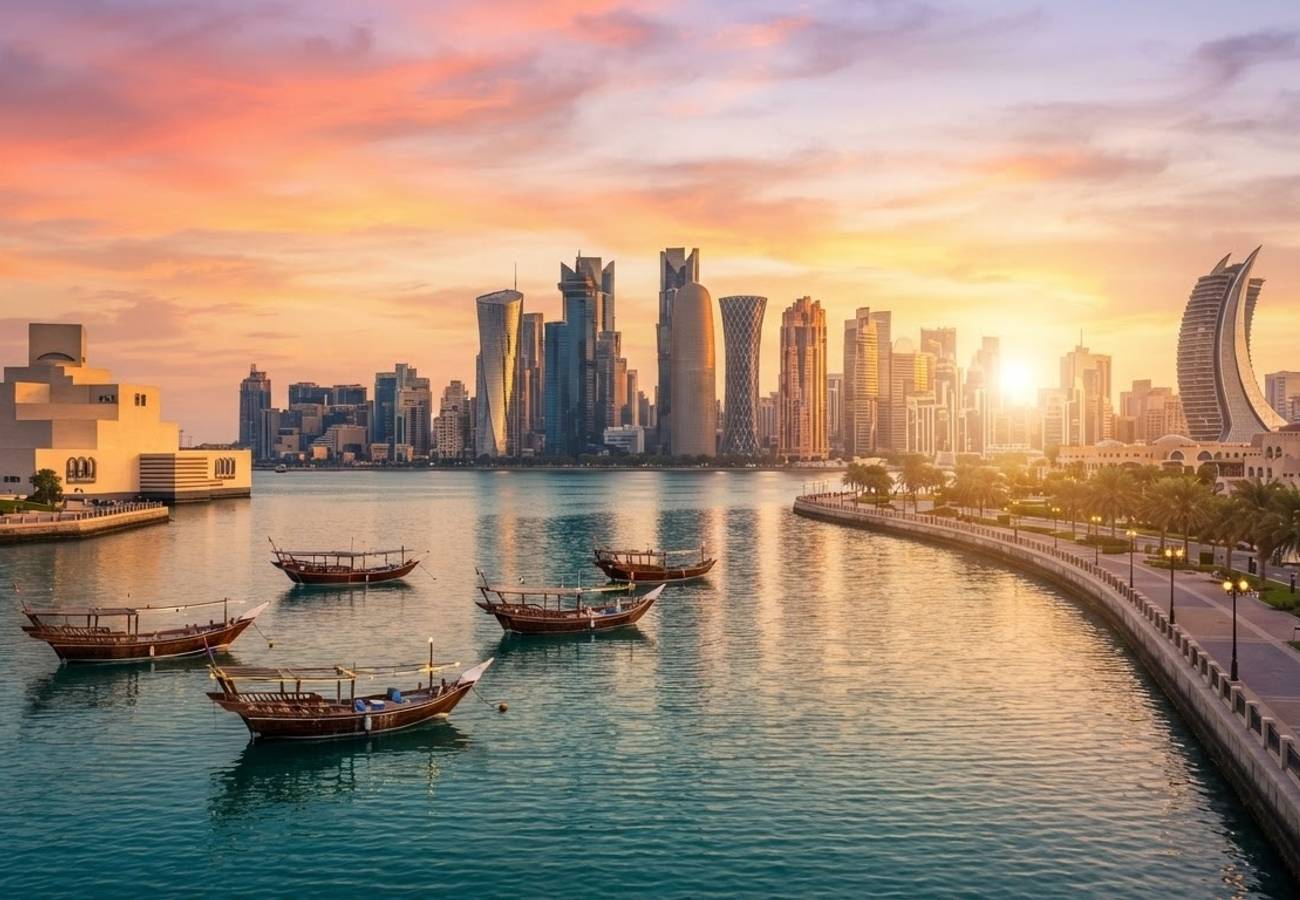
Image generated by AI
Qatar has welcomed 2.338 million international visitors between January and August 2026, marking a significant acceleration in its global appeal. GCC travellers remain the primary engine of growth, contributing 958,000 arrivals.
The Gulf nation is currently experiencing a powerful expansion phase, shifting from a transit-heavy hub to a primary destination. Data from Qatar Tourism reveals that the country is successfully diversifying its visitor base, reducing reliance on regional neighbors by attracting nearly equal numbers of travellers from Asia and Europe.
The 2026 Visitor Breakdown
The surge in arrivals is distributed across several key global markets, highlighting a strategic shift in how the world perceives the destination. While the GCC remains the dominant force, the growth in long-haul markets indicates a rising interest in Qatar's luxury hospitality and cultural infrastructure.
| Source Region | Visitor Arrivals (Jan-Aug 2026) | Percentage of Total |
|---|---|---|
| GCC Countries | 958,000 | 41% |
| Asia and Oceania | 489,000 | 20.9% |
| Europe | 486,000 | 20.8% |
| The Americas | 169,000 | 7.2% |
| Other Arab Countries | 162,000 | 6.9% |
| Other African Markets | 73,000 | 3.1% |
| Total | 2.338 Million | 100% |
The momentum continued into late summer, with August 2026 recording 303,000 international visitors. This represents a 6.3% increase over July's 285,000 arrivals, proving that the destination is maintaining traction even during traditionally challenging weather windows.
Cultural and Environmental Value
For the visitor, the real impact of this growth is the visible investment in sustainable, high-end infrastructure. Qatar is no longer just a stopover; it is a curated experience. The shift toward attracting more European and Asian travellers has pushed the destination to enhance its cultural offerings, blending ultra-modern architecture with heritage preservation.
The expansion is supported by a strategic focus on "stopover holidays," where transit passengers are encouraged to integrate short-term stays into their itineraries. This model supports the local economy by distributing tourist spend across boutique museums, traditional souks, and eco-conscious resorts. By leveraging its position as a gateway between the East and West, Qatar is creating a tourism ecosystem that prioritizes high-value, low-impact experiences.
Visitor Insider Tips
To make the most of a visit during this high-growth period, travellers should consider these local nuances:
- The Golden Window: To avoid the extreme heat and the peak crowds of the August surge, plan visits between November and March. This is when outdoor cultural festivals and desert excursions are most viable.
- Cultural Etiquette: While Qatar is highly welcoming to international tourists, dressing modestly in public areas—especially when visiting the Souq Waqif or government buildings—is a sign of respect and is highly appreciated by locals.
- Hidden Gem: Beyond the luxury malls, explore the Katara Cultural Village for a mix of art galleries and amphitheaters that offer a quieter alternative to the city center.
- Local Flavor: Seek out "Machboos" (a spiced meat and rice dish) at local eateries rather than hotel restaurants for a more authentic taste of Qatari heritage.
Tourism Outlook
The long-term trajectory for Qatar suggests a permanent move toward a diversified tourism economy. By investing heavily in transportation networks and world-class hospitality, the nation is insulating itself against regional volatility. The nearly identical arrival numbers from Asia (489,000) and Europe (486,000) suggest that Qatar has successfully branded itself as a global crossroads.
As the destination continues to evolve, the focus will likely shift toward sustainable tourism and the promotion of off-the-beaten-path experiences to ensure that the infrastructure can handle the increasing volume without compromising the visitor experience.
Qatar is rapidly redefining the Middle Eastern travel experience, evolving from a business hub into a global cultural powerhouse.
Related Travel Guides
This article is for informational purposes. Flight routes, passenger regulations, visa rules, and transit advisories are subject to change by airlines and aviation authorities. Readers are advised to verify schedules and travel documentation with relevant carriers and border agencies before departure.
Related Stories
Qatar Tourism Reports 2.95 Million International Arrivals in First 10 Months of 2026
Bahrain and UAE Form Gulf Coalition to Counter Soaring Oil Prices as Strait of Hormuz Tensions Threaten Regional Travel and Energy Supply
