
Qantas Cuts 5% Domestic Capacity as Middle East Fuel Tensions Drive Australian Airfare Surge in 2026
Qantas reduces domestic flights by 5% amid jet fuel price spikes linked to Middle East geopolitical tensions, forcing Australian travelers to book early and expect higher fares on Sydney-Melbourne and Brisbane-Perth routes.

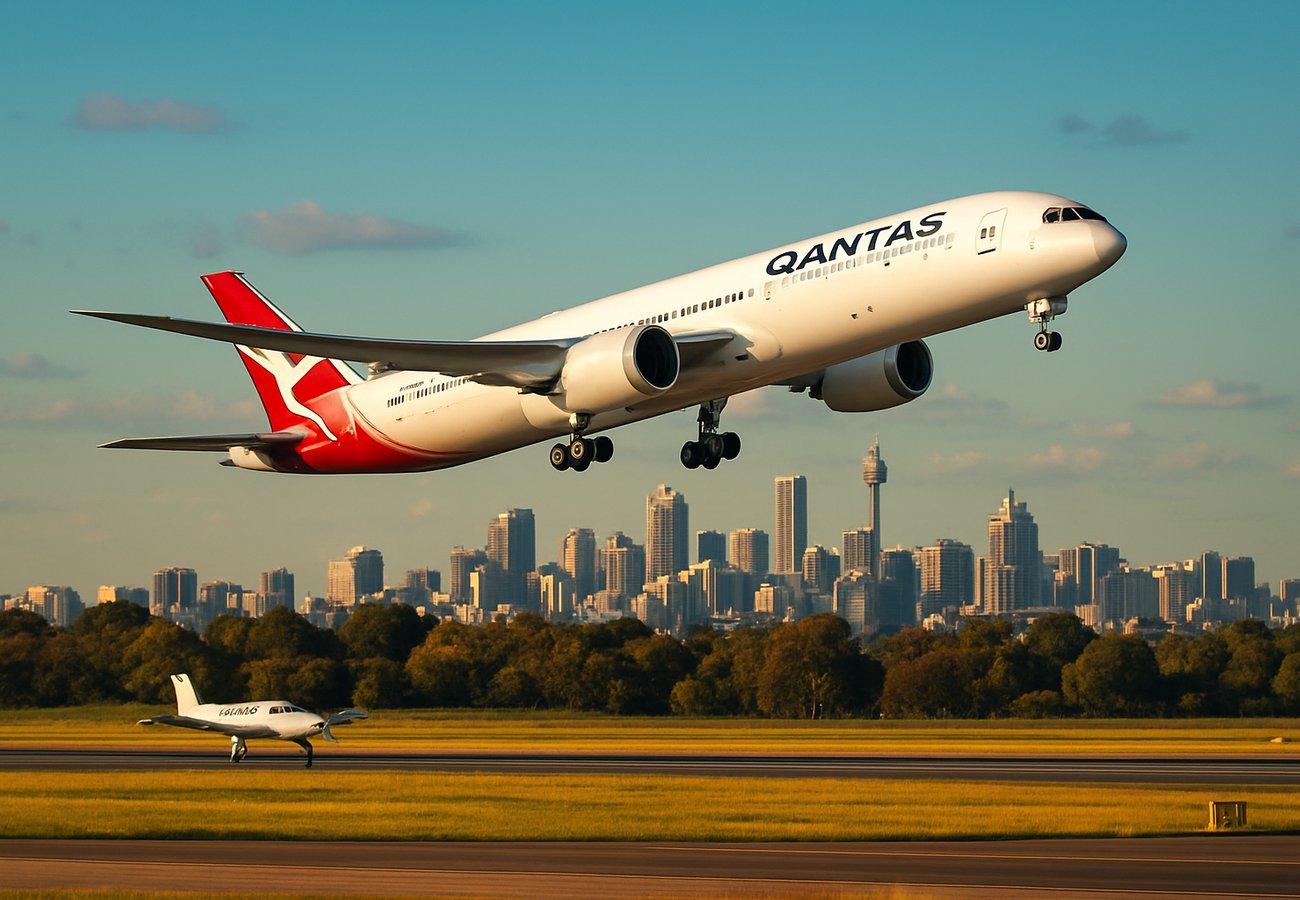
Image generated by AI
Australia's Domestic Aviation Market Faces Capacity Constraints and Rising Fares
Qantas is fundamentally reshaping Australia's domestic travel landscape by reducing flight capacity by approximately 5% while simultaneously raising ticket prices to offset surging global jet fuel costs. The price increases are directly linked to escalating geopolitical instability in the Middle East, a region critical to global oil supply chains. This strategic adjustment is already impacting key routes connecting Sydney, Melbourne, Brisbane, and Perth, reshaping both business travel patterns and leisure tourism demand.
For travelers and tourism stakeholders alike, the move signals a recalibration of airline economics in a volatile energy environment. As airfare trends shift upward, industry observers are watching closely to assess how Australia's domestic tourism sector adapts to tightening capacity and higher travel costs.
Capacity Cuts Meet Cost Pressures: Understanding the Strategic Airline Reset
Qantas' decision to reduce domestic capacity is rooted in a familiar but intensifying challenge: jet fuel price volatility. Aviation fuel, which typically accounts for 20%–30% of an airline's operating costs, has surged due to supply uncertainties tied to Middle Eastern tensions.
Recent global benchmarks indicate that Brent crude oil prices have climbed significantly, triggering a corresponding rise in aviation turbine fuel (ATF). Airlines, including Qantas, are responding by adjusting capacity to maintain profitability while avoiding excessive operational losses.
Rather than flooding the market with discounted seats, the airline is pulling back supply—a move that naturally pushes fares upward. This reflects a broader industry trend where airlines prioritize yield management over volume growth, as documented by the International Air Transport Association (IATA).
Fare Increases Across Key Australian Routes
Travelers across Australia are already beginning to feel the impact. Routes linking major urban hubs are witnessing gradual fare increases, particularly during peak travel periods:
- Sydney–Melbourne
- Brisbane–Perth
- Melbourne–Adelaide
The pricing shift is not uniform but is more pronounced in:
- Business-heavy corridors, where demand remains resilient
- Holiday travel windows, including school vacations and long weekends
- Last-minute bookings, where limited seat availability drives premium pricing
This dynamic is reshaping how both corporate and leisure travelers plan their trips, with early bookings becoming increasingly essential.
Tourism Sector Faces a Pricing Ripple Effect
Australia's domestic tourism industry, which saw strong recovery momentum post-pandemic, may now encounter a period of recalibration. Higher airfares can influence travel behavior in several ways:
- Shorter trip durations as travelers aim to offset higher transport costs
- Shift toward regional road trips instead of flights
- Increased interest in budget-friendly accommodations and packages
Tourism operators in destinations like Queensland's Gold Coast or Tasmania may need to adjust pricing strategies and promotional campaigns to maintain visitor numbers. At the same time, premium travel segments—luxury resorts and high-end experiences—may remain relatively insulated due to less price-sensitive clientele.
Global Fuel Dynamics: Why the Middle East Matters
The Middle East plays a pivotal role in global energy markets, supplying a substantial share of the world's oil. Any geopolitical disruption in this region tends to trigger immediate reactions in oil prices.
Recent tensions have:
- Heightened concerns about supply chain disruptions
- Increased insurance and transport costs for oil shipments
- Led to speculative trading that further inflates prices
For airlines like Qantas, which rely heavily on imported fuel, these external shocks translate directly into higher operating expenses. The impact is monitored continuously through platforms like FlightAware, which tracks real-time aviation data globally.
Smart Travel Strategies in a High-Fare Environment
Book Early and Monitor Fare Trends
Airfares are expected to climb closer to departure dates due to reduced seat availability. Advanced bookings can secure comparatively lower prices. Setting up fare alerts on airline websites and travel booking platforms allows travelers to identify optimal booking windows.
Be Flexible with Travel Dates
Flying mid-week or during off-peak hours can significantly reduce ticket costs. Avoiding peak travel periods—school holidays, long weekends, and major events—can yield substantial savings.
Consider Alternative Airports
Exploring nearby airports or secondary routes may offer better deals. For example, flying into Melbourne instead of Sydney or vice versa might provide more competitive pricing.
Leverage Loyalty Programs
Frequent flyer points and airline rewards can help offset higher fares. Qantas Frequent Flyer members should maximize point accumulation and redemption strategies.
These strategies are becoming increasingly relevant as airlines adopt more disciplined capacity management.
Corporate Travel and Airline Economics: A Delicate Balance
Business travel remains a critical revenue driver for Qantas. Despite higher fares, corporate demand has shown resilience, particularly in sectors such as mining, finance, and government services.
However, companies are also:
- Tightening travel budgets
- Encouraging virtual meetings where feasible
- Negotiating corporate fare agreements with airlines
This creates a complex balancing act for airlines, which must maintain profitability without alienating high-value business clients.
Domestic Aviation Outlook: Stability or Further Adjustments?
Industry analysts suggest that Qantas' capacity reduction may not be an isolated move. Other carriers could adopt similar strategies if fuel prices remain elevated.
Key trends to watch include:
- Potential further fare increases if fuel costs continue rising
- Gradual normalization if geopolitical tensions ease
- Increased focus on fuel-efficient aircraft and sustainable aviation fuels (SAF)
Australia's aviation market, while resilient, is closely tied to global economic and energy conditions, making it sensitive to external shocks. The UNWTO (United Nations World Tourism Organization) continues to monitor how such disruptions affect global travel patterns.
What This Means for Travelers
The current scenario marks a pivotal shift in how domestic travel is priced and consumed in Australia. Airlines are clearly signaling a move away from aggressive expansion toward cost control and profitability.
For leisure travelers: Plan trips well in advance, remain flexible with dates, and consider alternative routes or airports to secure better fares.
For business travelers: Negotiate corporate rates with Qantas and explore virtual meeting alternatives where feasible to manage travel budgets.
For tourism operators: Develop value-driven packages and promotional strategies to sustain visitor demand despite higher airfares.
A Turning Point for Travel Planning in Australia
The current scenario marks a pivotal shift in how domestic travel is priced and consumed in Australia. Airlines are clearly signaling a move away from aggressive expansion toward cost control and profitability.
For travelers, this means adapting to a new reality where cheap last-minute flights become rarer, and planning ahead becomes essential. For tourism stakeholders, it underscores the need for innovative offerings and value-driven experiences to sustain demand in an environment of constrained capacity and elevated fares.
Related Travel Guides
Disclaimer
This article is for informational and educational purposes only. It does not constitute legal, financial, or professional advice. While we strive to provide accurate and up-to-date information, travel policies, regulations, and conditions change rapidly. Always verify information with official sources before making travel decisions. Nomad Lawyer makes no representations about the accuracy, reliability, completeness, or suitability of the information provided. Readers should consult qualified professionals for advice specific to their circumstances. The views expressed in this article are those of the author and do not necessarily reflect the views of Nomad Lawyer.
Kunal K Choudhary
Co-Founder & Contributor
A passionate traveller and tech enthusiast. Kunal contributes to the vision and growth of Nomad Lawyer, bringing fresh perspectives and driving the community forward.
Learn more about our team →