
Flight Attendant Prepare Aircraft: 30-Minute Turnaround Safety Protocol
Flight attendants balance critical safety procedures with passenger service to prepare aircraft for departure in under 30 minutes. Discover the hidden protocols behind cabin crew operations in 2026.

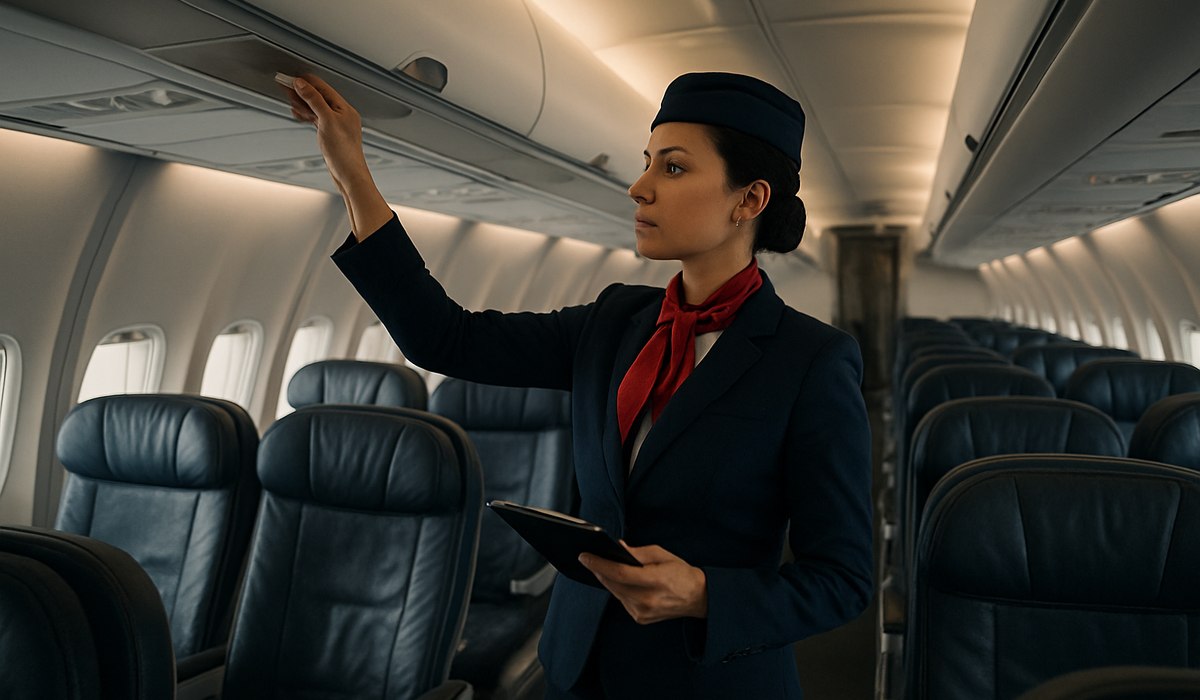
Image generated by AI
How Flight Attendants Prepare Aircraft in 30-Minute Turnarounds
Flight attendants balance safety compliance with passenger service to prepare aircraft for departure in remarkably tight timeframes. Between scheduled flights, cabin crews execute rigorous safety and service protocols that passengers rarely witness. The 30-minute aircraft turnaround represents a critical operational window where crew members prioritize passenger and aircraft safety above all else. This compressed timeline demands precision, coordination, and strict adherence to regulatory requirements that define modern airline operations.
The Hidden Safety Role Behind the Service
Most travelers perceive flight attendants primarily as hospitality professionals. In reality, flight attendants prepare aircraft using comprehensive safety protocols that supersede passenger comfort considerations. Before any beverage service or seat reassignment occurs, crew members conduct systematic safety inspections of emergency equipment, oxygen systems, and evacuation routes.
Safety equipment checks include verifying that all oxygen masks function properly, emergency slides deploy correctly, and fire extinguishers remain accessible. Flight attendants confirm that emergency exit rows have no obstructions and that all safety cards are properly positioned in seat pockets. These inspections directly support Federal Aviation Administration (FAA) compliance requirements documented in airline operations manuals. The FAA establishes baseline safety standards that all carriers must exceed through their internal procedures.
Step-by-Step Aircraft Preparation Process
The aircraft preparation sequence follows a strict order regardless of airline or aircraft type. Upon arrival, the flight attendant crew first secures the cockpit and conducts exterior walkarounds to identify visible damage or maintenance concerns. Next, cabin crew members begin interior systematic walkthroughs, checking every lavatory for hazardous materials or maintenance issues.
During this critical phase, flight attendants prepare galleys for service by restocking beverages, snacks, and meal components. Simultaneously, crew members sanitize lavatories, restock supplies, and verify lighting functionality throughout the cabin. Seat back pockets receive safety cards and magazines; armrest tables are tested for proper operation. Once interior preparations conclude, crew members conduct final safety briefings where they review emergency procedures specific to the outbound flight.
Ground service personnel coordinate with cabin crews to remove waste, refuel aircraft, and load baggage. Flight attendants confirm boarding door operability and verify that all emergency equipment remains within access zones. This phase typically consumes 20–25 minutes of the available 30-minute window.
Challenges and Time Pressures in Cabin Crew Operations
Modern airlines operate increasingly tight aircraft turnaround schedules to maximize revenue and efficiency. Flight attendant teams prepare aircraft under mounting pressure to meet departure times while maintaining zero-compromise safety standards. These competing demands create occupational stress that industry experts have documented in crew fatigue studies.
Weather delays often compress already-tight turnaround windows, forcing crews to accelerate procedures without eliminating essential safety checks. Mechanical issues discovered during preparation can extend turnarounds unpredictably, requiring crews to troubleshoot while preparing for the next flight simultaneously. International flights introduce additional complexity through customs, immigration, and deep cleaning requirements that extend preparation timelines.
Equipment shortages—such as insufficient ground support vehicles or maintenance personnel—regularly delay cabin crew operations. Training deficiencies among ground crews sometimes necessitate flight attendants supervising or repeating tasks to ensure compliance with airline procedures. These operational realities contrast sharply with the public perception that airline preparation is merely cosmetic between-flight housekeeping.
Why Safety Protocol Comes First
Airlines prioritize safety protocols above commercial scheduling pressures through regulatory frameworks and internal accountability systems. The FAA mandates specific equipment checks before each flight departure; airlines cannot legally compromise these requirements for schedule adherence. Flight attendants carry personal liability when safety violations occur, creating individual accountability that transcends organizational pressure.
When safety procedures cannot complete within turnaround windows, crew members must notify pilots and dispatch personnel before departure authorization. This escalation process ensures that no aircraft departs with incomplete safety verification. Industry data shows that flight attendants prepare aircraft using consistent checklists across all major carriers, with documented compliance rates exceeding 99 percent.
Each airline maintains detailed audit systems tracking safety verification completion during aircraft turnarounds. These records become critical during accident investigations and regulatory audits. Flight attendants understand that shortcutting safety procedures could result in catastrophic failures—making safety-first protocols non-negotiable regardless of operational pressure.
Key Aircraft Turnaround Operations Data
| Operation Component | Typical Duration | Safety Priority | Regulatory Requirement |
|---|---|---|---|
| Cockpit Securing & Exterior Walkaround | 3-5 minutes | Critical | FAA Part 121.427 |
| Emergency Equipment Verification | 4-7 minutes | Critical | FAA Part 121.417 |
| Cabin Interior Safety Inspection | 5-8 minutes | Critical | Airline Operations Manual |
| Galley & Lavatory Preparation | 6-10 minutes | High | FAA Part 121.411 |
| Seat & Armrest Functional Testing | 3-5 minutes | Medium | Airline Procedures |
| Final Safety Briefing & Briefing Preparation | 4-6 minutes | Critical | FAA Part 121.439 |
What This Means for Travelers
Understanding aircraft preparation timelines helps travelers recognize why boarding processes feel rushed and why pre-flight delays often affect departure times. When your flight experiences a 15–20 minute ground delay, cabin crews are likely conducting thorough safety verifications rather than boarding delays.
Traveler Action Checklist
-
Arrive early for flights to avoid contributing to compressed turnaround schedules that force crews to accelerate procedures unnecessarily.
-
Respect crew member instructions regarding safety procedures; their directiveness reflects regulatory requirements rather than personal preference.
-
Verify flight status using FlightAware to understand whether ground delays reflect necessary safety operations.
-
Review seat safety cards during boarding rather than contributing to pre-departure cabin congestion while crew members complete preparations.
-
Report maintenance concerns immediately to flight attendants; crew members use this information to trigger additional safety inspections before departure.
-
Accept boarding delays gracefully recognizing that safety verification timelines occasionally extend standard turnaround windows.
-
Allow crew adequate time between flights by boarding promptly and seating quickly to maximize preparation window availability.
FAQ: Flight Attendant Aircraft Preparation
Q: Can flight attendants skip safety checks to depart on time? No. FAA regulations mandate specific safety verifications before every departure. Airlines cannot legally compromise these requirements, and flight attendants maintain individual accountability for safety compliance. Skipping safety procedures would violate federal aviation regulations and potentially result in certificate revocation.
Q: How do international flights extend turnaround requirements? International flights require deep cabin cleaning, customs processing, and additional safety certifications that typically extend turnarounds to 45–90 minutes. Some international carriers implement crew changes between flights, requiring incoming crews to conduct full aircraft familiarization inspections in addition to standard preparation procedures.
Q: What happens if safety procedures cannot complete within 30 minutes? Flight crews notify pilots and dispatch personnel before departure becomes possible. Airlines delay flights rather than permit departure with incomplete safety verification. Safety completion always takes precedence over schedule adherence, even when delays require rebooking hundreds of passengers.
Q: Are turnaround procedures identical across all airlines? While FAA regulations establish baseline requirements, individual airlines implement additional procedures that exceed federal minimums. Regional carriers and budget airlines sometimes operate longer turnarounds (40–45 minutes) than major carriers, reflecting different fleet compositions and service models.
Related Travel Guides
Disclaimer
This article is for informational and educational purposes only. It does not constitute legal, financial, or professional advice. While we strive to provide accurate and up-to-date information, travel policies, regulations, and conditions change rapidly. Always verify information with official sources before making travel decisions. Nomad Lawyer makes no representations about the accuracy, reliability, completeness, or suitability of the information provided. Readers should consult qualified professionals for advice specific to their circumstances. The views expressed in this article are those of the author and do not necessarily reflect the views of Nomad Lawyer.
Preeti Gunjan
Contributor & Community Manager
A passionate traveller and community builder. Preeti helps grow the Nomad Lawyer community, fostering engagement and bringing the reader experience to life.
Learn more about our team →