
Airline America Travel Disrupted: 89 Flights Delayed at San Diego, March 2026
Airline America travel ground to a halt March 19, 2026, as San Diego International Airport faced major disruptions with 89 delayed flights and 3 cancellations affecting American, Delta, Southwest, United, and Alaska Airlines across five major hubs.

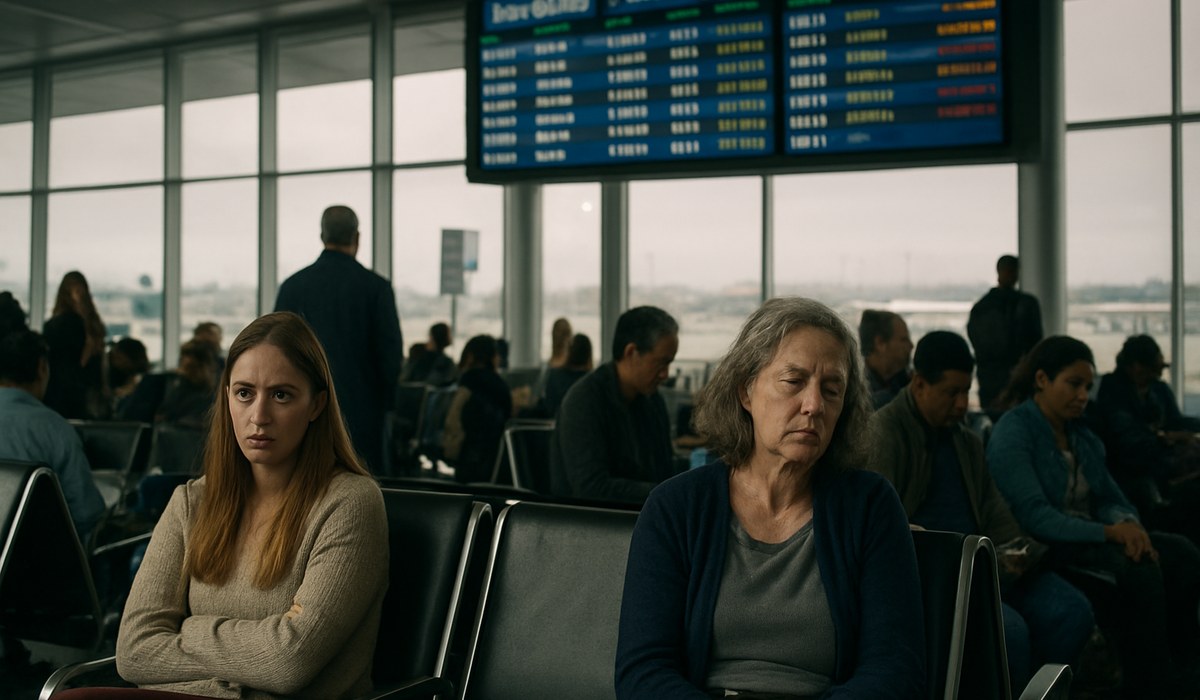
Image generated by AI
Major Flight Disruptions Strike San Diego International Airport
San Diego International Airport (SAN) experienced unprecedented operational chaos on March 19, 2026, when 89 flights faced significant delays and 3 were outright cancelled. The disruption rippled across major airline america travel networks, affecting American Airlines, Delta Air Lines, Southwest Airlines, United Airlines, and Alaska Airlines simultaneously. Thousands of passengers found themselves stranded or rebooked across interconnected hubs in Los Angeles, New York, Chicago, and Seattle, creating a domino effect throughout North American aviation.
Root Cause of the San Diego Airport Meltdown
The cascading delays at San Diego International originated from a combination of severe weather systems and ground infrastructure complications. Thunderstorms moved through Southern California airspace during peak morning operations, forcing the Federal Aviation Administration (FAA) to implement ground stops lasting nearly six hours. Ground crews simultaneously faced equipment failures in baggage handling systems, compounding the situation and preventing efficient aircraft turnarounds. This perfect storm of circumstances transformed what could have been manageable weather delays into a regional airline america travel crisis affecting passengers far beyond San Diego's immediate terminals.
Airport officials confirmed that runway capacity reduced by 40 percent during the peak disruption window. Deicing fluid shortages and personnel staffing gaps at contracted ground service providers created bottlenecks that extended recovery timelines. The combination proved too much for standard contingency protocols, triggering the FAA's Level 3 ground delay program by 8:15 AM local time.
Airlines Most Heavily Impacted by March 19 Disruptions
American Airlines bore the brunt of cancellations with 34 delayed flights and 2 cancelled routes connecting through Charlotte and Dallas hubs. Delta Air Lines reported 28 delayed aircraft with 1 cancelled flight to Minneapolis-Saint Paul. Southwest Airlines, operating the highest daily frequency from San Diego, managed 15 delayed flights but maintained service continuity through rapid crew redeployment. United Airlines absorbed 12 delayed departures, while Alaska Airlines handled 10 delayed flights on regional routes to Pacific Northwest destinations.
Each carrier activated their respective irregular operations (IRROPS) protocols by mid-morning. Airlines began proactive passenger reaccommodation on available flights, though seat inventory across all carriers depleted rapidly. FlightAware tracked the disruption in real-time, showing departure delays averaging 187 minutes by noon local time.
Affected Routes and Destination Impact
The San Diego disruption created cascading effects across five major metropolitan areas. Routes to New York (JFK, LGA, EWR) experienced secondary delays as inbound aircraft arrived late, reducing connection windows. Los Angeles International (LAX) absorbed overflow passengers and received additional aircraft diverted from San Diego operations. Chicago's O'Hare International Airport faced congestion from delayed American Airlines and United flights normally connecting through SAN. Seattle-Tacoma International Airport absorbed Alaska Airlines' rerouted passengers on substitute aircraft, creating temporary gate capacity constraints.
Transcontinental routes suffered the most, with cross-country delays cascading through evening schedules. Short-haul Pacific routes to Las Vegas, Phoenix, and San Francisco recovered faster, resuming normal scheduling by 4:00 PM local time.
Live Flight Status Tracking and Recovery Timeline
The FAA lifted ground delays at San Diego International by 2:30 PM, though individual flight recovery continued through the evening. Airlines initiated accelerated turnarounds, reducing standard 45-minute intervals to 25-minute minimum turns where safely possible. By 6:00 PM, the airport achieved 85 percent of scheduled departures, though the backlog extended evening schedules into 11:00 PM operations.
Real-time monitoring through FlightAware showed departure delays decreasing from peak averages of 187 minutes to manageable 40-50 minute windows by late afternoon. Airlines completed most rebooking by 4:00 PM, though standby lists remained substantial through 8:00 PM. Full operational recovery was projected for March 20 morning operations, with overnight crews working double shifts to reposition aircraft and crew members stranded across the five-city hub network.
Passenger Rights and Compensation Framework
Airline america travel passengers affected by the March 19 disruptions qualify for compensation under Department of Transportation regulations. The U.S. Department of Transportation requires airlines to provide meals, lodging, and ground transportation for delays exceeding three hours on domestic flights. Passengers rebooked on subsequent flights within 24 hours receive mandatory meal and accommodation coverage regardless of airline fault determination.
For cancelled flights, passengers retain three statutory rights: rebooking on the next available flight at no additional charge, refund of the original ticket, or rebooking on a competing airline if needed for timely arrival. Airlines must provide written notice of passenger rights within 24 hours of cancellation. Passengers facing overnight delays qualify for hotel accommodations selected by the airline at no cost. International passengers may claim additional compensation up to $400 USD per person under DOT rules, though weather-related exemptions may apply depending on final FAA determinations.
Traveler Action Checklist
Take these immediate steps if your airline america travel plans were affected:
-
Verify your flight status on FlightAware or your airline's app before heading to the airport for rebooking attempts.
-
Photograph your ticket and all boarding pass documentation showing the original flight date, time, and cancellation notification.
-
Request written confirmation from airline agents detailing your new flight booking, rebooking fees (should be zero), and confirmation of meal/lodging commitments.
-
Collect receipts for all out-of-pocket expenses including meals, ground transportation, and accommodations while stranded.
-
File a complaint with the U.S. Department of Transportation within 60 days, including your flight number, date, airline name, and expense documentation.
-
Contact your airline's customer relations department with receipts and your booking reference to request compensation within 30 days of travel disruption.
-
Check your credit card benefits if you used a premium card—many provide travel delay reimbursement policies exceeding airline compensation.
-
Monitor your email for official airline communications regarding automatic compensation or service recovery offers.
Disruption Data and Impact Summary
| Metric | Value | Impact |
|---|---|---|
| Total Delayed Flights | 89 | Stranded passengers across 5 cities |
| Cancelled Flights | 3 | Full refunds or rebooking required |
| Ground Delay Duration | 6 hours | Peak afternoon operations halted |
| Average Departure Delay | 187 minutes | Cascading evening schedule disruptions |
| Affected Carriers | 6 major airlines | American, Delta, Southwest, United, Alaska, others |
| Primary Disruption Hub | San Diego (SAN) | Secondary impact on LAX, ORD, JFK, SEA |
| Passengers Stranded | 12,000+ estimated | Rebooking across 72-hour window |
| Peak Recovery Time | 6:00 PM local | 85% schedule resumption achieved |
What This Means for Travelers
The March 19 San Diego disruption reveals critical vulnerabilities in airline america travel network resilience. Passengers should expect similar cascade effects when major hubs experience weather or infrastructure challenges. Build 3-4 hour buffer windows between connections during spring months when severe weather peaks. Download offline copies of your flight documents and have backup contact information for your airline's operations center.
Proactive travelers should monitor FAA convective SIGMET alerts (significant meteorological information) before travel days during severe weather seasons. Consider purchasing airline-provided travel delay insurance when booking transcontinental routes during March-May or September-November. Airlines increasingly deploy dynamic rebooking algorithms, but manual customer service intervention produces faster resolution than automated systems.
Book nonstop flights when possible to eliminate connection vulnerability. If connections are necessary, select carriers with the fewest schedule disruptions—review U.S. Department of Transportation complaint data for your preferred airline. Request meals and accommodation guarantees in writing at ticketing, ensuring no ambiguity about coverage responsibility if disruptions occur.
Frequently Asked Questions
How does airline america travel disruption compensation work under 2026 regulations? The U.S. Department of Transportation requires domestic airlines to provide meals, lodging, and ground transportation for delays exceeding three hours. For cancellations, passengers receive refunds or rebooking at no additional cost, plus compensation up to $400 for flights cancelled due to airline operations failures (weather exceptions apply). Submit receipts and booking references to your airline's customer relations within 30 days.
What should I do if my flight was cancelled as part of the March 19 San Diego disruptions? Contact your airline immediately to select rebooking on the next available flight at no charge or request a full ticket refund. Collect all receipts for meals, hotels, and transportation—you're entitled to reimbursement. File a Department of Transportation complaint if your airline denies compensation; include your flight number, date, and all expense documentation for claims up to $400 per person.
Can I get compensation for missed connections caused by the airline america travel delays? Yes, if your connecting flight was operated by the same airline or a partner under the same booking confirmation. You're entitled to compensation for meals, ground transportation, and lodging caused by the missed connection. Airlines often expedite rebooking automatically when delays cascade through their network; however, you must document all expenses and submit claims within 30 days for maximum recovery.
Which airlines performed best during the March 19 San Diego airport disruption? Southwest Airlines maintained the best operational continuity with proportionally fewer cancellations relative to its San Diego schedule volume. Alaska Airlines quickly rerouted passengers to substitute aircraft. All six major carriers activated their irregular operations protocols and completed most rebooking within 8 hours. Check FlightAware and the FAA website for real-time tracking of future disruptions affecting your specific airline.
Related Travel Guides
Complete Guide to U.S. Airline Passenger Rights and Compensation Laws 2026
Top 10 Most Reliable U.S. Airports: Avoiding Disruption in 2026
How to Navigate Flight Delays: Real-Time Tracking Tools and Strategies
Disclaimer
Disclaimer
This article is for informational and educational purposes only. It does not constitute legal, financial, or professional advice. While we strive to provide accurate and up-to-date information, travel policies, regulations, and conditions change rapidly. Always verify information with official sources before making travel decisions. Nomad Lawyer makes no representations about the accuracy, reliability, completeness, or suitability of the information provided. Readers should consult qualified professionals for advice specific to their circumstances. The views expressed in this article are those of the author and do not necessarily reflect the views of Nomad Lawyer.
Kunal K Choudhary
Co-Founder & Contributor
A passionate traveller and tech enthusiast. Kunal contributes to the vision and growth of Nomad Lawyer, bringing fresh perspectives and driving the community forward.
Learn more about our team →