
Qantas Slashes Flights and Hikes Fares Amid Middle East Fuel Crisis: Sydney and Melbourne Travel Chaos Looms in April 2026
Qantas cuts domestic flights and raises fares as Middle East tensions drive jet fuel costs toward billion-dollar impact on Australia's flagship airline and travelers.

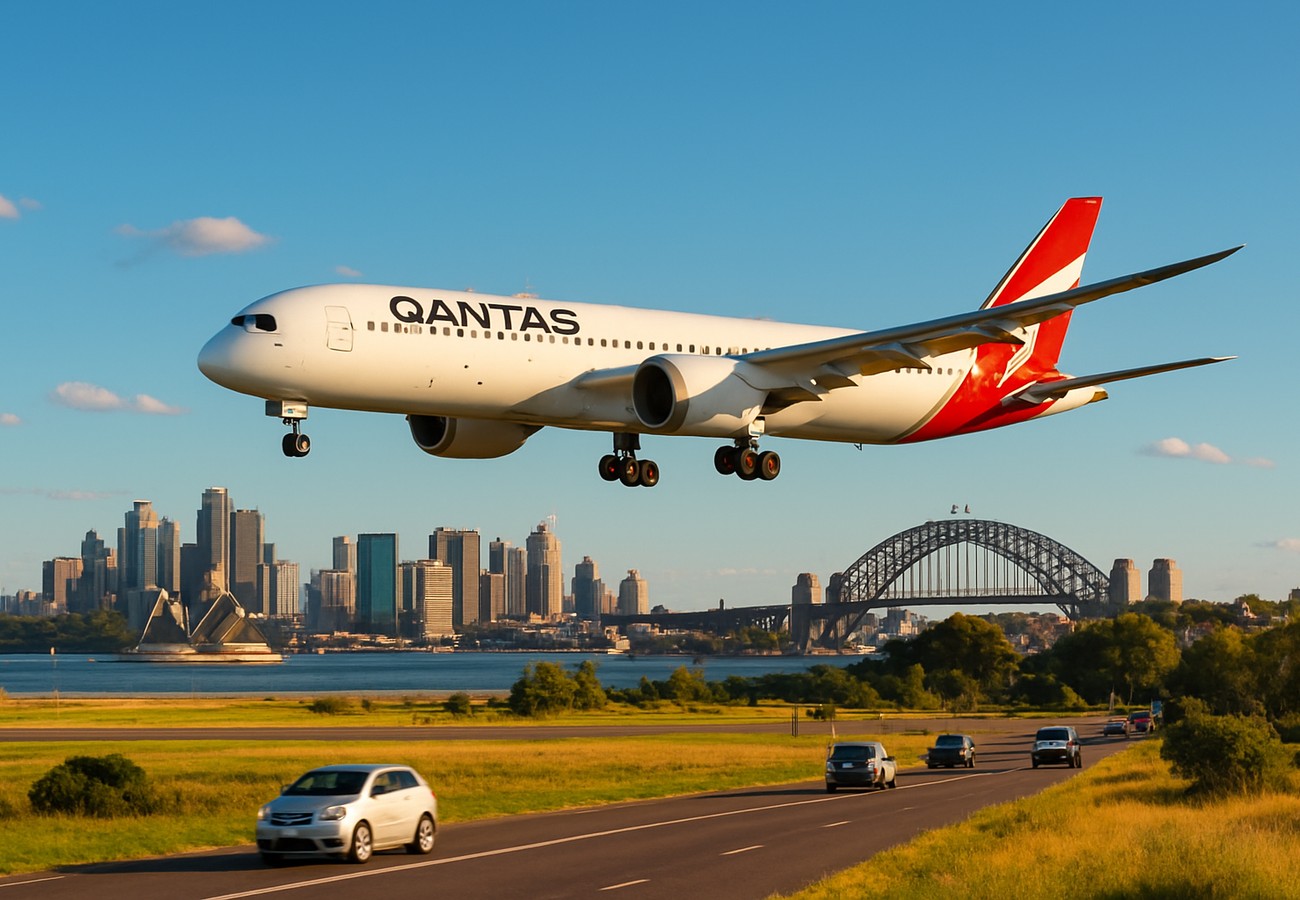
Image generated by AI
Qantas Responds to Geopolitical Turmoil with Significant Operational Changes
Australia's flagship carrier faces unprecedented challenges as Middle East tensions drive fuel costs to record levels, forcing the airline to restructure its domestic network and adjust pricing strategies.
Travelers across Sydney and Melbourne are bracing for significant disruptions as Qantas Airways, Australia's largest airline, announces substantial capacity reductions and fare increases in response to soaring jet fuel costs. The escalating geopolitical situation in the Middle East has created a perfect storm for the aviation industry, with fuel expenses threatening to cost the airline approximately one billion dollars in additional expenses.
The Fuel Crisis Impact: Understanding the Numbers
The surge in jet fuel prices represents one of the most serious operational challenges Qantas has faced in recent years. As tensions in the Middle East intensify, crude oil prices have climbed to unprecedented levels, directly translating to higher aviation fuel costs across the industry. The airline's financial projections for FY26 now reflect these dramatic cost increases, forcing management to make difficult decisions about capacity and pricing.
Qantas Group has provided updated guidance on its FY26 outlook, including:
- Fuel cost adjustments reflecting current market volatility
- Capacity changes across domestic and international routes
- Revised revenue forecasts accounting for reduced passenger volumes
- Strategic pricing adjustments to offset operational expenses
Domestic Flight Reductions and Service Changes
In response to the fuel crisis, Qantas and its subsidiary Jetstar have implemented significant reductions to domestic flight capacity. This restructuring affects major routes connecting Australia's primary business and leisure destinations, including services to regional centers that depend heavily on air connectivity.
The capacity reductions are expected to impact:
- Sydney to Melbourne corridor services
- Brisbane to Perth long-haul domestic routes
- Regional airport connections through QantasLink
- Peak-hour flight frequencies across major hubs
Fare Increases and Pricing Strategy
Beyond capacity cuts, Qantas has implemented what industry observers describe as "secret" fare hikes—strategic price increases that reflect the airline's need to maintain profitability amid rising operational costs. These increases apply across multiple fare classes and route categories, affecting both business and leisure travelers.
The pricing adjustments represent a significant shift in Qantas' revenue strategy, as the airline attempts to balance:
- Maintaining competitive positioning against Virgin Australia
- Recovering fuel surcharge costs from passengers
- Preserving market share during a period of reduced capacity
- Managing demand elasticity across different customer segments
Operational Disruptions Across Australian Airports
The impact of these changes has already manifested in operational disruptions at Australia's major airports. Recent data indicates:
- 385 delayed flights across Sydney, Melbourne, Brisbane, Perth, and Canberra
- 33 cancelled flights affecting hundreds of passengers
- Service interruptions involving Qantas, Jetstar, QantasLink, and Virgin Australia
- Passenger re-accommodations and rebooking challenges at peak travel times
One notable incident involved Qantas flight QF857 from Canberra to Perth, which was diverted to Adelaide due to an unexplained smell detected during flight. Passengers were re-accommodated, and operations resumed the following day.
Regional and International Implications
The fuel crisis extends far beyond Australia's borders. According to the International Air Transport Association (IATA), multiple countries are experiencing similar disruptions:
- New Zealand faces increased fares and route reductions
- Japan, South Korea, and India report significant travel disruptions
- Philippines airlines implement capacity cuts
- United States carriers adjust pricing strategies
- Singapore Airlines and Air New Zealand announce similar measures
This coordinated global impact demonstrates how Middle East geopolitical tensions create cascading effects throughout the international aviation network.
Project Sunrise: A Bright Spot Amid Challenges
Despite the current fuel crisis, Qantas continues advancing its ambitious Project Sunrise initiative. The airline's first A350-1000ULR aircraft, fitted with Rolls-Royce engines, has completed its rollout in Toulouse, France, marking significant progress toward launching non-stop flights between:
- Sydney and London
- Sydney and New York
- Additional ultra-long-range routes
This development represents a strategic investment in long-haul capacity that will eventually help Qantas compete more effectively in premium international markets, though near-term fuel costs continue to pressure profitability.
Safety and Infrastructure Developments
Beyond operational challenges, the aviation sector in Australia has also addressed safety concerns. The Australian Transport Safety Bureau (ATSB) launched an investigation into a China Airlines A350 ground incident at Melbourne Airport, highlighting the importance of robust aircraft handling protocols for wide-body operations. This investigation has prompted a comprehensive review of safety procedures for aircraft ground movements across Australian airports.
Additionally, Qantas, Singapore Airlines, Jetstar, and other carriers have unveiled groundbreaking digital advertising networks at Western Sydney International Airport (WSI), enhancing the passenger experience through innovative terminal technology.
Luxury Travel Segment Expansion
Despite capacity constraints in domestic operations, Qantas continues investing in premium offerings. The airline has joined Virgin Australia, Air New Zealand, Singapore Airlines, and Etihad Airways in developing Australia's first luxury aviation lounge at Gold Coast, positioning the facility as a must-fly destination for elite international travelers.
Connectivity Enhancements: Starlink Wi-Fi Rollout
Australia has joined South Africa, the UAE, Canada, the United States, Singapore, the United Kingdom, and Hong Kong in benefiting from Virgin Atlantic's accelerated Starlink Wi-Fi rollout. This expansion provides passengers with unrivaled connectivity from takeoff to landing, representing a significant quality-of-service improvement during a period of operational challenges.
What This Means for Travelers
The convergence of fuel crisis, capacity reductions, and fare increases creates a challenging environment for Australian travelers in 2026:
Immediate Impacts:
- Higher ticket prices across most domestic routes
- Reduced flight frequency on popular routes
- Longer booking windows for preferred departure times
- Potential for increased flight cancellations and delays
Strategic Recommendations:
- Book flights well in advance to secure better availability
- Consider alternative travel dates to avoid peak periods
- Monitor airline announcements for route changes and schedule updates
- Explore premium cabin options, as pricing dynamics may shift
- Verify all bookings directly with airlines before travel
Long-Term Outlook:
- Project Sunrise will eventually provide new ultra-long-range capacity
- Fuel prices may stabilize if geopolitical tensions ease
- Competitive pressure from Virgin Australia and international carriers may moderate fare increases
- Infrastructure improvements at Western Sydney International Airport will enhance connectivity options
Industry-Wide Implications
The Qantas restructuring reflects broader challenges facing the global aviation industry. According to FlightAware, global flight delays and cancellations have increased significantly in recent weeks, correlating directly with fuel price volatility and geopolitical uncertainty.
Airlines worldwide are implementing similar strategies:
- Capacity reductions on less profitable routes
- Fuel surcharges and dynamic pricing adjustments
- Fleet optimization and aircraft retirement acceleration
- Investment in fuel-efficient aircraft like the A350 and Boeing 787
Looking Ahead
Qantas Airways faces a critical period balancing immediate financial pressures with long-term strategic investments. The airline's ability to navigate the current fuel crisis while advancing Project Sunrise and maintaining service quality will determine its competitive position in the post-2026 aviation landscape.
Travelers should remain vigilant about schedule changes, fare adjustments, and operational disruptions while planning Australian travel. The situation remains fluid, with fuel prices and geopolitical developments continuing to influence airline operations and pricing strategies.
Related Travel Guides
Disclaimer
This article is for informational and educational purposes only. It does not constitute legal, financial, or professional advice. While we strive to provide accurate and up-to-date information, travel policies, regulations, and conditions change rapidly. Always verify information with official sources before making travel decisions. Nomad Lawyer makes no representations about the accuracy, reliability, completeness, or suitability of the information provided. Readers should consult qualified professionals for advice specific to their circumstances. The views expressed in this article are those of the author and do not necessarily reflect the views of Nomad Lawyer.
Kunal K Choudhary
Co-Founder & Contributor
A passionate traveller and tech enthusiast. Kunal contributes to the vision and growth of Nomad Lawyer, bringing fresh perspectives and driving the community forward.
Learn more about our team →