
Boeing Airbus Qantas: CEO Regrets Skipping 777 Development Partnership
Qantas CEO reveals he wished for a time machine to reverse the airline's decision to skip Boeing 777 orders despite being a key development partner in 2026. The strategic oversight has reshaped the carrier's fleet.

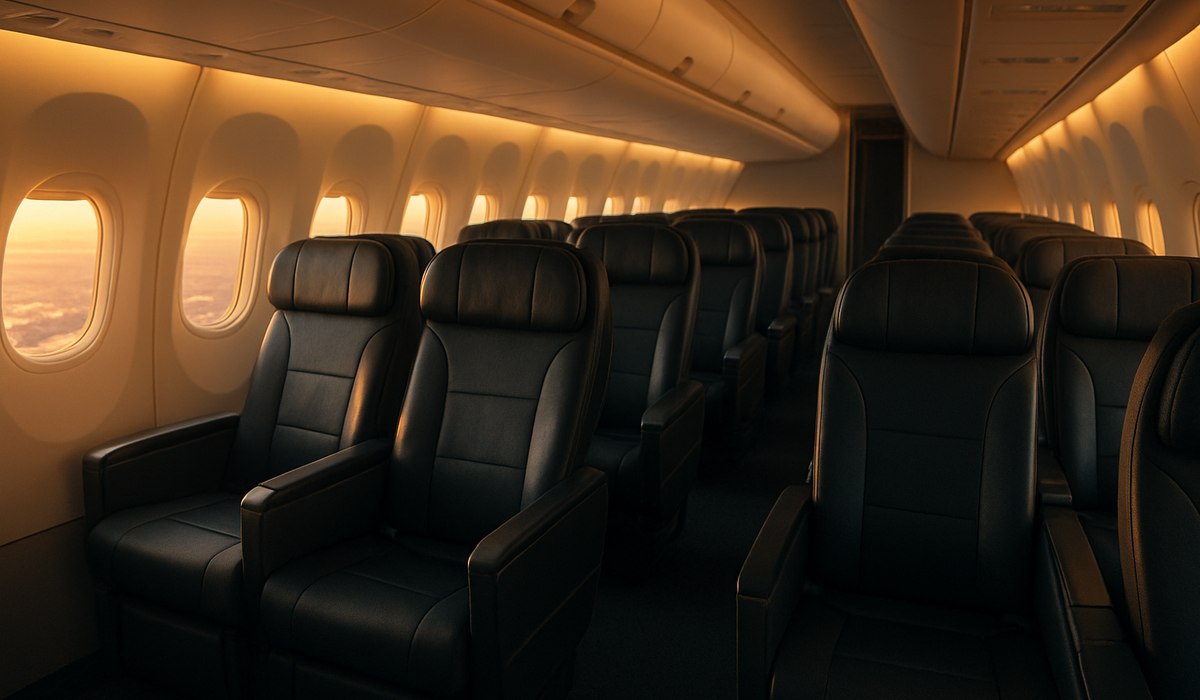
Image generated by AI
Qantas CEO's Candid Admission About Boeing 777 Partnership Misstep
Qantas Airways' Chief Executive recently revealed a significant strategic regret regarding the airline's decision to decline orders for the Boeing 777 and its successor, the 777X model. The Australian carrier served as one of eight major development partners during the 777's initial design phase, providing crucial feedback alongside American Airlines, British Airways, Cathay Pacific, Delta Air Lines, Japan Airlines, United Airlines, and All Nippon Airways. Despite this influential role in shaping the aircraft's specifications, Qantas ultimately never placed a single order for either variant. The CEO's public admission that he wished for a time machine to reverse this decision underscores the long-term competitive implications this choice has created within the global aviation industry.
This strategic miscalculation represents a pivotal moment in Qantas' fleet modernization timeline. While competing carriers reaped operational benefits from Boeing airbus qantas market dynamics, the Australian airline found itself without a modern widebody solution between its narrowbody and ultra-long-range fleet segments. The revelation sparked industry-wide discussions about strategic planning, risk assessment, and the consequences of passing on proven aircraft platforms.
Why Qantas Helped Design the Boeing 777 But Never Ordered It
The Boeing 777 represented a revolutionary advancement when launched commercially in 1995. Qantas' participation in the development consortium positioned the airline among select global carriers influencing this aircraft's design, performance parameters, and cabin configuration options. The airline contributed valuable operational insights based on its extensive Asia-Pacific route network and long-distance flying requirements.
However, Qantas' subsequent decision to abstain from 777 procurement puzzled industry analysts. Several factors likely influenced this choice: existing fleet commitments, budget allocation priorities, and perhaps confidence in alternative aircraft solutions becoming available. The 777X variant, developed decades later with advanced fuel efficiency and cabin technology, presented another opportunity that the airline similarly declined. This compounded the original strategic oversight, according to aviation experts monitoring fleet development across the Asia-Pacific region.
The Boeing airbus qantas competitive landscape created additional pressure during critical decision-making periods. As Airbus strengthened its widebody portfolio with the A350 and A380 variants, Qantas maintained its existing fleet composition rather than committing to major new aircraft purchases. This conservative approach, while financially prudent during certain economic cycles, ultimately limited the airline's modernization trajectory. Research fleet developments at FlightAware.
The Cost of Passing on the 777X and Fleet Modernization
Selecting against the 777X represented missed opportunities for operational efficiency gains. The 777X promised superior fuel economy, reduced maintenance requirements, and enhanced passenger comfort amenities. Airlines that embraced this aircraft gained competitive advantages in long-haul profitability and environmental performance metrics.
Qantas' fleet strategy consequently relied more heavily on existing widebody platforms, some approaching or exceeding their optimal service life cycles. The airline invested in cabin refurbishment and avionics upgrades to extend these aircraft's operational viability. Yet these modifications, while necessary, cannot fully replicate the inherent efficiency advantages offered by new-generation aircraft platforms.
The financial implications extended beyond acquisition costs. Operating older aircraft demands higher fuel consumption per passenger, increased maintenance labor hours, and greater environmental impact per revenue unit. Industry analysts estimated the cumulative cost of this strategic decision across multiple decades of operations. Competing carriers leveraging the Boeing airbus qantas platform advantages reduced their cost-per-seat-mile metrics, improving profitability during volatile fuel price periods and strengthening their market position in competitive international markets.
The CEO's wish for a time machine reflected genuine regret about these quantifiable operational and financial consequences facing the airline's long-term competitiveness.
How This Decision Shaped Qantas Fleet Strategy
Qantas' aircraft procurement patterns following the 777 rejection demonstrated adaptive strategies to address widebody capacity needs. The airline expanded its narrowbody operations on regional Asia-Pacific routes while relying on existing widebody fleets for premium long-haul services. This approach maximized utilization of current assets but constrained future growth flexibility.
The airline subsequently pursued alternative modernization pathways, including enhanced cabin configurations, digital infrastructure upgrades, and operational efficiency improvements. These initiatives partially offset competitive disadvantages stemming from older aircraft platforms. However, they represented reactive measures rather than proactive fleet transformation.
Contemporary fleet composition decisions now reflect lessons learned from the historical 777 decision. Qantas leadership emphasizes strategic foresight and long-term competitive positioning when evaluating next-generation aircraft partnerships. The boeing airbus qantas market dynamics increasingly inform capital allocation decisions, with decision-makers carefully weighing procurement opportunities against operational requirements and financial constraints.
Industry observers note that the airline's current fleet renewal initiatives deliberately incorporate newer aircraft platforms, suggesting organizational learning from earlier missteps. Executive statements increasingly emphasize the importance of timely strategic decisions when presented with proven technologies and market opportunities. Visit the FAA's official site for comprehensive aircraft certification information.
Industry Impact and Lessons Learned
The Qantas 777 decision created instructive case studies within aviation management programs globally. Business schools examine this situation as an example of strategic decision-making consequences, opportunity cost assessment, and competitive positioning dynamics. Airlines worldwide learned from this airline's experience when evaluating their own fleet modernization choices.
The incident underscores how partnership participation without corresponding procurement commitments can underutilize collaborative advantages. Development partners typically expect eventual aircraft orders reflecting their input contributions. Qantas' deviation from this pattern raised questions about decision-making criteria and strategic planning consistency.
The aviation industry responded by refining consortium partnership frameworks and establishing clearer expectations between manufacturers and development contributors. Boeing and other manufacturers adapted their partnership approaches to better align participant interests with procurement outcomes. This evolution reflected broader industry maturation regarding strategic relationships and mutual value creation.
For fleet planners evaluating the boeing airbus qantas competitive landscape today, this case study reinforces the importance of comprehensive financial modeling, competitive scenario analysis, and long-term strategic alignment. The CEO's public acknowledgment that better decision-making processes could have produced superior outcomes demonstrates organizational accountability and continuous improvement principles increasingly prevalent in aviation leadership circles.
Key Fleet and Strategic Data
| Metric | Detail |
|---|---|
| Development Partners | 8 major airlines collaborated on 777 design |
| Qantas Partnership Role | Full design consultation and feedback contributor |
| 777 Aircraft Ordered by Qantas | Zero units across both 777 and 777X variants |
| First 777 Commercial Flight | 1995 (30+ years of operational data available) |
| Boeing airbus qantas Competition | A350, A380 alternatives evaluated during decision period |
| Fleet Modernization Impact | Delayed competitive positioning in long-haul markets |
| CEO Accountability Statement | Public admission of strategic regret and wish for reconsideration |
| Industry Learning Value | Significant case study for aviation management education |
What This Means for Travelers
Qantas passengers should understand how fleet decisions directly affect travel experiences across comfort, reliability, and route availability dimensions. Here's what this strategic development means for those booking Australian airline flights:
Traveler Action Checklist
-
Verify aircraft type before booking — Check Qantas' fleet details on booking sites to understand which aircraft operates your specific route. Newer aircraft generally offer superior cabin conditions and entertainment systems.
-
Monitor airline modernization announcements — Follow Qantas press releases regarding fleet renewal initiatives. New aircraft deployments may improve service quality on your preferred routes.
-
Evaluate legacy aircraft comfort carefully — When booking older widebody aircraft, prioritize premium cabin options offering better amenities, seat dimensions, and meal services unavailable in standard configurations.
-
Consider route timing flexibility — Newer aircraft assignments often concentrate on premium routes during peak travel seasons. Flexible
Disclaimer
This article is for informational and educational purposes only. It does not constitute legal, financial, or professional advice. While we strive to provide accurate and up-to-date information, travel policies, regulations, and conditions change rapidly. Always verify information with official sources before making travel decisions. Nomad Lawyer makes no representations about the accuracy, reliability, completeness, or suitability of the information provided. Readers should consult qualified professionals for advice specific to their circumstances. The views expressed in this article are those of the author and do not necessarily reflect the views of Nomad Lawyer.
Preeti Gunjan
Contributor & Community Manager
A passionate traveller and community builder. Preeti helps grow the Nomad Lawyer community, fostering engagement and bringing the reader experience to life.
Learn more about our team →