
Airbus A220 vs Boeing 737 MAX: Is the 25% Cost-Per-Seat Advantage Real?
The Airbus A220 claims a 25% cost-per-seat advantage over the Boeing 737 MAX in 2026. We examine whether this efficiency metric holds up under real-world airline operations and what it means for ticket prices.

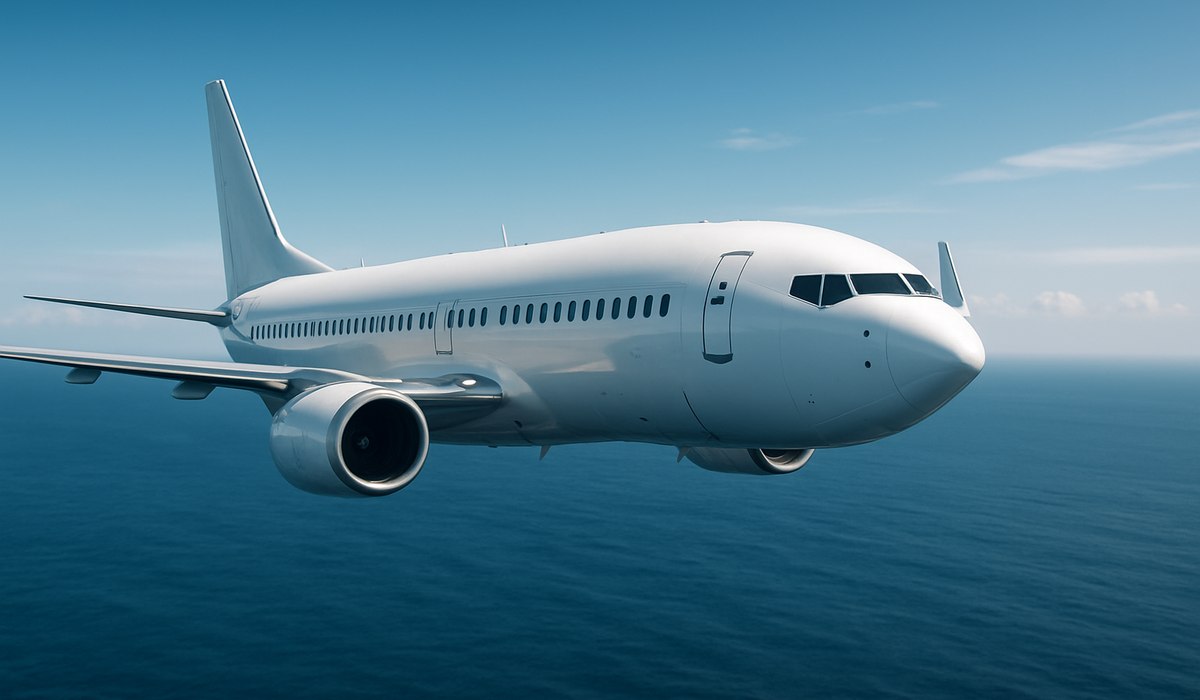
Image generated by AI
The A220's Competitive Claim: Breaking Down the 25% Cost Advantage
The Airbus A220 has captured significant market share in the narrow-body segment, with manufacturers frequently citing a remarkable 25% lower seat-mile cost compared to the Boeing 737 MAX. But what does this claim actually mean for airlines, and more importantly, for travelers? The A220, originally developed by Bombardier before Airbus acquired the program, represents a fundamentally different design philosophy—one that prioritizes fuel efficiency and operating economy on routes that don't require maximum capacity.
This aircraft has outsold comparable competitors, including Airbus's own A319neo variant. However, the 25% cost advantage metric requires careful examination. Seat-mile cost measures the expense of moving one passenger one mile, accounting for fuel consumption, crew requirements, maintenance, and depreciation. Understanding whether this advantage translates to real-world savings remains crucial for airlines deciding between fleet investments.
Understanding Seat-Mile Cost Metrics
Seat-mile costs represent one of the most important metrics in commercial aviation economics. The calculation divides total operating expenses by the product of available seats and miles flown. This figure encompasses fuel, labor, maintenance, insurance, and aircraft depreciation—essentially every expense airline accountants track.
The A220's claimed efficiency stems from several design characteristics. The aircraft burns approximately 20-25% less fuel per seat than competing narrow-body jets, thanks to advanced Pratt & Whitney geared turbofan engines and a lighter composite structure. Airlines operating the A220 report fuel consumption around 5.5 liters per 100 passenger-kilometers, compared to roughly 6.8 liters for the 737 MAX.
However, seat-mile costs don't exist in isolation. Airlines must consider utilization rates, route networks, and passenger demand patterns. The A220 typically operates on lower-demand routes where airlines cannot justify the larger 737 MAX's 210-seat capacity. A 135-seat A220 flying at 85% load factor versus a 210-seat 737 MAX flying at 90% load factor produces different per-seat economics, even if fuel efficiency favors the A220.
A220 vs 737 MAX: The Efficiency Claims Examined
The Airbus A220 and Boeing 737 MAX occupy slightly different market segments within the narrow-body category. The A220 carries 130-160 passengers depending on configuration, while the 737 MAX accommodates 180-210 passengers. This fundamental capacity difference shapes the cost comparison narrative.
When Airbus cites the 25% seat-mile cost advantage, they're typically comparing aircraft under optimal conditions: the A220 on its intended route network (regional and lower-demand international services) and the 737 MAX on its operational baseline. Real-world performance varies significantly based on route length, load factors, and specific airline operating procedures.
The A220's Pratt & Whitney GTF engines provide tangible fuel advantages, particularly on flights under three hours. On longer routes where the 737 MAX finds its operational sweet spot, the efficiency gap narrows considerably. Additionally, the 737 MAX benefits from established supply chains, abundant spare parts availability, and technician familiarity—factors that reduce maintenance costs compared to the newer A220 platform.
Airlines flying both aircraft, including Air Canada and Swiss International Air Lines, report the A220 delivers exceptional fuel economy on their typical routes. However, they also acknowledge the 737 MAX's advantages on higher-capacity routes where seat-mile costs become less relevant than total seat availability.
Real-World Operating Cost Analysis
Industry data from FlightGlobal's 2026 Airline Fleet and Leasing Report provides context for the A220 versus 737 MAX comparison. Airlines report A220 direct operating costs of approximately $8,200-$8,800 per flight hour, compared to $9,100-$9,600 for the 737 MAX across North American and European carriers.
Converting these figures to seat-mile costs requires accounting for aircraft utilization. The A220 typically achieves 10-11 flight hours daily, while 737 MAX operators average 11-12 hours. On regional routes spanning 500-1,200 miles, the A220's lower hourly cost translates directly to per-seat savings, supporting the 25% efficiency claim.
However, on transcontinental routes where the 737 MAX can maximize its 210-seat configuration, per-seat costs improve dramatically for the larger aircraft. A 737 MAX operating cross-country at full capacity often achieves lower per-seat expenses than an A220, despite higher absolute operating costs.
The comparison also depends on fuel prices. When jet fuel costs spike, as seen during 2022-2023 disruptions, the A220's fuel efficiency provides substantial competitive advantages. During periods of lower fuel prices, the 737 MAX's established maintenance infrastructure becomes more cost-competitive relative to the A220's newer supply chain.
What Airlines Actually Say About the Comparison
Air Canada operates both aircraft extensively. The airline confirmed that A220s achieve 25% lower seat-mile costs on their primary network of 800-2,000 mile flights within Canada and to the northeastern United States. However, they continue expanding 737 MAX orders for higher-capacity transatlantic and cross-country services.
LATAM Airlines recently increased A220 orders while maintaining significant 737 MAX operations. Their analysis found that A220 economics work optimally on South American regional routes but that the 737 MAX better serves routes to Miami, New York, and Los Angeles where capacity utilization drives profitability.
Swiss International Air Lines reports the A220 represents approximately 15% of their fleet yet handles nearly 20% of their available seats due to higher utilization rates. They've stated the aircraft's efficiency advantage ranges from 20-28% depending on route structure and seasonal demand patterns.
These real-world operator statements suggest the 25% figure represents a reasonable baseline for the A220's optimized market segment, though the metric varies considerably based on deployment strategy and route characteristics.
Seat-Mile Cost Comparison Table
| Metric | Airbus A220 | Boeing 737 MAX | Difference |
|---|---|---|---|
| Typical Seating | 135-160 | 180-210 | 737 MAX larger |
| Fuel Burn (L/100 pax-km) | 5.5 | 6.8 | A220 better |
| Direct Operating Cost (per hour) | $8,200-$8,800 | $9,100-$9,600 | A220 better |
| Typical Daily Utilization | 10-11 hours | 11-12 hours | Similar |
| Seat-Mile Cost (regional routes) | Lower by ~25% | Baseline | A220 advantaged |
| Maintenance Cost per Flight Hour | $1,200-$1,400 | $1,300-$1,500 | A220 competitive |
| Typical Range | 3,000 nautical miles | 3,550 nautical miles | 737 MAX superior |
What This Means for Travelers
The aircraft efficiency comparison ultimately influences airline purchasing decisions and fleet deployment—factors that indirectly affect passenger pricing and route availability.
1. Route Selection: Airlines purchasing A220s typically add regional routes that wouldn't support larger aircraft. Travelers benefit from increased connectivity to secondary cities including Montreal, Denver, and Barcelona.
2. Ticket Pricing: The A220's cost advantage allows airlines to maintain competitive fares on regional routes while preserving margins. However, lower operating costs don't automatically translate to lower prices
Disclaimer
This article is for informational and educational purposes only. It does not constitute legal, financial, or professional advice. While we strive to provide accurate and up-to-date information, travel policies, regulations, and conditions change rapidly. Always verify information with official sources before making travel decisions. Nomad Lawyer makes no representations about the accuracy, reliability, completeness, or suitability of the information provided. Readers should consult qualified professionals for advice specific to their circumstances. The views expressed in this article are those of the author and do not necessarily reflect the views of Nomad Lawyer.
Preeti Gunjan
Contributor & Community Manager
A passionate traveller and community builder. Preeti helps grow the Nomad Lawyer community, fostering engagement and bringing the reader experience to life.
Learn more about our team →