
American Airlines First Class Downgrade Sparks Passenger Backlash in 2026
American Airlines faces renewed criticism after involuntarily downgrading a first-class passenger to Row 13 following an aircraft change. The 2026 incident highlights ongoing disputes over airlines first class policies and passenger compensation.

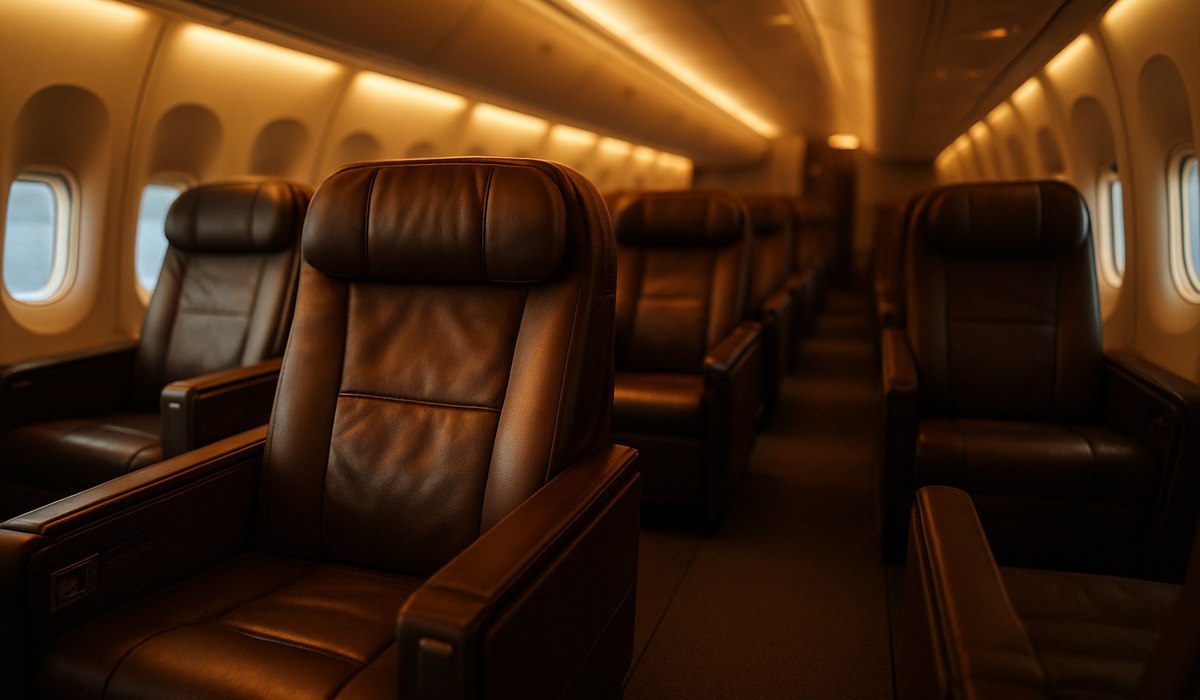
Image generated by AI
American Airlines Faces Backlash Over Involuntary First-Class Downgrade
American Airlines is confronting significant passenger backlash after allegedly downgrading a first-class ticket holder to Row 13 due to an unexpected aircraft substitution. The incident, which surfaced via social media in late April 2026, has reignited heated debate surrounding airlines first class policies and compensation standards. The affected passenger, who paid premium fares for premium cabin seating, was reassigned without adequate advance notice or compensation options, according to multiple accounts shared online.
This situation underscores persistent frustrations travelers experience when unexpected operational changes disrupt their paid upgrades and service expectations.
What Happened: The Involuntary Downgrade
The incident involved a passenger who purchased and confirmed a first-class reservation on an American Airlines flight. When the airline made an aircraft swap—a common operational practice—the replacement aircraft featured different cabin configurations with fewer first-class seats available.
Rather than offering the passenger rebooking options, seat compensation, or refund choices, American Airlines unilaterally reassigned the ticket holder to Row 13 in the economy cabin. The passenger received minimal notification and limited recourse before the change took effect.
The X post documenting this experience quickly gained traction, drawing criticism from travel advocates and frequent flyers who questioned why American Airlines didn't provide alternative solutions beforehand. The airline's handling of the reassignment sparked broader conversations about how carriers manage operational disruptions affecting premium cabin passengers. Many commenters highlighted the contrast between the premium price paid and the economy-class accommodation ultimately received.
Why Airlines Change Aircraft: Common Reasons
Aircraft substitutions occur for several legitimate operational reasons, though transparency remains a widespread complaint among travelers:
Maintenance Requirements: Scheduled or unscheduled maintenance on the original aircraft forces last-minute swaps. Airlines must prioritize safety compliance over schedule adherence.
Mechanical Issues: Unexpected equipment failures can ground aircraft, necessitating replacement aircraft from available inventory.
Passenger Demand: Airlines occasionally swap larger or smaller aircraft based on last-minute booking volume changes to optimize revenue and fuel efficiency.
Route Adjustments: Schedule modifications or regulatory requirements sometimes demand different aircraft capabilities or configurations.
Crew Logistics: Aircraft availability at specific terminals or crew scheduling conflicts can trigger substitutions hours before departure.
While these reasons are operationally valid, they don't automatically justify inadequate passenger communication or compensation policies. The American Airlines situation demonstrates how poor handling of these changes damages customer relationships and generates negative publicity. Carriers operating airlines first class cabins bear particular responsibility for managing premium passenger expectations during disruptions. When customers paid substantial premiums, they deserve transparent advance notice and meaningful compensation options when downgrades occur.
Passenger Rights and Compensation Options
The U.S. Department of Transportation establishes passenger protection standards that apply to domestic flights on American carriers. However, involuntary downgrades exist in a complex gray area with limited explicit federal protections.
Federal Baseline Protections: The FAA doesn't mandate specific compensation for involuntary downgrades, unlike overbooking scenarios. However, the U.S. DOT requires carriers to explain their policies clearly.
Airline Policy Variations: Most major carriers, including American Airlines, maintain internal policies addressing involuntary downgrades. These policies typically offer:
- Full refund of the upgrade price difference
- Monetary vouchers or travel credits
- Automatic reboking on alternative flights with original cabin class
- Mile or point credits to frequent flyer accounts
Consumer Advocacy Leverage: Passengers encountering involuntary downgrades should document everything and reference the airline's stated policies explicitly. Many carriers reverse unfair decisions when confronted with policy documentation and public attention.
Escalation Pathways: Filing complaints with the U.S. DOT creates an official record and sometimes prompts carrier response. Small claims court action becomes viable for significant financial losses involving first-class premium costs.
The American Airlines situation raised questions about whether standard downgrade policies applied or whether the carrier failed to follow its own procedures entirely.
Industry Standards for Seat Reassignments
Major American carriers maintain varying standards for managing involuntary seat reassignments affecting premium cabin passengers. Best-practice protocols include:
Advance Notice: Airlines should notify affected passengers minimum 24 hours before flights, allowing time for alternative arrangements.
Compensation Tiers: The cabin downgrade distance determines compensation levels. Moving from first-class to economy warrants substantially higher compensation than moving between premium economy sections.
Proactive Rebooking: Carriers should offer premium cabin seats on alternative flights within 24 hours rather than forcing economy downgrades.
Upgrade Priority: Passengers downgraded involuntarily receive priority status for complimentary upgrades on subsequent flights with the same carrier.
Choice Preservation: Industry leaders offer passengers meaningful choices: accept the downgrade with compensation, rebook on alternative carriers, or receive full refunds.
The American Airlines paid downgrade situation raised concerns about whether the carrier delivered on these industry standards. The lack of documented advance notice and apparent absence of meaningful compensation options suggested potential deviations from best practices.
Traveler Action Checklist
When facing an involuntary downgrade on airlines first class reservations, follow these steps to protect your rights and maximize compensation recovery:
1. Document Everything Immediately: Record flight numbers, times, original booking confirmations, gate announcements, and gate agent names on your mobile device. Request written confirmation of the downgrade reason and reassignment details.
2. Review Your Airline's Policy: Access your carrier's standard policies on involuntary downgrades before discussing compensation. Most airlines publish these policies online and reference them during negotiations.
3. Request Supervisor Escalation: Don't accept initial gate agent responses. Ask for supervisors or customer service managers empowered to authorize compensation decisions immediately at the airport.
4. Photograph Your Boarding Pass and Seat Assignment: Visual documentation of the downgrade becomes crucial evidence if you pursue formal complaints or claims later.
5. File a Written Complaint: Submit formal complaints to the airline's customer service department within 30 days, detailing what you paid, what you received, and your requested remedy. Keep copies of all correspondence.
6. Report to the DOT: File a consumer complaint with the U.S. DOT if the airline doesn't respond adequately within 30 days. Include all documentation demonstrating your paid premium fares and the downgrade circumstances.
7. Track Your Flight Status: Use FlightAware to monitor aircraft changes before arriving at the airport. Knowing about downgrades in advance gives you more negotiation leverage.
8. Preserve Evidence for Claims: Maintain all receipts, confirmations, boarding passes, and correspondence related to the incident. These materials support potential small claims court action for financial recovery.
Key Data Table
| Metric | Details |
|---|---|
| Incident Airline | American Airlines |
| Cabin Affected | First-class |
| Reassignment Destination | Row 13 (Economy) |
| Primary Cause | Aircraft substitution |
| Incident Timeline | Late April 2026 |
| Public Awareness Method | Social media (X/Twitter) |
| Federal Agency | U.S. DOT Consumer Protection |
| Industry Standard Compensation | Refund of upgrade cost + voucher or points |
| Passenger Documentation Tool | FlightAware |
| Federal Complaint Portal |
Disclaimer
This article is for informational and educational purposes only. It does not constitute legal, financial, or professional advice. While we strive to provide accurate and up-to-date information, travel policies, regulations, and conditions change rapidly. Always verify information with official sources before making travel decisions. Nomad Lawyer makes no representations about the accuracy, reliability, completeness, or suitability of the information provided. Readers should consult qualified professionals for advice specific to their circumstances. The views expressed in this article are those of the author and do not necessarily reflect the views of Nomad Lawyer.
Kunal K Choudhary
Co-Founder & Contributor
A passionate traveller and tech enthusiast. Kunal contributes to the vision and growth of Nomad Lawyer, bringing fresh perspectives and driving the community forward.
Learn more about our team →