
Puerto Rico Imposes Water Rationing in San Juan Amid Drought
Puerto Rico has instituted rotating 48-hour water shut-offs in San Juan as drought depletes reservoirs and forces National Guard mobilization.
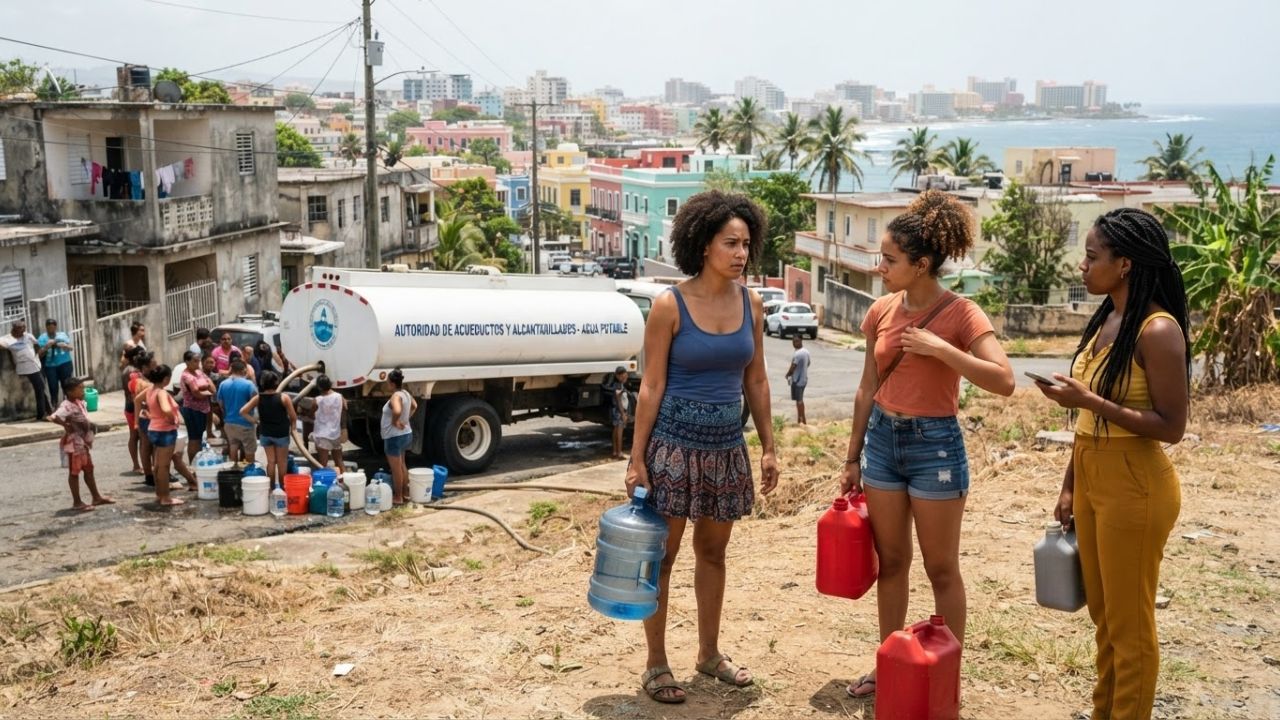
Image generated by AI
Puerto Rico has instituted rotating 48-hour water service shut-offs in San Juan as severe drought depletes the Carraízo reservoir.
The Core Transit Update
Public utilities and resource distribution channels are facing extreme operational pressures across the Caribbean. Puerto Rico has instituted structured emergency protocols and rotating 48-hour water service shut-offs in the capital of San Juan starting August 7, 2026.
Following the island’s driest July on record, which left the crucial Carraízo reservoir severely depleted, Governor Jenniffer González mobilized the National Guard to assist with water logistics. Safe drinking water is being systematically distributed to heavily impacted municipalities, including Loíza, Guaynabo, and Bayamón, as officials work to combat structural leakage and resource decay.
Rationing Schedules & Utility Performance Metrics
Managing travel and daily operations during water scarcity requires tracking municipal service schedules alongside environmental triggers. The following tables outline the local rationing parameters and water utility performance indicators.
| Affected Municipality / Zone | Rationing Schedule / Mechanism | Start Date of Measures | Primary Water Source |
|---|---|---|---|
| San Juan Capital District | Rotating 48-hour service cuts | August 7, 2026 | Carraízo Reservoir |
| Loíza Municipality | Tanker distribution schedules | August 7, 2026 | Local distribution networks |
| Guaynabo Municipality | Rotating water pressure cuts | August 7, 2026 | Carraízo Reservoir |
| Bayamón Municipality | Tanker distribution schedules | August 7, 2026 | Local distribution networks |
San Juan water rationing schedule and supply parameters (August 2026).
| Water System Parameter | Recorded Performance Level | Core Infrastructure Challenge | Key Relief Resource |
|---|---|---|---|
| July Precipitation | Driest July on record | Depleted Carraízo reservoir levels | National Guard water transport |
| Unbilled / Lost Water | 65% of total production | Decaying pipes & lack of upkeep | Municipal leakage repairs |
| Resort Utility Priority | High priority water allocation | Local community resource tension | Private water cistern systems |
Puerto Rico public water utility metrics.
Traveler Logistics Guide
From a ground-level perspective, the best way to navigate this is to confirm that your lodging provider utilizes independent cistern systems and has private water reserves, as major hotels in the Condado and Isla Verde tourist zones typically prioritize water allocation to keep guest facilities functional while residential neighborhoods face 48-hour service cuts. Checking resort utility status is recommended.
To plan your Caribbean visit:
- Track Water Rationing Schedules: If staying in private vacation rentals (such as Airbnb listings) in San Juan or Guaynabo, consult the Puerto Rico Aqueduct and Sewer Authority (PRASA) website to check when your sector’s taps will be deactivated.
- Conserve Water Resources: Practice strict water conservation. Limit shower times and turn off taps when brushing teeth to reduce strain on the island's depleted aquifers.
- Emergency Tanker Access: If your lodging lacks water, locate the nearest municipal water tanker distribution point in Loíza or Bayamón to fill clean drinking containers.
- Purchase Bottled Water: Maintain a 3-day supply of bottled drinking water in your hotel room. Local supermarkets and pharmacies are stocked, but high demand can lead to temporary shortages.
Infrastructure Impact Assessment
The ongoing Puerto Rico water crisis highlights the vulnerability of Caribbean island infrastructure to climate variations. With approximately 65% of produced water lost to leakages and unbilled consumption due to aging pipeline networks, minor dry spells escalate into widespread emergencies.
Governor González’s deployment of the National Guard helps manage immediate relief logistics, but long-term upgrades to water networks and reservoirs remain crucial to stabilizing utility grids and supporting the region’s hospitality economy.
Related Travel Guides
Colorado Elk Wildfire Disrupts Tourism in Lake City
Shravani Mela 2026 Deoghar Travel Tips and Logistics Guide
10 Best Travel Tips for Puerto Rico Drought, According to Reddit
Disclaimer
This article is for informational and educational purposes only. It does not constitute legal, financial, or professional advice. While we strive to provide accurate and up-to-date information, travel policies, regulations, and conditions change rapidly. Always verify information with official sources before making travel decisions. Nomad Lawyer makes no representations about the accuracy, reliability, completeness, or suitability of the information provided. Readers should consult qualified professionals for advice specific to their circumstances. The views expressed in this article are those of the author and do not necessarily reflect the views of Nomad Lawyer.