
Tallinn and Zurich Lead Europe's Most Peaceful Cities for Calmcation Travel Trends in 2026
Analysis of 70 European cities reveals Tallinn and Zurich as top destinations for the emerging 'calmcation' trend, prioritizing low noise and wellness.

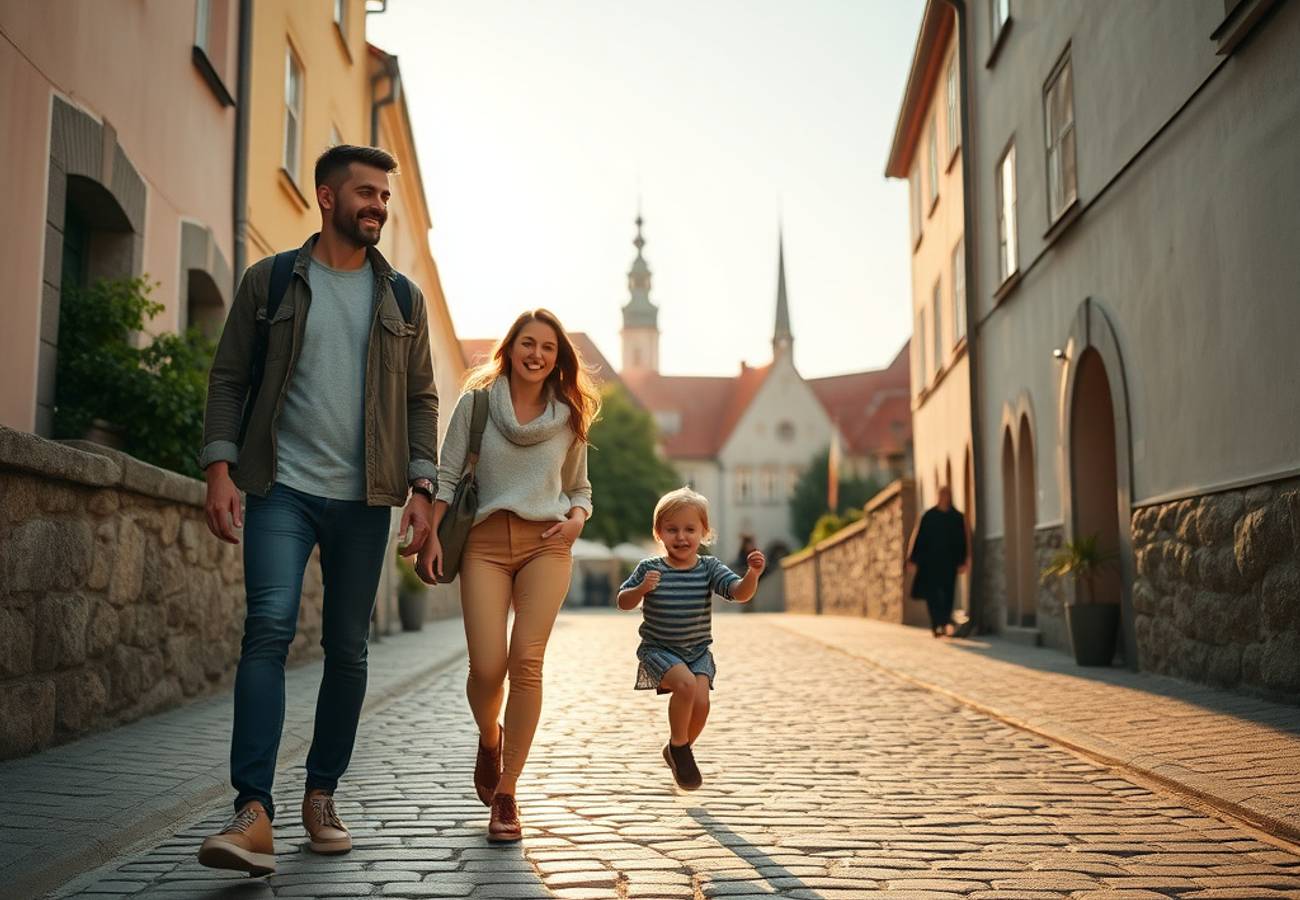
Image generated by AI
Headline Options:
- Factual/News: Tallinn, Zurich, and Tartu Emerge as Top Five Most Peaceful European Cities for Stress-Free Travel in 2026
- Curiosity-Gap (Discover): Forget Paris and Rome: These 5 European Cities are Redefining the 2026 Travel Experience
- Problem-Solving (Search): How to Plan a Calmcation: The Best Quiet European Cities to Avoid Overtourism in 2026
The "Calmcation" Shift: A New Era of Urban Exploration Travelers are systematically abandoning overcrowded tourist hubs in favor of "calmcations"—trips designed to prioritize mental wellbeing, low noise pollution, and slower paces. This shift is fundamentally altering the demand patterns for European urban tourism in 2026.
The Disruption of Traditional Tourism
A comprehensive analysis of nearly 70 European cities indicates a decisive move away from "checklist tourism." Modern travelers are now prioritizing air quality, safety standards, and walkability over the prestige of famous landmarks.
The data shows that the primary drivers for this trend are the exhaustion caused by congested airports, packed public transport, and the sensory overload associated with major capitals. Consequently, smaller cities with integrated green spaces and authentic local atmospheres are seeing a surge in interest.
2026 Peacefulness Index: Top Performing Cities
Our analysis of the urban environment data identifies the following cities as the leaders in stress-free travel for 2026:
- Tallinn, Estonia: Ranked as the top destination due to its combination of medieval charm, low noise levels, and high safety standards. Its compact layout allows for total pedestrian exploration.
- Zurich, Switzerland: Noted for superior urban infrastructure, exceptional walkability, and seamless integration with natural landscapes.
- Tartu, Estonia: A university-centric hub offering a slower lifestyle and a lack of intense tourist pressure.
- Trondheim, Norway: Highly rated for its safety and the proximity of urban discovery to outdoor relaxation.
- Vilnius, Lithuania: Recognized for its expansive green spaces and a comfortable, low-stress visitor environment.
High-Pressure Urban Zones
Conversely, the analysis identifies cities where the visitor experience is currently hindered by urban stress and congestion.
- Naples, Italy: Identified as one of the most stressful destinations due to high urban pressure and traffic, despite its cultural significance.
- Antwerp & Bucharest: Ranked lower on the peace index due to noise and congestion.
- Athens, Marseille, and Milan: While remaining cultural powerhouses, these cities are noted for lacking the "calm" required by wellness-focused travelers.
Passenger Rights & Advisory: Navigating the Shift
For the affected passenger moving toward these lesser-known hubs, the logistical landscape differs from major capitals. Our analysis of current aviation and travel policies suggests the following considerations:
1. Rebooking and Route Flexibility Travelers opting for "secondary cities" like Tartu or Trondheim may find fewer direct flight options. If a flight is canceled or significantly delayed on these thinner routes:
- EU261/2004 Rights: For flights departing from or arriving in the EU, passengers are entitled to compensation (up to €600) if the delay is the airline's fault, regardless of whether the destination is a major hub or a smaller city.
- Duty of Care: Airlines must provide meals and hotel accommodation during long delays, even in smaller regional airports.
2. Managing Expectations in "Calm" Zones Because these cities prioritize a slower pace, infrastructure (such as airport transfers) may be less frequent than in London or Paris.
- Our Advice: We recommend booking pre-arranged transfers or utilizing local rail systems, which are often the primary "calm" artery of these cities.
3. Sustainable Transit Since walkability is a core pillar of the calmcation trend, we advise travelers to minimize rental car usage in cities like Tallinn and Zurich, where pedestrian zones are strictly enforced and public transit is highly efficient.
Industry Analyst View
The rise of the calmcation is not merely a fad but a structural response to "overtourism." For years, the industry focused on volume; in 2026, the focus has shifted to value and wellbeing.
We anticipate that tourism boards in secondary cities will begin implementing "slow-growth" strategies to ensure that the influx of wellness seekers does not inadvertently create the same congestion they are fleeing. The success of Tallinn suggests that maintaining a balance between historic preservation and modern, quiet infrastructure is the winning formula for future urban tourism.
The era of the rushed itinerary is ending; the era of the intentional escape has arrived.
Related Travel Guides
Disclaimer
This article is for informational and educational purposes only. It does not constitute legal, financial, or professional advice. While we strive to provide accurate and up-to-date information, travel policies, regulations, and conditions change rapidly. Always verify information with official sources before making travel decisions. Nomad Lawyer makes no representations about the accuracy, reliability, completeness, or suitability of the information provided. Readers should consult qualified professionals for advice specific to their circumstances. The views expressed in this article are those of the author and do not necessarily reflect the views of Nomad Lawyer.

Raushan Kumar
Founder & Lead Developer
Full-stack developer with 11+ years of experience and a passionate traveller. Raushan built Nomad Lawyer from the ground up with a vision to create the best travel and law experience on the web.
Learn more about our team →