
Pilots Fuel Landing: Why Aircraft Burn Off Fuel Before Touch-Down
Pilots fuel landing procedures involve intentionally burning excess fuel mid-flight—a critical safety measure in 2026 modern aviation. Learn why this counterintuitive practice protects passengers and aircraft.

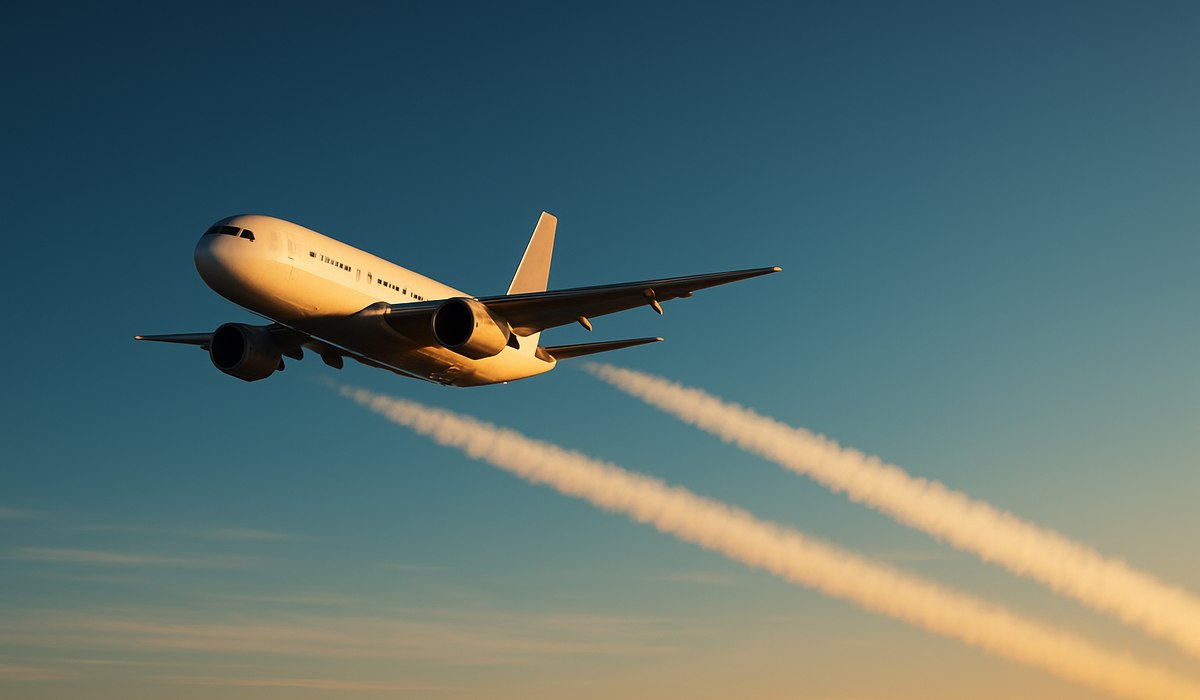
Image generated by AI
Why Pilots Deliberately Burn Fuel Before Landing
Modern commercial aviation routinely employs a counterintuitive safety procedure: pilots intentionally burn off excess fuel before landing. Though this practice appears wasteful at first glance, it represents a critical safeguard in contemporary flight operations. When aircraft exceed maximum landing weight specifications, fuel dumping becomes essential to protect both passengers and aircraft structural integrity.
The procedure occurs more frequently than travelers realize, particularly during emergency situations or unexpected flight diversions. Pilots must balance fuel consumption with aircraft weight limitations—regulations that exist specifically to prevent landing accidents. Understanding this practice transforms perception from environmental concern into recognition of a sophisticated safety system protecting thousands of daily flights.
When and Why Pilots Need to Dump Fuel
Aircraft have two critical weight thresholds: maximum takeoff weight and maximum landing weight. The maximum landing weight is always lower than takeoff weight because landing gear, brakes, and fuselage structures experience enormous stress during descent and touchdown. Exceeding these limits risks catastrophic brake failure, tire blowouts, or structural damage.
Pilots must dump fuel when circumstances force landings heavier than specifications allow. Emergency situations triggering fuel dumping include medical emergencies requiring immediate diversion, mechanical failures necessitating urgent descent, or weather conditions forcing alternate airport landings. Additionally, overbooked fuel loads from longer-than-planned flights sometimes require mid-air burning.
The process isn't wasteful negligence—it's engineering necessity. Modern aircraft burn approximately 750 gallons per hour during cruise. A Boeing 777 carrying 45,000 gallons may need to land at a nearby airport after just two hours of flight, forcing pilots to dump 25,000+ gallons to meet landing weight restrictions. The FAA establishes these weight limits based on decades of accident data and structural testing.
How the Fuel Dumping Process Works
Fuel dumping systems employ sophisticated engineering designed to distribute fuel safely across wide geographic areas. Aircraft equipped with fuel jettison capability can dump approximately 100-200 gallons per second through specialized ports mounted on wing exteriors. This controlled dispersal prevents concentrated fuel accumulation over populated areas.
Modern fuel dump systems operate automatically under pilot command, distributing discharge through multiple outlets to maximize dispersion. The process takes 15-30 minutes depending on fuel quantity and aircraft type. Pilots coordinate with air traffic control before initiating procedures, ensuring flight paths avoid populated regions during dumping.
The fuel transforms into fine mist during descent, evaporating at high altitudes before reaching ground level. At 30,000 feet, dispersed jet fuel undergoes rapid atmospheric breakdown. Environmental impact remains minimal when procedures follow established protocols—pilots prioritize safety corridors over ocean, desert, or uninhabited terrain whenever possible.
Safety Regulations and Aircraft Weight Limits
The FAA enforces strict weight limitations for every aircraft type, documented in technical specifications pilots study extensively. These restrictions stem from structural engineering—landing gear designed for specific maximum loads, brakes engineered for particular stopping distances, and fuselage integrity calculations based on precise weight parameters.
Commercial aircraft certification requires comprehensive stress testing before receiving approval to carry passengers. Maximum landing weights reflect these tested capacities with safety margins built in. Exceeding limits risks brake overheating, tire failure, or structural failure during the violent deceleration forces of landing.
Regulations mandate fuel jettison capability for aircraft exceeding specified weight thresholds. Modern wide-body jets like Boeing 777s and Airbus A380s carry fuel loads requiring dumping capabilities for safe emergency landings. Smaller regional aircraft sometimes carry minimal excess fuel specifically to avoid needing dump systems—engineers design these aircraft to land with nearly full tanks if necessary.
Environmental and Industry Considerations
Environmental impact from fuel dumping concerns aviation stakeholders, yet safety remains the non-negotiable priority. Airlines minimize unnecessary dumping through sophisticated flight planning that calculates optimal fuel loads. Modern aircraft burn fuel more efficiently, reducing situations requiring mid-flight dumping compared to previous decades.
The International Civil Aviation Organization (ICAO) and FAA establish environmental protocols governing fuel dump procedures. Airlines face pressure to reduce unnecessary dumping while maintaining passenger safety—a tension driving investment in more efficient aircraft and optimized routing systems.
Dispersed jet fuel at altitude disperses into atmospheric layers, with minimal ground-level impact during proper procedures. Environmental concerns focus primarily on fuel dumping over populated areas, which regulations explicitly restrict. The aviation industry continues balancing environmental responsibility with fundamental safety requirements that cannot be compromised.
Understanding Pilots Fuel Landing in Context
Travelers encountering fuel dumping events often misinterpret the procedure as mechanical failure or emergency abandonment. In reality, pilots fuel landing procedures represent textbook safety protocol—systems functioning exactly as engineers designed them. The dramatic appearance of fuel dispersing from aircraft serves a practical, life-protecting purpose.
Commercial aviation's safety record reflects proper execution of procedures including fuel dumping when necessary. Thousands of flights safely land after jettisoning fuel, with zero passenger injuries resulting from properly-executed fuel dump procedures. The practice continues because decades of accident investigation proved its necessity for protecting lives.
| Aspect | Details |
|---|---|
| Typical Dump Rate | 100-200 gallons per second per aircraft |
| Average Dump Duration | 15-30 minutes depending on fuel quantity |
| Altitude During Dumping | Typically 15,000-35,000 feet |
| Aircraft Types Equipped | Wide-body jets, heavy aircraft exceeding weight thresholds |
| Regulatory Authority | FAA and ICAO establish protocols and restrictions |
| Common Triggers | Medical emergencies, mechanical failures, weather diversions |
| Environmental Protocol | Dumping over ocean, desert, or unpopulated terrain prioritized |
| Passenger Safety Impact | Zero incidents from properly-executed fuel dump procedures |
What This Means for Travelers
If your flight experiences fuel dumping procedures, understanding the process reduces anxiety and builds confidence in pilot decision-making. This represents routine safety protocol, not emergency distress.
Traveler Action Checklist:
- Monitor flight status through FlightAware if noticing unusual flight paths or extended cruising before descent
- Remain calm during fuel dumping procedures—pilots coordinate with air traffic control for optimal safety measures
- Ask flight attendants for explanations if you observe fuel jettison occurring during approach
- Check FAA alerts at FAA.gov for official information about flight safety procedures
- Review passenger rights through US DOT if fuel dumping causes flight delays or diversions
- File complaint with airline customer service if fuel dumping procedures caused unreasonable delays or inconvenience
- Request compensation under DOT regulations if applicable to your flight circumstances
Frequently Asked Questions
Q: Is fuel dumping dangerous for people on the ground?
A: No. At altitudes of 15,000+ feet, dispersed fuel vaporizes into fine mist that evaporates before reaching ground level. Aviation regulations restrict dumping over populated areas, requiring pilots to follow established corridors over oceans or unpopulated terrain. Properly-executed procedures pose negligible environmental or safety risk to ground populations.
Q: How often do pilots actually dump fuel during flights?
A: Fuel dumping occurs regularly but not excessively—estimates suggest roughly one in 500 flights involves some fuel jettison. Emergency situations like medical diversions, mechanical issues, or weather events trigger procedures. Airlines minimize unnecessary dumping through advanced flight planning and fuel calculation systems that prevent overloading aircraft.
Q: Why don't aircraft simply carry less fuel to avoid dumping?
A:
Disclaimer
This article is for informational and educational purposes only. It does not constitute legal, financial, or professional advice. While we strive to provide accurate and up-to-date information, travel policies, regulations, and conditions change rapidly. Always verify information with official sources before making travel decisions. Nomad Lawyer makes no representations about the accuracy, reliability, completeness, or suitability of the information provided. Readers should consult qualified professionals for advice specific to their circumstances. The views expressed in this article are those of the author and do not necessarily reflect the views of Nomad Lawyer.
Kunal K Choudhary
Co-Founder & Contributor
A passionate traveller and tech enthusiast. Kunal contributes to the vision and growth of Nomad Lawyer, bringing fresh perspectives and driving the community forward.
Learn more about our team →