PIA Plans Direct Pakistan to Maldives Flights: South Asian Island Connectivity Expands in 2026

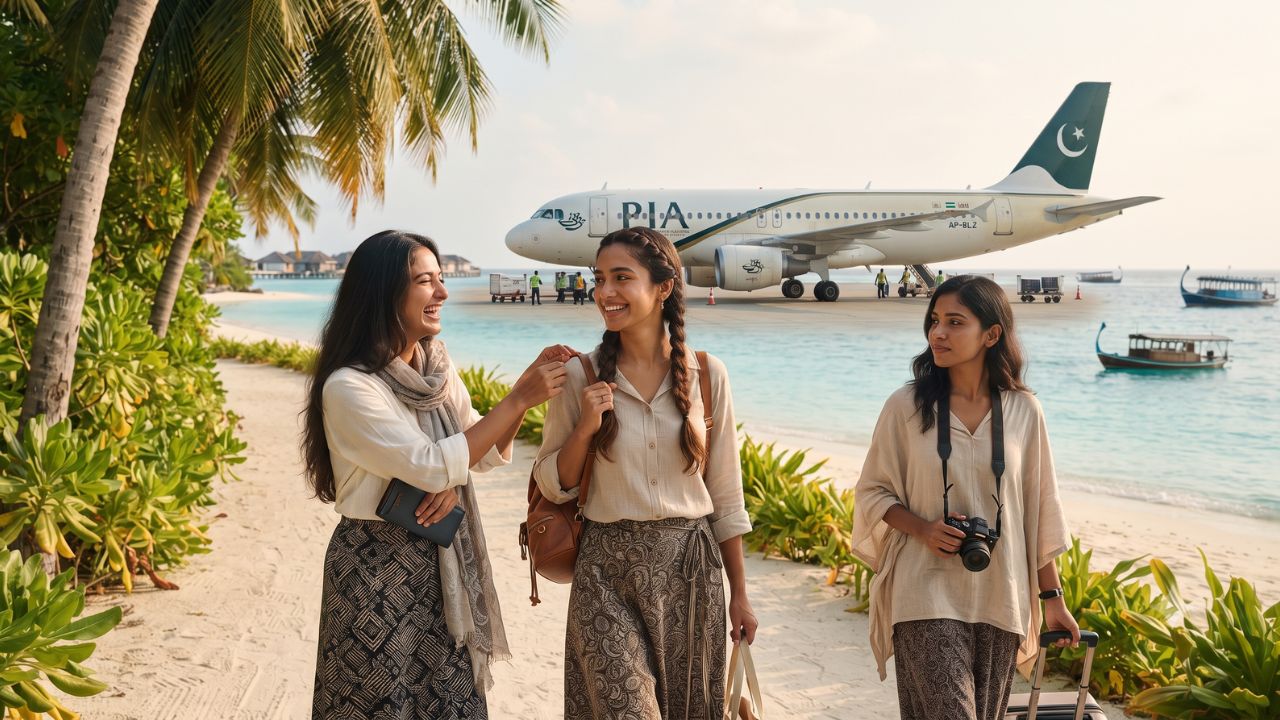
While luxury travelers spend thousands on private island water villas, local Maldivian islands like Thulusdhoo and Dhigurah offer guesthouses where visitors surf world-class reef breaks and swim with whale sharks for under fifty dollars a day. The Indian Ocean archipelago is set to become substantially more accessible for South Asian travelers as Pakistan International Airlines prepares to establish direct non-stop air routes between Pakistan and Malé. The strategic initiative was formalized during high-level bilateral discussions in late September 2026 between senior airline executives and a Maldivian delegation led by the Speaker of the National Assembly of Maldives.
Under PIA's ongoing fleet modernization program, the national flag carrier intends to deploy newly acquired passenger aircraft onto direct Pakistan–Maldives sectors once delivery schedules are finalized. By eliminating intermediate layovers across Middle Eastern and regional transit hubs, the proposed non-stop service will drastically reduce travel time between Islamabad, Lahore, or Karachi and the coral atolls of the Maldives.
The Regional Aviation Corridor: Direct Indian Ocean Connectivity
Connecting South Asia's northwestern mainland directly to the equator represents a natural evolution for regional travel networks. At present, passengers commuting between Pakistan and the Maldives rely on multi-stage itineraries connecting through Dubai, Doha, Colombo, or Muscat, transforming what should be a four-hour flight into an eight to twelve-hour journey.
The introduction of direct flights creates bilateral benefits for leisure vacationers, honeymooners, corporate delegations, and the growing community of Pakistani professionals living in the Maldives.
| Strategic Milestone & Focus | Current Aviation Phase | Expected Passenger Impact |
|---|---|---|
| Bilateral Diplomatic Agreement | Concluded in Pakistan | High-level parliamentary support for direct air bridges |
| Fleet Acquisition Status | Modernization in Progress | Securing dedicated aircraft capacity for regional routes |
| Target Destination Airport | Velana International Airport (MLE), Malé | Direct gateway to 26 natural coral atolls |
| Potential Origin Gateways | Karachi, Lahore, Islamabad | Elimination of multi-hour Gulf hub layovers |
| Travel Time Reduction | From 8–12 hours to ~4 hours | Frictionless same-day island transfers |
| Target Traveler Segments | Ecotourists, divers, diaspora | Affordable access to local guesthouses and dive safaris |
According to tourism trends monitored by Visit Maldives, direct aviation access is the single most decisive factor driving international visitor growth. A nonstop Pakistan link expands the Maldivian visitor market while making Pakistan’s rich mountain and historical heritage accessible to Maldivian travelers exploring northern South Asia.
What Makes the Maldives Different: Living Island Culture and Coral Atolls
Beyond the postcard images of thatched overwater bungalows, the Maldives encompasses a vibrant maritime society built on 1,192 coral islands organized into 26 natural atolls. Since the government legalized independent community guesthouses in 2009, travelers can experience authentic Maldivian island life (Dhivehi raajje) alongside local fishermen and boatbuilders.
In the capital city of Malé, the 17th-century Old Friday Mosque (Hukuru Miskiy) stands as a masterwork of coral-stone architecture, constructed with interlocking blocks of marine coral carved with intricate Arabic calligraphy. On inhabited local islands like Fulidhoo and Maafushi, mornings begin with mas huni—a traditional breakfast of finely shredded skipjack tuna mixed with grated coconut, diced red onions, fresh lime juice, and chili, scooped up with warm, unleavened roshi flatbread.
Beneath the crystalline turquoise waters, the Maldives harbors some of the richest marine biodiversity on earth, centered around the Baa Atoll Biosphere Reserve. In protected sanctuaries like Hanifaru Bay, seasonal plankton blooms between May and November attract hundreds of giant reef manta rays and whale sharks in synchronized feeding aggregations.
Visitor Insider Tips: Exploring the Maldives on a Realistic Budget
- Base Yourself on Local Inhabited Islands: For an authentic and affordable trip, avoid secluded single-resort islands where dining and transfer prices are marked up heavily. Stay in boutique guesthouses on local islands such as Dhigurah (renowned for year-round whale shark encounters), Thulusdhoo (famous for artisan surfboard shapers and world-class reef breaks), or Ukulhas (an award-winning eco-friendly community).
- Utilize Public MTCC Ferries for Island Transfers: Private resort speedboats often charge $150 to $400 per passenger for short transfers. Take the state-run Maldives Transport and Contracting Company (MTCC) public ferries from Malé Villingili Ferry Terminal to Kaafu and Alif Alif atolls for less than three to five dollars per journey.
- Carry Clean US Dollar Cash and Local Maldivian Rufiyaa: While credit cards are widely accepted at resorts, local island cafes, grocery stores, and dive operators prefer payment in cash. Carry crisp, uncreased US Dollar bills printed after 2013, or withdraw Maldivian Rufiyaa (MVR) from Bank of Maldives ATMs at Velana Airport.
- Respect Local Cultural Etiquette in Inhabited Villages: The Maldives is a conservative Islamic nation. On local residential islands, alcohol is strictly prohibited, and visitors must dress modestly (covering shoulders and knees) when walking through village streets. Swimming in standard swimwear is reserved for designated, enclosed "Bikini Beaches" established on tourist-friendly islands.
- Join Responsible Whale Shark Excursions in South Ari Atoll: In the South Ari Marine Protected Area (SAMPA), choose certified local boat operators who adhere to strict marine conservation codes: maintaining a minimum distance of three meters from whale sharks, prohibiting physical touching, and avoiding motorized chasing.
Cultural and Environmental Context of Maldivian Marine Ecosystems
The Republic of Maldives is on the frontlines of global climate change, with over 80% of its land area sitting less than one meter above sea level. Protecting delicate coral reef ecosystems, mangrove wetlands, and sea turtle nesting grounds is a matter of national survival.
In response, local island councils enforce strict bans on single-use plastics and spearhead community-led coral propagation nurseries. International visitors play an active role in preservation by choosing eco-certified dive centers, refusing single-use plastic water bottles in favor of reverse-osmosis glass refills, using reef-safe mineral sunscreen, and supporting locally owned businesses whose earnings remain within island communities.
FAQ: Flying to the Maldives and PIA Flights 2026
When will PIA start operating direct flights to the Maldives?
PIA plans to launch direct flights to Malé after finalizing aircraft deliveries under its fleet expansion program, with official flight schedules and ticket booking dates to be announced upon regulatory clearance.
Do international tourists need a visa before visiting the Maldives?
No. The Maldives grants a complimentary 30-day tourist visa on arrival to all nationalities at Velana International Airport, provided travelers have a valid passport, confirmed accommodation booking, and a return flight ticket.
What is the most affordable way to travel between islands in the Maldives?
The government-operated MTCC public ferry network provides the most economical transportation between Malé and surrounding atoll islands, with one-way fares typically costing under $5.
Related Travel Guides
- Massive Travel Chaos Slashes Thailand Tourism to 10 Million as Middle East Airport Disruptions Surge Flights by 12 Hours: Latest Airline News
- Aviation Updates: EasyJet, Ryanair, and British Airways Enforce Strict New Digital Boarding Rules to Combat Summer Travel Chaos
- Aviation Updates: Envoy Air Flight ENY3933 Diverts to Kansas City Bypassing Wichita and Triggering 4-Hour Travel Chaos
This article is for informational purposes. Flight routes, passenger regulations, visa rules, and transit advisories are subject to change by airlines and aviation authorities. Readers are advised to verify schedules and travel documentation with relevant carriers and border agencies before departure.
Related Stories

Qatar Airways Launches Landmark Doha to Bogotá and Caracas Flights: Boeing 777-200LR Unlocks South American Corridors
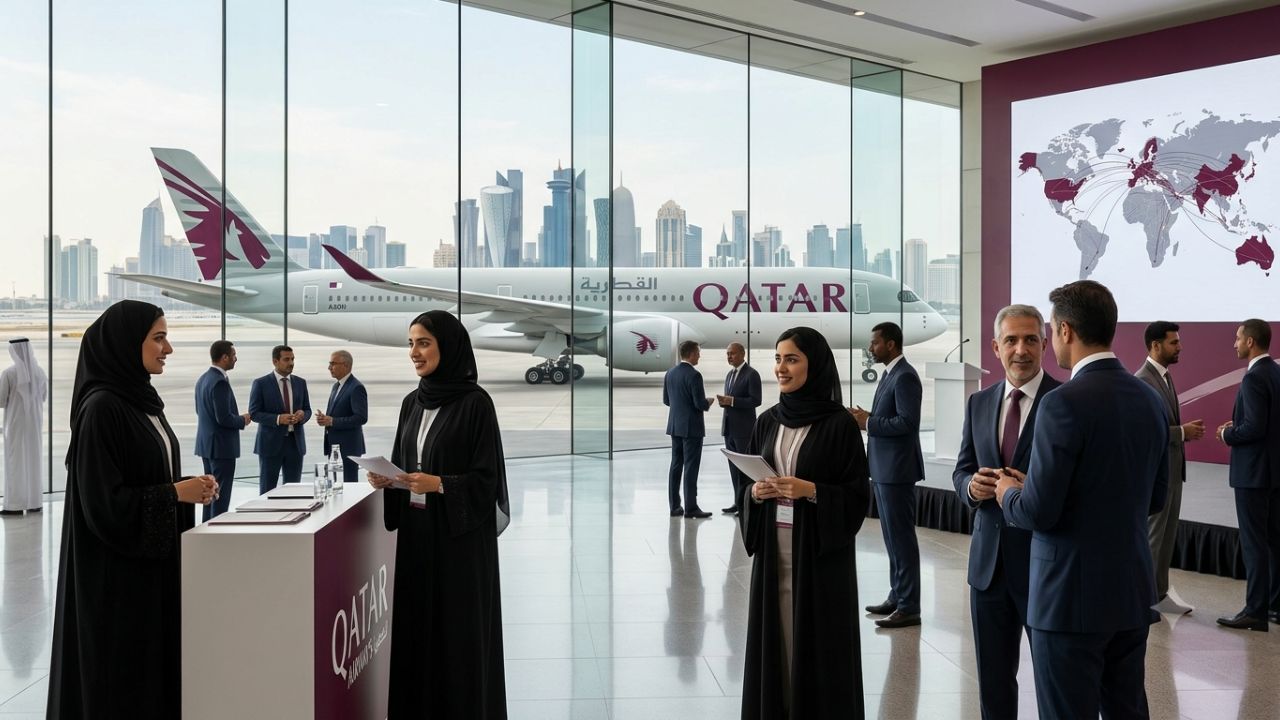
Qatar Airways Puts Global Air Connectivity in Focus as Arab Aviation Leaders Gather for 59th AACO AGM in Doha