Philippines Domestic Travel Resilience Is Now Key to Better Protect Tourism as Air Disruption Grows

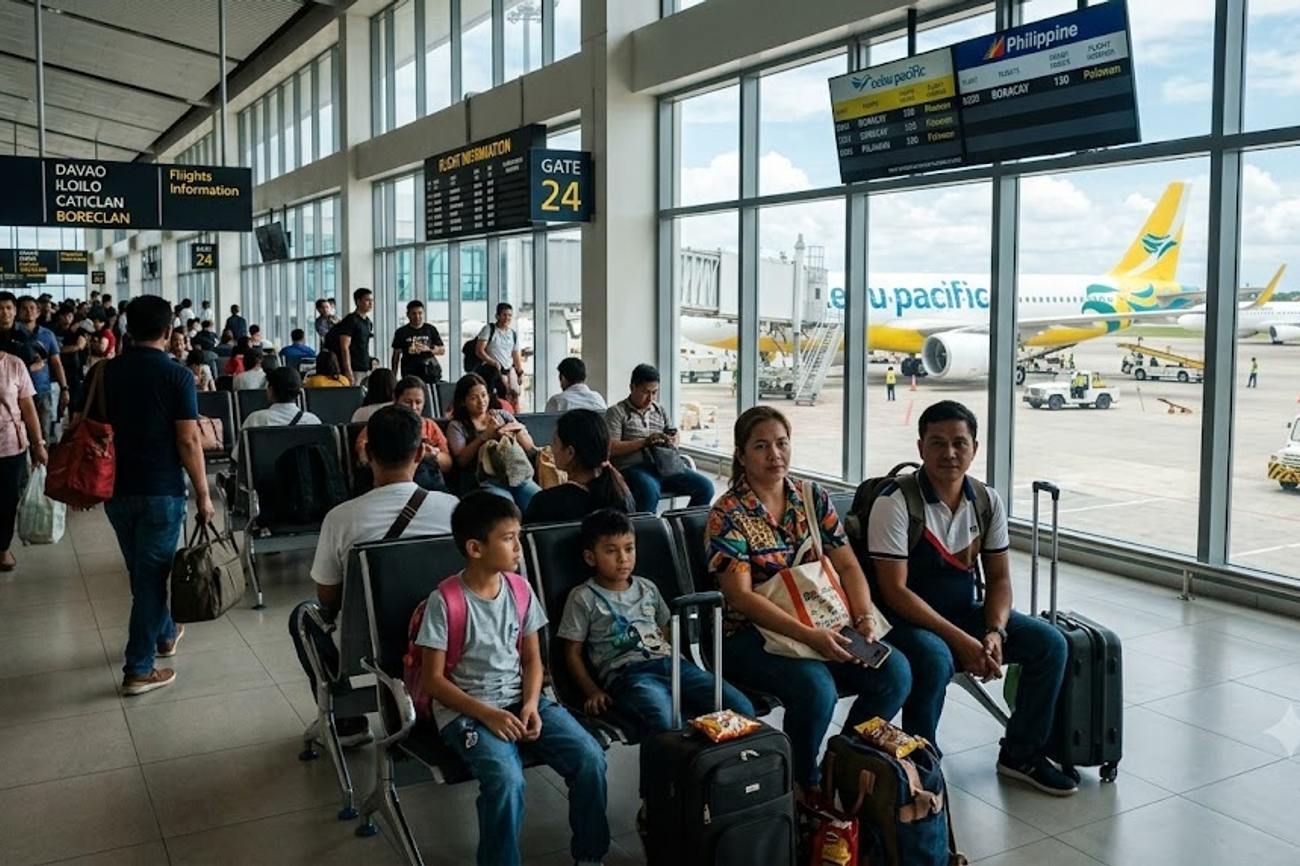
Image generated by AI
title: The Internal Shift: Navigating the Philippines Beyond the Tourist Trail date: 2025-10-15 Resident spending within the Philippines hit PHP3.26 trillion in 2025, proving that the archipelago's tourism engine is now powered more by its own people than by foreign arrivals. While international expenditure dipped to PHP698.46 billion, the local appetite for exploration surged, creating a resilient internal economy that shields the islands from the volatility of global aviation corridors.
The Rise of the Domestic Voyager
The current state of Philippine travel is defined by a strategic pivot. For decades, the industry looked outward, but 2025 marked a year where the internal market became the primary stabilizer. While inbound spending saw a decline from PHP745.99 billion in 2024 to PHP698.46 billion in 2025, the resident market stepped in to fill the void. This shift is not merely a statistical quirk; it is a response to a precarious global climate.
Regional aviation is currently under pressure due to Middle East disruptions that have compromised energy production and altered flight paths. With the Strait of Hormuz facilitating roughly 20% of the world's traded liquefied natural gas and oil, the ripple effects are felt in the fuel surcharges and route changes across Asia. For the Philippines, a nation of over 7,000 islands where aviation and maritime transport are the only viable lifelines, this external pressure has made domestic loyalty a necessity.
The economic footprint of this trend is massive. Total internal tourism expenditure climbed from PHP3.91 trillion in 2024 to PHP3.96 trillion in 2025. Even more telling is the labor market: tourism supported 7.70 million workers in 2025, a 2.5% increase from the 7.51 million employed the previous year. Today, the sector accounts for 15.7% of all national employment, ensuring that the livelihoods of millions are tied to the movement of people across the provinces.
What Makes the Philippines Different
Traveling the Philippines is an exercise in navigating fragmentation. Unlike mainland Southeast Asian neighbors where buses and trains dominate, here the journey is the destination. The reliance on a complex web of ferries and short-haul flights means that the "local lens" is one of adaptability.
The sheer scale of the domestic market—where resident expenditure was more than four times that of inbound spending in 2025—has changed the way hospitality is delivered. You will find that resorts and eateries are increasingly catering to the Filipino palate and pace, moving away from the sanitized "international" experience toward something more authentic and communal.
However, the economic reality is nuanced. While spending is up, the direct gross value added by tourism actually slipped 1.4%, dropping from PHP2.30 trillion in 2024 to PHP2.27 trillion. This tells us that while people are spending more, the cost of doing business—driven by the very energy disruptions affecting the region—is eating into the profits. For the traveler, this means that while the spirit of hospitality remains high, you may see fluctuating prices in remote areas where fuel for generators and boats is expensive.
Visitor Insider Tips
To travel the Philippines like a local, you must abandon the idea of a rigid itinerary. The islands operate on "island time," and the current aviation climate requires a flexible approach.
Transport Hacks and Logistics Avoid booking tight connections between different carriers. If you are flying into Manila and then taking a domestic flight to Siargao or Boracay, allow at least four to six hours. Domestic terminals can be chaotic, and route-specific schedules are currently subject to change due to regional aviation pressures. When moving between islands, compare the "fast craft" ferries with traditional RORO (Roll-on/Roll-off) vessels. The RORO is slower but offers a more authentic glimpse into provincial life and is far less likely to be cancelled due to minor weather shifts.
Neighborhoods and Bases Instead of staying in the primary tourist hubs, look for "barangays" (neighborhoods) just outside the main strips. In Palawan, move beyond El Nido's center to find smaller guesthouses that support local families. In Cebu, base yourself in areas that allow easy access to the mountains of Busay rather than staying solely in the city center.
Etiquette and Local Rhythms Respect the local hierarchy. A simple "Po" or "Opo" added to your sentences when speaking to elders or service staff goes a long way. When visiting remote villages, always ask permission before taking photos of homes or religious altars.
Regional Specialties Move beyond the standard adobo. Seek out Kinilaw (fresh raw fish cured in vinegar and citrus) in the coastal regions, and try Piapian or local delicacies in the highlands of Luzon. The best food is rarely found in hotels; it is found in the "carinderias" (roadside eateries) where the locals eat.
Cultural and Environmental Context
The surge in domestic travel is a double-edged sword for the Philippine environment. On one hand, the redistribution of wealth from urban centers like Metro Manila to rural provinces helps preserve traditional crafts and local heritage. On the other, the increased volume of visitors to fragile ecosystems—like the lagoons of El Nido or the white sands of Boracay—puts immense pressure on waste management and coral reef health.
Tourism currently represents 8.1% of the Philippine economy. This high dependency means that local communities are often caught between the need for economic growth and the necessity of conservation. The shift toward domestic tourism has encouraged more "community-based tourism," where locals manage the tours rather than large international corporations. This ensures that a higher percentage of the PHP3.26 trillion spent by residents stays within the community.
Furthermore, the environmental challenge is compounded by the energy crisis. Many remote islands still rely on diesel generators for electricity. As energy costs rise due to global conflicts, there is a growing movement toward solar-powered resorts and eco-lodges, blending traditional Filipino architecture with modern sustainability. For more information on protecting these areas, the UNESCO World Heritage Centre provides insights into the preservation of the country's natural and cultural landmarks.
FAQ: Visiting the Philippines 2026
What is the best time to visit? The dry season from December to April is ideal. However, to avoid the crowds that now accompany the massive domestic travel surge, consider the "shoulder months" of May and November, though be mindful of the typhoon season.
Do I need a visa for the Philippines? Entry policies have not changed recently. Most nationalities receive a visa-free entry for 30 days. Always check the Official Gazette of the Republic of the Philippines or your local embassy for the most current requirements based on your passport.
How do I get between islands efficiently? A mix of domestic flights and ferries is best. For official flight bookings and schedules, use the portals of major carriers or the Department of Tourism. Always carry a government-issued ID, as it is required for all domestic transport and hotel check-ins.
Is it safe for solo travelers? Yes, the Philippines is generally safe for solo travelers. Filipinos are known for their warmth and helpfulness. Use reputable transport apps like Grab in cities and always keep your travel documents in a waterproof pouch when island hopping.
Forget the brochure; the real Philippines is found in the gaps between the flight schedules and the kindness of a stranger in a remote barangay.
Related Travel Guides
- Tanzania and UNESCO Unleash Powerful Heritage Transformation as Zanzibar Tourism Enters a New Sustainable Growth Era
- Ethiopia Expands Bale Conservation Tourism With Robe Access and Goba Park Links as Lodge Projects Advance
- Croatia’s 500-Year-Old Erdödy Castle Reopens After £11 Million Restoration Welcoming Travellers Again
This article is for informational purposes. Flight routes, passenger regulations, visa rules, and transit advisories are subject to change by airlines and aviation authorities. Readers are advised to verify schedules and travel documentation with relevant carriers and border agencies before departure.
Related Stories

Philippines Domestic Tourism Hits PHP3.26 Trillion as Asian Staycation Trends Shift Toward 2027
Thailand Tourism Slowdown Tests Small Businesses as Kingdom Pivots to High-Yield Travel and Secondary Provinces