
New York Catskills Travel Revolution Unlocks A Breathtaking Rural Paradise Near America’s Biggest City
New York Catskills Travel Revolution Unlocks A Breathtaking Rural Paradise Near America’s Biggest City

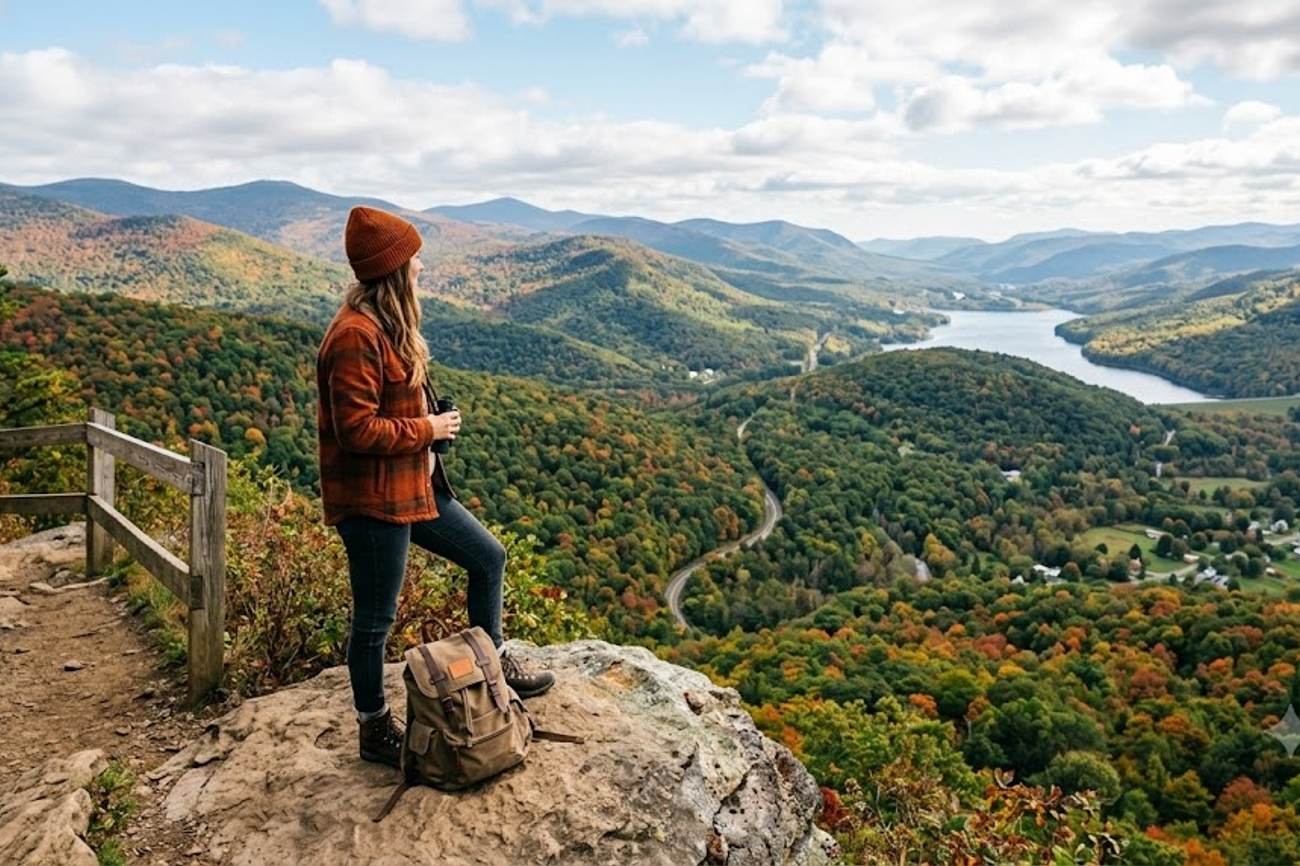
Image generated by AI
Billions of dollars in annual visitor spending have transformed the New York Catskills from a secluded mountain retreat into a primary economic engine for rural New York. This financial surge marks a fundamental shift in American domestic travel, where the proximity of a "rural paradise" to the world's most dense urban center has created a sustainable model for short-haul, high-spend tourism.
The Urban Exodus and the Proximity Premium
The acceleration of tourism in the Catskills is not an isolated phenomenon but a systemic reaction to the constraints of modern urban living and the evolving nature of professional labor. For decades, the region served as a quiet backdrop for seasonal visitors, but the post-pandemic era has codified a new travel behavior: the "micro-break." The catalyst was a combination of flexible work arrangements and a psychological pivot toward nature-centric recovery.
Unlike traditional vacationing, which often requires the logistical friction of airport security and long-haul flights, the Catskills offer a "proximity premium." Travelers from New York City can transition from a high-stress metropolitan environment to a mountain sanctuary within a few hours by car. This ease of access has effectively expanded the travel window for the average urbanite, turning the region into a viable option for extended weekends and mid-week retreats.
The integration of remote work has further blurred the line between leisure and labor. By combining professional obligations with scenic surroundings, visitors are extending their stays, which fundamentally alters the revenue stream for local operators. This is no longer a two-day excursion; it is a lifestyle integration that allows the "digital nomad" to reside in a rural setting without severing ties to the city's economic core.
The Infrastructure of Experience: From Cabins to Boutique Hubs
The shift in visitor demographics has triggered a wave of capital investment in the region's hospitality infrastructure. The era of the basic roadside motel has been replaced by a sophisticated ecosystem of boutique hotels and wellness-focused lodges. These developments are not merely providing beds but are selling "curated experiences" that align with current luxury trends: design-centric architecture, farm-to-table gastronomy, and holistic wellness.
The investment focus has shifted toward properties that emphasize a connection to the environment. This "refined rustic" approach attracts a higher-spending tier of traveler who seeks the aesthetic of rural life without sacrificing the comforts of modern luxury. The resulting economic ripple effect is evident in the revitalization of small-town main streets. Communities that previously faced economic stagnation are now seeing a resurgence of galleries, independent boutiques, and specialty restaurants.
This growth is managed through a delicate balance. Unlike purpose-built resort towns that can feel artificial, the Catskills have maintained a level of authenticity. The appeal lies in the intersection of heritage and modernization—where a century-old general store might exist alongside a high-end wellness spa. This authenticity is a critical asset, as modern travelers increasingly reject "tourist traps" in favor of genuine cultural immersion.
Expert Analysis: The Macro-Economics of the "Near-Escape"
For travelers and investors, the Catskills phenomenon reveals a broader regulatory and market shift in the U.S. travel sector. We are witnessing a move toward "de-risked travel." In an era of volatile flight schedules and rising international costs, the domestic road trip is the most stable logistical choice.
For travelers booking this route, the direct consequence is a shift in spending patterns. Instead of allocating a large portion of their budget to airfare and international insurance, visitors are redirecting those funds into high-end local experiences. This creates a pricing pressure that allows boutique hotels to command premium rates, as the "saved" cost of the flight is transferred to the cost of the stay.
Furthermore, the surge in property demand for second homes indicates a long-term demographic shift. The Catskills are no longer just a place to visit; they are becoming a place to hold assets. This real estate pressure can be a double-edged sword. While it drives infrastructure improvement and increases the tax base for local governments, it also risks pricing out the very local populations that provide the "authentic" character visitors seek.
From a logistical standpoint, the reliance on road travel places an increased burden on the region's infrastructure. As the New York State Department of Transportation manages the flow of urban traffic into rural corridors, the sustainability of this growth depends on the ability of small-town roads to handle seasonal spikes in volume. For the traveler, this means that the "peaceful escape" is increasingly subject to the same traffic bottlenecks found in the city, albeit on a smaller scale.
Key Takeaways
- Economic Scale: Annual visitor spending has reached the billion-dollar threshold, supporting thousands of jobs in retail, hospitality, and recreation.
- Travel Logic: The "proximity premium" is driving a shift away from complex international itineraries toward accessible, high-quality domestic escapes.
- Market Evolution: Investment has pivoted from basic lodging to luxury boutique hotels and wellness centers, targeting high-net-worth urbanites.
- Work-Travel Hybrid: Remote work capabilities have extended the average length of stay, increasing the per-visitor economic contribution to local towns.
- Real Estate Impact: Increased demand for second homes is transforming the local property market, signaling a permanent shift in residency patterns.
FAQ: Catskills Travel 2026
What is the best way to reach the Catskills from New York City? The most flexible and common method is by car, which allows for easier transport of gear and pets. The drive typically takes a few hours, depending on the specific county and traffic conditions.
Are the Catskills suitable for remote workers? Yes. The region has seen a surge in "workation" travelers. Most boutique hotels and modern lodges now provide high-speed internet to accommodate guests combining professional duties with leisure.
What activities are most popular in the region? Visitors primarily engage in hiking across hundreds of miles of trails, visiting local farm-to-table eateries, exploring small-town galleries, and utilizing wellness and spa facilities.
Is the region only for luxury travelers? No. While boutique hotels are growing, the region maintains a mix of traditional cabins, independent inns, and outdoor excursions that cater to various budget levels.
The Catskills are no longer a secret; they are a blueprint for the future of the American near-cation.
Tags: New York Catskills, NYC Domestic Tourism, Boutique Hospitality Trends, Rural Economic Development, New York State Tourism 2026
Related Travel Guides
Disclaimer
This article is for informational and educational purposes only. It does not constitute legal, financial, or professional advice. While we strive to provide accurate and up-to-date information, travel policies, regulations, and conditions change rapidly. Always verify information with official sources before making travel decisions. Nomad Lawyer makes no representations about the accuracy, reliability, completeness, or suitability of the information provided. Readers should consult qualified professionals for advice specific to their circumstances. The views expressed in this article are those of the author and do not necessarily reflect the views of Nomad Lawyer.
Preeti Gunjan
Contributor & Community Manager
A passionate traveller and community builder. Preeti helps grow the Nomad Lawyer community, fostering engagement and bringing the reader experience to life.
Learn more about our team →