
Peru Tourism Shifts North as Kuélap and Chachapoyas Bring Cloud-Forest Adventures Into Focus
Peru Tourism Shifts North as Kuélap and Chachapoyas Bring Cloud-Forest Adventures Into Focus

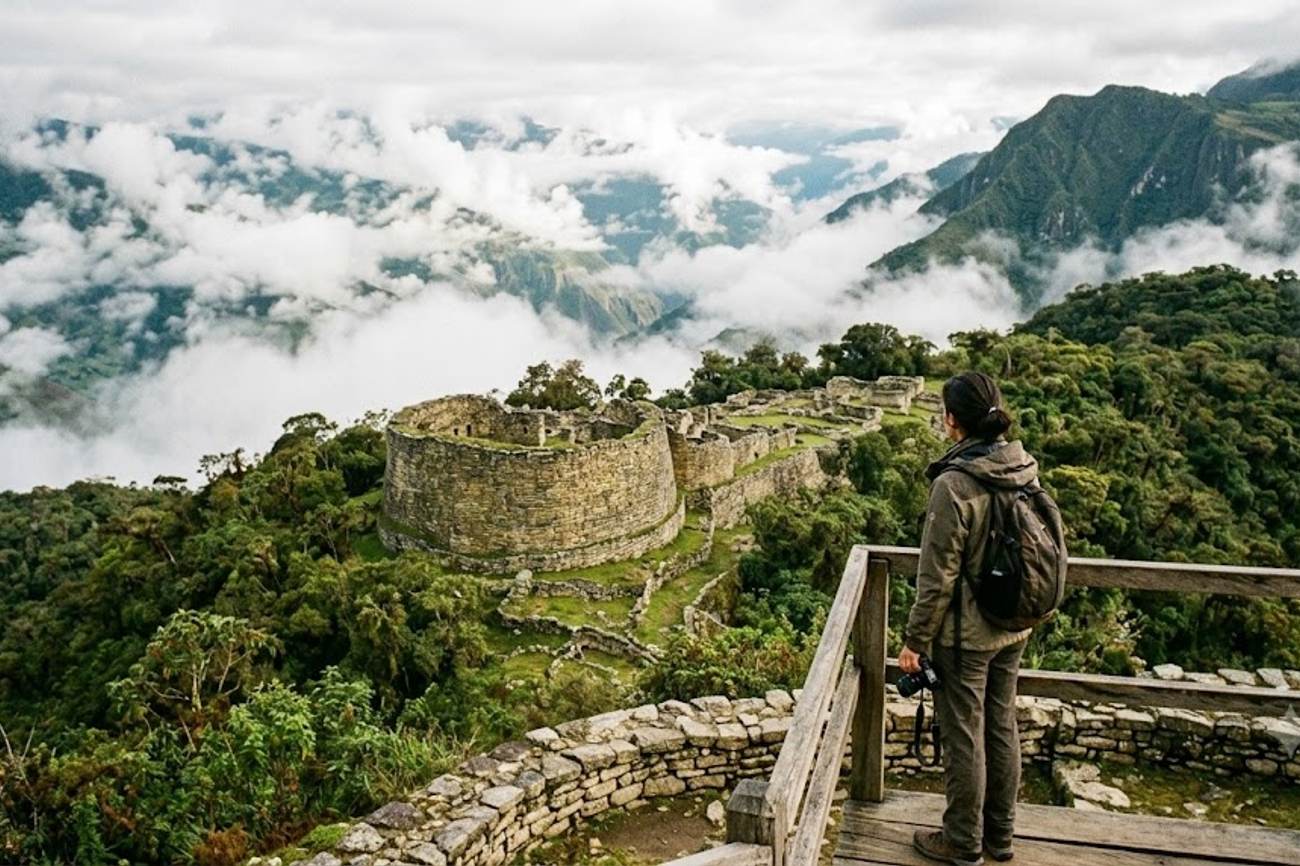
Image generated by AI
[Chachapoyas, May 2024] — The Peruvian government is aggressively pivoting its national tourism strategy toward the northern Amazonas region to alleviate overcrowding at southern archaeological hubs and stimulate economic growth in the cloud forests.
The Ministry of Foreign Trade and Tourism (MINCETUR) has designated Amazonas as a priority zone for development, centering its efforts on the ancient Chachapoya civilization's heritage. This strategic shift aims to transition international visitors away from the saturated corridors of Cusco and Machu Picchu toward a "slow travel" model that integrates indigenous culture, biodiversity, and community-led hospitality.
The Shift Toward Northern Heritage
The primary catalyst for this geographical expansion is the Peruvian state's need to manage tourist flows more sustainably. By diversifying the available "tourism products," the government is reducing the reliance on a few over-visited sites. Central to this plan is the fortification of the Chachapoyas region as a viable alternative for high-value cultural tourism.
To support this transition, the government has committed significant capital to modernize the region's infrastructure. In 2025, MINCETUR announced a massive investment package exceeding S/155 million. These funds are earmarked for the development of tourism infrastructure across Amazonas, specifically targeting the conservation and accessibility of the Kuélap fortress and surrounding regional attractions. This funding is not merely for site maintenance but is intended to build a comprehensive ecosystem that supports tourism growth across the wider province rather than creating an isolated pocket of activity.
Key Attractions and Regional Impact
The northern corridor is anchored by several high-impact sites that combine archaeology with extreme geography. The following table outlines the primary drivers of the Amazonas tourism surge:
| Attraction | Primary Appeal | Key Feature |
|---|---|---|
| Kuélap Fortress | Archaeology | Fortified settlement at 3,000m elevation; predates Inca expansion. |
| Gocta Waterfall | Nature/Hiking | Two massive cascades located within forested mountain valleys. |
| Karajía Sarcophagi | Funerary Art | Cliffside burial figures integrated into the natural landscape. |
| Cloud Forests | Biodiversity | Endemic bird species and varied ecosystems for nature observation. |
The Kuélap fortress serves as the region's "heritage anchor." Because it was built by the Chachapoya people prior to the Inca conquest, it offers a distinct historical narrative. Its massive scale and remote location make it a primary target for travelers seeking an experience that mirrors the grandeur of the south without the associated crowds.
What This Means for Travelers
For the modern traveler, this shift represents a move from "checklist tourism" to experiential travel. The practical implications for those booking trips to Peru are significant:
1. Itinerary Expansion: Travelers are encouraged to move beyond the Lima-Cusco-Machu Picchu triangle. A trip to the north now requires a dedicated multi-day stay in Chachapoyas to properly experience the region's spread-out attractions.
2. Improved Accessibility: The introduction of the Kuélap cable car has fundamentally changed the logistics of visiting the fortress. By connecting the Nuevo Tingo access point to the upper station, the government has eliminated the need for grueling road journeys, making the site accessible to independent travelers and those with limited mobility.
3. Diversified Activity Profiles: Visitors can now blend high-altitude archaeology with nature-based activities. A typical itinerary now allows for a day of exploring stone architecture at Kuélap followed by a day of trekking to the Gocta Waterfall or birdwatching in the cloud forests.
4. Community-Based Lodging: There is a growing emphasis on community-run accommodations. Travelers will find more opportunities to stay in local guesthouses and hire community guides, shifting the economic benefit of tourism directly into rural hands.
Infrastructure and Sustainable Growth
The development of the Amazonas corridor is being used as a blueprint for sustainable tourism. Rather than building massive resorts, the Peru Travel initiative is focusing on "community tourism." This model integrates local restaurants, craft producers, and agricultural businesses into the travel circuit.
The geographical distribution of sites—from the cliffside sarcophagi of Karajía to the depths of the Gocta valley—forces a distribution of tourist spending. Because these sites are not concentrated in a single urban center, visitors must utilize local transport and lodging across multiple rural communities, preventing the "leakage" of tourism revenue to large international chains.
Furthermore, the integration of birdwatching and biodiversity tours is extending the tourism season. While archaeological sites are year-round draws, the biological richness of the cloud forests attracts a specific niche of eco-tourists, ensuring a steady stream of income for local guides and conservationists regardless of the peak cultural season.
The Future of the Northern Corridor
The long-term goal of MINCETUR is to establish Amazonas as a permanent pillar of the Peruvian travel experience. The S/155 million investment is the first phase of a broader strategy to link the northern highlands with other regional assets.
As infrastructure improves, the government expects to see an increase in "slow travel" durations. The current strategy rewards visitors who spend several days in Chachapoyas rather than those attempting single-day excursions. This approach is designed to protect the natural resources of the cloud forests while maximizing the economic impact per visitor.
The success of this pivot will depend on the continued balance between accessibility—exemplified by the cable car—and the preservation of the "remote" feel that attracts high-end experiential travelers. If the model holds, the northern corridor will cease to be an "alternative" to the south and instead become a primary destination in its own right.
FAQ: Amazonas Travel 2024-2025
How do I get to the Kuélap fortress? Visitors now use a modern cable car system starting from Nuevo Tingo. This replaces the long, winding road approach and provides panoramic views of the cloud forest before arriving at the fortress gates.
Is the Amazonas region a complete replacement for Machu Picchu? No. It is a complementary experience. While Machu Picchu represents the Inca Empire, Kuélap and Karajía showcase the distinct Chachapoya civilization, offering a different historical perspective and fewer crowds.
What is the best way to experience Chachapoyas? Slow travel is recommended. Plan for at least 3-5 days to allow for visits to Kuélap, the Gocta Waterfall, and the Karajía sarcophagi, utilizing local community guides for the best experience.
Are there specific requirements for visiting the cloud forests? Due to the varied elevations and humid environment, waterproof gear and sturdy hiking boots are essential. Guided tours are highly recommended for birdwatching to ensure the protection of endemic species.
The map of Peruvian tourism is being redrawn, shifting the center of gravity from the Andean south to the misty heights of the north.
#Kuélap2025 #MINCETUR #ChachapoyasTourism #AmazonasPeru #PeruSustainableTravel #GoctaWaterfall
Related Travel Guides
- Spain Aligns With Europe As Renfe Raises Passenger Insurance Costs After Adamuz Crash
- United Kingdom Aligns With Oxford And More To Showcase Autumn City Breaks Through History, Culture And Leisure
- Saudi Arabia Hosts Hotel & Hospitality Expo Riyadh as Tourism Growth Drives New Hotel and Hospitality Demand
Disclaimer
This article is for informational and educational purposes only. It does not constitute legal, financial, or professional advice. While we strive to provide accurate and up-to-date information, travel policies, regulations, and conditions change rapidly. Always verify information with official sources before making travel decisions. Nomad Lawyer makes no representations about the accuracy, reliability, completeness, or suitability of the information provided. Readers should consult qualified professionals for advice specific to their circumstances. The views expressed in this article are those of the author and do not necessarily reflect the views of Nomad Lawyer.
Kunal K Choudhary
Co-Founder & Contributor
A passionate traveller and tech enthusiast. Kunal contributes to the vision and growth of Nomad Lawyer, bringing fresh perspectives and driving the community forward.
Learn more about our team →