
Peru Nazca Lines Scenic Flight Crash Claims Thirteen Lives
An Aerodiana sightseeing flight crashed near the Nazca Lines in Peru on August 1, 2026, claiming 13 lives and renewing safety concerns.

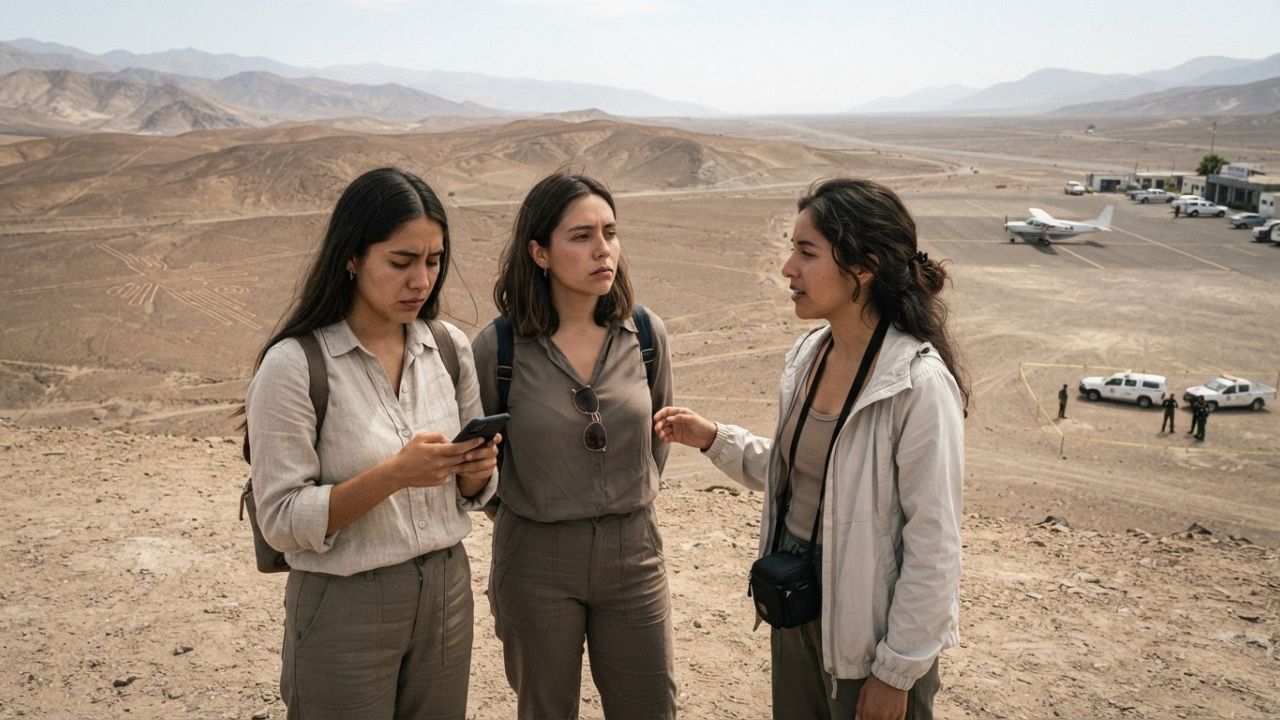
Image generated by AI
An Aerodiana tourist flight crashed near the Nazca Lines in Peru on August 1, 2026, claiming thirteen lives. This fatal incident has renewed international travel safety concerns regarding low-altitude sightseeing flight operations over the UNESCO World Heritage site, prompting investigations by Peruvian civil aviation authorities.
Sightseeing Aircraft Crashes in Ica Region
Our analysis of regional aviation logs indicates that a chartered sightseeing flight operated by local carrier Aerodiana crashed at approximately 12:55 PM local time. The aircraft had departed Pisco Airport for a scheduled low-altitude tour over the ancient Nazca geoglyphs. Flight tracking databases show the aircraft went down in the Pueblo Viejo sector of Nazca, located in Peru's Ica region.
Local emergency response teams recovered thirteen bodies from the crash site, confirming there were no survivors. The casualties include international tourists from Germany, Spain, and Italy who were visiting the historical archaeological site. Peru's National Police and civil aviation inspectors have initiated a comprehensive safety inquiry to determine the exact cause of the crash verified by Ministry of Transportation and Communications reports.
Historical Safety Context and Site Operations
This incident represents another setback for Nazca's tourist flight safety record, which has experienced previous fatal accidents:
- Aerodiana Flight AA-Sight: The chartered sightseeing flight operated low-altitude maneuvers over the desert.
- Pisco Airport (PIO): The regional departure airfield managed scheduled checks and pre-flight clearance.
- Previous Sightseeing Accidents: The Nazca region recorded similar fatal sightseeing crashes in both 2010 and 2022.
- Low-Altitude Airspace: Sightseeing routes require planes to operate at lower altitudes and close to desert terrain, increasing risks during engine failures.
Passenger Rights & Advisory (Information Gain & Experience)
For travelers planning scenic flights over archaeological landmarks, understanding regulatory oversight and safety standards is vital. Our analysis of aviation guidelines suggests travelers monitor their options:
- DGAC Peru Flight Operator Licensing: Under the General Directorate of Civil Aviation (DGAC) guidelines, travelers should only book tours with operators holding active AOC (Air Operator Certificate) clearances. Passengers have the right to request proof of maintenance audits at the check-in desk before boarding.
- Travel Insurance Adventure Exclusions: Standard international travel insurance policies frequently contain exclusion clauses that invalidate coverage for chartered flights or low-altitude tourist aviation. Travelers should secure specific extreme sports or small-aircraft flight riders prior to departure.
- Alternative Ground Viewing Options: For visitors concerned about small-aircraft safety, the Nazca Lines can be viewed from terrestrial observation towers. The Mirador observatory tower along the Pan-American Highway provides safe viewing access for multiple geoglyphs without boarding a flight.
Industry Analyst View
The fatal crash of the Aerodiana flight highlights the necessity of implementing stricter altitude holds and real-time engine telemetry monitoring for sightseeing carriers. Operating small propeller aircraft in hot, low-density desert air requires constant maintenance oversight to prevent power loss during steep turns.
Additionally, restoring traveler confidence requires Peruvian regulators to mandate dual-pilot requirements on all commercial tourist routes. To support visitor safety, airport administrators at Pisco and Nazca must coordinate runway inspection schedules and weather warning systems. This operational oversight remains key to protecting regional tourism links and ensuring passenger welfare as international travel continues.
Related Travel Guides
Disclaimer
This article is for informational and educational purposes only. It does not constitute legal, financial, or professional advice. While we strive to provide accurate and up-to-date information, travel policies, regulations, and conditions change rapidly. Always verify information with official sources before making travel decisions. Nomad Lawyer makes no representations about the accuracy, reliability, completeness, or suitability of the information provided. Readers should consult qualified professionals for advice specific to their circumstances. The views expressed in this article are those of the author and do not necessarily reflect the views of Nomad Lawyer.
Kunal K Choudhary
Co-Founder & Contributor
A passionate traveller and tech enthusiast. Kunal contributes to the vision and growth of Nomad Lawyer, bringing fresh perspectives and driving the community forward.
Learn more about our team →