
Peru Launches 200 km/h Lima-to-Ica High-Speed Coastal Rail to Connect Paracas and Nazca Lines
Peru is transforming southern travel with a new high-speed coastal rail project capable of 200 km/h, linking Lima to Ica and providing rapid access to the Nazca Lines.

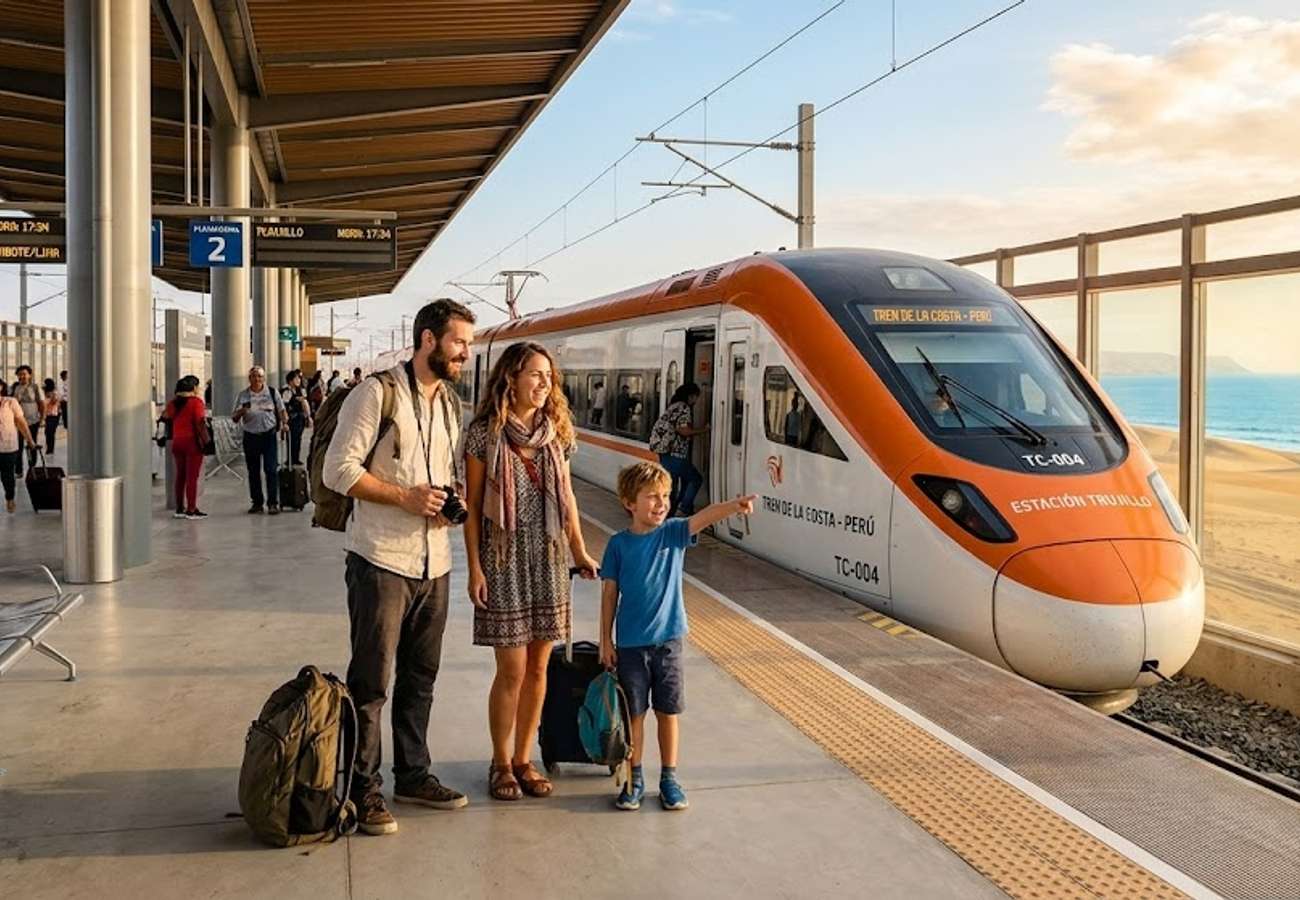
Image generated by AI
[LIMA, July 29] — Peru is set to overhaul its national transport architecture with the introduction of the Lima-to-Ica High-Speed Coastal Rail Megaproject, a system capable of speeds exceeding 200 kilometres per hour (125 mph). This massive infrastructure investment aims to bypass the chronic congestion of the Pan-American Highway, offering a rapid, sustainable link between the capital and the southern coast's most prized archaeological and natural landmarks.
For decades, the journey from Lima to the south has been defined by long hours on asphalt roads, often plagued by traffic delays and seasonal bottlenecks. The introduction of this high-speed corridor represents a strategic shift in how the Peruvian government manages tourism and regional logistics, moving away from road dependency and toward a modernized, rail-centric model.
Modernizing the Southern Coastal Corridor
The primary objective of the new rail network is to bridge the gap between Lima, the nation's central international hub, and Ica, a critical region for both agriculture and tourism. By implementing a system that operates at over 200 km/h (125 mph), the project effectively shrinks the geography of the southern coast, turning what were once grueling day-long road trips into efficient, short-duration transits.
Industry reports indicate that this shift will not only benefit international tourists but also stimulate domestic travel. The ability to move large volumes of passengers quickly and reliably allows for a more flexible itinerary, potentially increasing the average length of stay in southern provinces as the "friction" of travel is removed.
Engineering the Future with Digital Signalling
The technical backbone of the Lima-to-Ica project relies on advanced automated digital signalling technology. This system is not merely about speed; it is about precision and safety. Digital signalling allows for tighter headways between trains, meaning a higher frequency of departures and a significant reduction in the risk of human error or scheduling delays.
By utilizing these engineering standards, the railway ensures a smooth ride that minimizes the vibrations associated with older rail systems. For the business traveler moving between the capital and the regional hubs of Ica, this provides a dependable environment for productivity, while tourists benefit from a level of comfort that far exceeds traditional bus transport.
Rapid Access to Paracas and the Ballestas Islands
One of the most immediate impacts of the 200 km/h service will be felt at the Paracas National Reserve. Known for its stark desert-meets-ocean landscapes and towering coastal cliffs, Paracas has historically been a challenging destination for those wanting a quick getaway from Lima.
With the high-speed rail, the transit time to the reserve and the nearby Ballestas Islands—often called the “Galápagos of Peru”—will be slashed. This makes high-frequency day trips viable, allowing visitors to witness Humboldt penguins and sea lions without the need for overnight hotel stays, or conversely, making it easier for those on longer trips to include these sites without sacrificing days to road travel.
Bridging the Gap to the Nazca Lines
The most ambitious aspect of the corridor is its ability to unlock the Nazca region. The world-famous Nazca Lines, a UNESCO World Heritage Site consisting of massive desert geoglyphs, are located deep in the southern desert and have traditionally required extensive road journeys.
The high-speed rail corridor creates a seamless logistical chain. Travelers can now realistically combine a visit to the urban centers of Lima, the marine ecosystems of Paracas, the vineyards of Ica, and the mysteries of Nazca within a single, streamlined itinerary. This connectivity is expected to distribute tourism revenue more evenly across the southern region, preventing "over-tourism" in Lima while boosting the economy of the Nazca highlands.
A Pivot Toward Sustainable Mobility
As global travel trends shift toward "green" alternatives, Peru is positioning itself as a leader in sustainable South American transport. High-speed rail is significantly more carbon-efficient per passenger kilometer than private cars or tour buses.
By diverting a substantial percentage of traffic from the Pan-American Highway to the electrified rail line, the project aims to lower the overall carbon footprint of the tourism sector. For the environmentally conscious traveler, this removes a significant psychological barrier, allowing them to explore the Peruvian coast with minimal ecological impact.
Regional Economic Integration and Growth
The implications of the Lima-to-Ica rail extend beyond the travel industry. The project acts as an economic catalyst for the small towns and rural communities situated along the coastal path. Increased accessibility typically leads to a surge in local investment, specifically in the hospitality, catering, and artisanal sectors.
By diversifying the tourism offering beyond the Andean highlands (such as Cusco and Machu Picchu), Peru is creating a "dual-track" tourism economy. This strategy reduces the seasonal pressure on the mountains and ensures that the coastal regions can sustain year-round economic growth through improved infrastructure.
Project Specifications and Destination Data
The following data outlines the technical and logistical framework of the high-speed coastal expansion.
Technical Overview
| Feature | Specification |
|---|---|
| Project Name | Lima-to-Ica High-Speed Coastal Rail |
| Maximum Operational Speed | > 200 km/h (125 mph) |
| Control System | Advanced Automated Digital Signalling |
| Primary Route | Lima $\rightarrow$ Ica |
| Key Destinations | Paracas National Reserve, Ballestas Islands, Nazca Lines |
| Core Goal | Reduce Pan-American Highway congestion |
Regional Logistics
| Destination | Primary Access Point | Local Currency | Key Attractions |
|---|---|---|---|
| Lima | Jorge Chávez Intl (LIM) | PEN | Plaza Mayor, Larco Museum, Miraflores |
| Ica | High-Speed Rail Terminal | PEN | Huacachina Oasis, Tacama Vineyard |
| Paracas | High-Speed Rail Terminal | PEN | Ballestas Islands, La Catedral rock |
| Nazca | María Reiche Neuman (NZC) | PEN | Nazca Lines, Cantalloc Aqueducts |
Why This Matters: The Traveler's Perspective
From a logistical standpoint, this project transforms Peru from a "hub-and-spoke" destination—where most travelers fly into Lima and then take long buses to specific sites—into a truly connected network. For the modern traveler, this means the end of "transit fatigue."
The ability to move at 200 km/h means that the "dead time" spent in traffic on the Pan-American Highway is replaced by active exploration. Furthermore, the integration of digital signalling suggests a level of punctuality that will allow travelers to book tighter connections and more ambitious itineraries. In essence, Peru is not just building a train; it is expanding the usable time a tourist has within the country.
The arrival of high-speed rail signals a new era where Peru's coastal treasures are no longer distant mysteries, but accessible realities.
Related Travel Guides
Disclaimer
This article is for informational and educational purposes only. It does not constitute legal, financial, or professional advice. While we strive to provide accurate and up-to-date information, travel policies, regulations, and conditions change rapidly. Always verify information with official sources before making travel decisions. Nomad Lawyer makes no representations about the accuracy, reliability, completeness, or suitability of the information provided. Readers should consult qualified professionals for advice specific to their circumstances. The views expressed in this article are those of the author and do not necessarily reflect the views of Nomad Lawyer.
Raushan Kumar
Founder & Lead Developer
Full-stack developer with 11+ years of experience and a passionate traveller. Raushan built Nomad Lawyer from the ground up with a vision to create the best travel and law experience on the web.
Learn more about our team →