
PATA and ATTIA Sign MoU to Advance New Tourism Technology, Innovation and Digital Transformation in Asia Pacific
PATA and ATTIA Sign MoU to Advance New Tourism Technology, Innovation and Digital Transformation in Asia Pacific

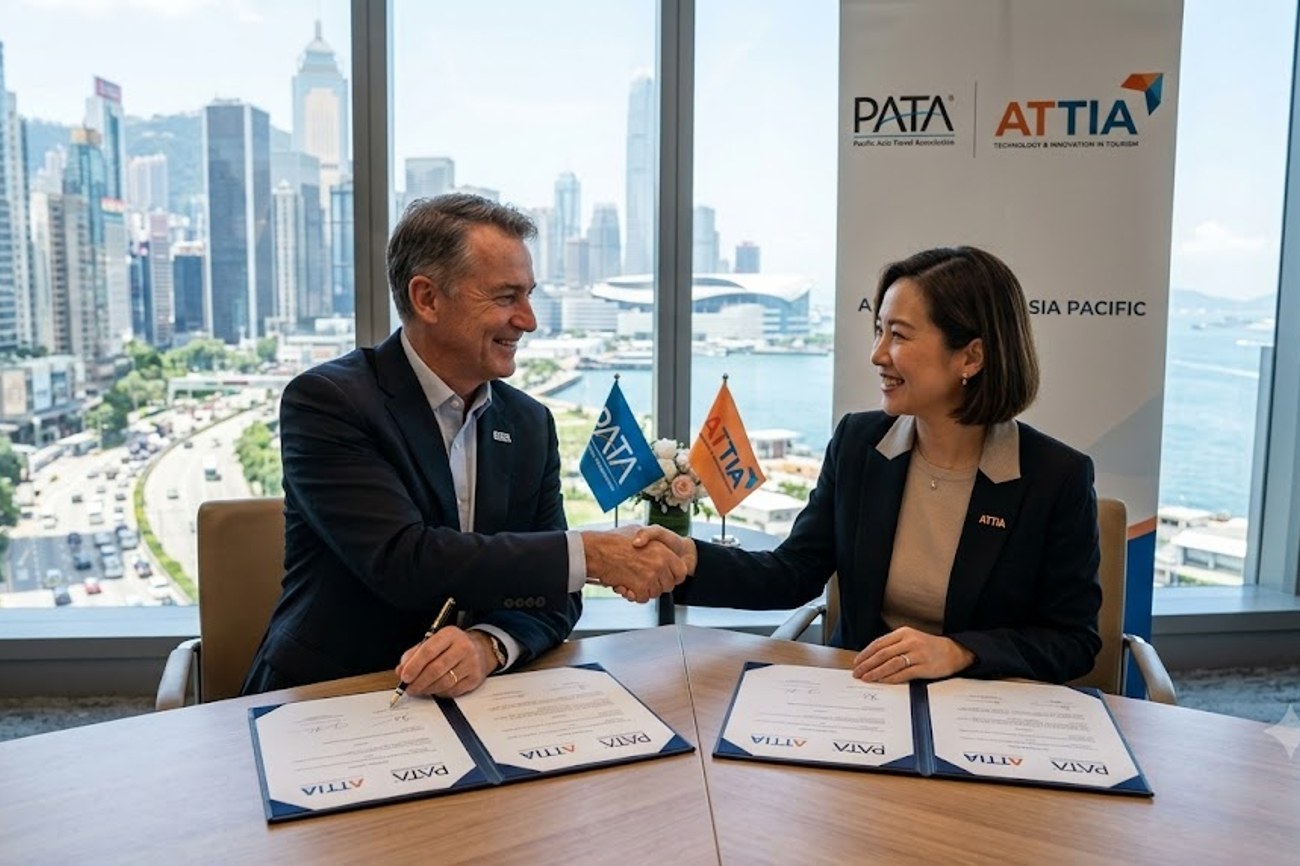
Image generated by AI
Zero formal barriers now exist between the strategic tourism networks of the Pacific Asia Travel Association (PATA) and the technical policy frameworks of the Asia Travel Technology Industry Association (ATTIA). This integration, formalized through a comprehensive Memorandum of Understanding (MoU), signals a systemic shift in how the Asia Pacific region intends to manage the intersection of digital infrastructure and visitor flow. By merging PATA’s regional destination reach with ATTIA’s specialization in travel tech and regulatory advocacy, the two organizations are attempting to synchronize the "hardware" of tourism—the destinations and hotels—with the "software" of the modern journey.
The Convergence of Destination Management and Digital Policy
For decades, tourism associations and travel technology firms operated in parallel silos. Destinations focused on marketing and infrastructure, while tech firms focused on distribution and booking engines. The PATA-ATTIA partnership represents a formal collapse of these silos. The MoU establishes a framework for collaboration across four primary pillars: innovation, industry development, knowledge sharing, and policymaking.
This move is not merely an administrative agreement; it is a response to the accelerating pace of digital disruption. From the integration of generative AI in itinerary planning to the deployment of big data for crowd management, the tools shaping the traveler's experience are now evolving faster than the policies governing them. By aligning, PATA and ATTIA aim to ensure that the Pacific Asia Travel Association can leverage technical expertise to build a "digitally mature" ecosystem, while ATTIA gains a direct pipeline to the governments and destination management organizations (DMOs) that dictate regional travel laws.
Operationalizing the Digital Pivot
The partnership targets a specific set of technological catalysts that are currently redefining the Asia Pacific travel market. The focus is not on a single tool, but on a suite of interconnected digital transformations designed to increase resilience against future disruptions.
| Focus Area | Strategic Objective | Expected Outcome for Stakeholders |
|---|---|---|
| Artificial Intelligence | Personalization of visitor experiences | Higher conversion rates for local operators |
| Data Analytics | Precision destination management | Reduced over-tourism and optimized resource use |
| Digital Platforms | Seamless interconnected services | Reduced friction in cross-border travel booking |
| Policy Advocacy | Modernizing regulatory frameworks | Faster adoption of emerging travel technologies |
To move these objectives from theory to practice, the MoU mandates a series of joint operational activities. These include the co-hosting of industry conferences, the launch of specialized webinars, and the creation of cross-participation programs. The goal is to create a feedback loop where technology leaders can inform policymakers of what is technically possible, and policymakers can inform tech firms of what is legally and sustainably viable.
Expert Analysis: The Geopolitical Logic of Digital Tourism
For the seasoned traveler and the digital nomad, this partnership is a precursor to a more frictionless, yet more monitored, travel experience in Asia Pacific. When a regional giant like PATA aligns with a tech-policy body like ATTIA, the direct consequence is a push toward standardized digital identities and integrated payment ecosystems across borders.
The pricing pressure created by this alignment will likely shift. As destinations become "digitally mature," we will see a move away from generic pricing toward dynamic, data-driven pricing models. When DMOs have access to the high-level data analytics championed by ATTIA, they can adjust tourism levies or promote "under-visited" zones in real-time to balance loads. This means the "hidden gem" of today may be algorithmically promoted to thousands of travelers tomorrow to optimize regional revenue.
Furthermore, the emphasis on "resilient tourism" is a coded reference to the volatility of the last few years. By integrating International Air Transport Association (IATA) standards with local digital policies, the region is attempting to build a system where health screenings, visa approvals, and transport bookings are handled via a single, interoperable digital layer. For the traveler, this means less time in queues; for the business, it means a more predictable pipeline of visitors.
The most critical insight here is the link between technology and sustainability. Digital innovation is being positioned not just as a tool for profit, but as the primary mechanism for resource management. By using AI to track visitor behavior, destinations can implement "smart" caps on visitor numbers, effectively using technology to prevent the environmental degradation that often follows rapid tourism growth.
Key Takeaways
- Policy Synchronization: The PATA-ATTIA MoU bridges the gap between destination marketing and travel technology policy, ensuring that regional laws evolve alongside digital tools.
- Tech-Driven Sustainability: Digital transformation is being leveraged to manage visitor flows and resource allocation to prevent over-tourism in fragile Asia Pacific ecosystems.
- Interoperability Focus: The partnership prioritizes the creation of connected services, which will likely lead to more seamless cross-border digital bookings and identity verification.
- Knowledge Exchange: Through joint webinars and conferences, the initiative aims to democratize access to high-end travel tech for smaller, traditional tourism operators.
- Data-Centric Management: A shift toward AI and big data analytics will allow destinations to move from reactive management to predictive visitor modeling.
FAQ: Asia Pacific Digital Tourism 2024
How will the PATA-ATTIA partnership affect my travel bookings? You will likely notice more seamless integrations between different booking platforms and destination services. The goal is to reduce friction, meaning your transport, accommodation, and local activities will eventually be linked through more interoperable digital systems.
Does this mean more surveillance for travelers in Asia Pacific? While the focus is on "data analytics" for destination management, increased digital maturity often involves more tracking of visitor movement to optimize flow. This is framed as a sustainability and efficiency measure to prevent overcrowding.
Will this partnership lower the cost of travel? Not necessarily. While it improves efficiency, the move toward data-driven "personalized experiences" often enables dynamic pricing, where costs may fluctuate based on real-time demand and user data.
What is the main goal of "resilient tourism" mentioned in the agreement? Resilient tourism refers to building an industry that can survive shocks—such as pandemics or climate events—by using digital tools to pivot quickly, manage crowds, and maintain communication with global travelers.
The intersection of policy and pixels is where the future of the Asia Pacific journey will be decided.
Tags: PATA, ATTIA, Asia Pacific Tourism, Travel Technology Policy, Digital Tourism Transformation, Sustainable Tourism 2024
Related Travel Guides
Disclaimer
This article is for informational and educational purposes only. It does not constitute legal, financial, or professional advice. While we strive to provide accurate and up-to-date information, travel policies, regulations, and conditions change rapidly. Always verify information with official sources before making travel decisions. Nomad Lawyer makes no representations about the accuracy, reliability, completeness, or suitability of the information provided. Readers should consult qualified professionals for advice specific to their circumstances. The views expressed in this article are those of the author and do not necessarily reflect the views of Nomad Lawyer.
Preeti Gunjan
Contributor & Community Manager
A passionate traveller and community builder. Preeti helps grow the Nomad Lawyer community, fostering engagement and bringing the reader experience to life.
Learn more about our team →