
Passengers Trapped Virus: 150 Confined Aboard MV Hondius Off Cape Verde
Nearly 150 passengers and crew remain confined aboard expedition ship MV Hondius off Cape Verde as rare Andes hantavirus outbreak claims three lives in 2026. International contact tracing underway.

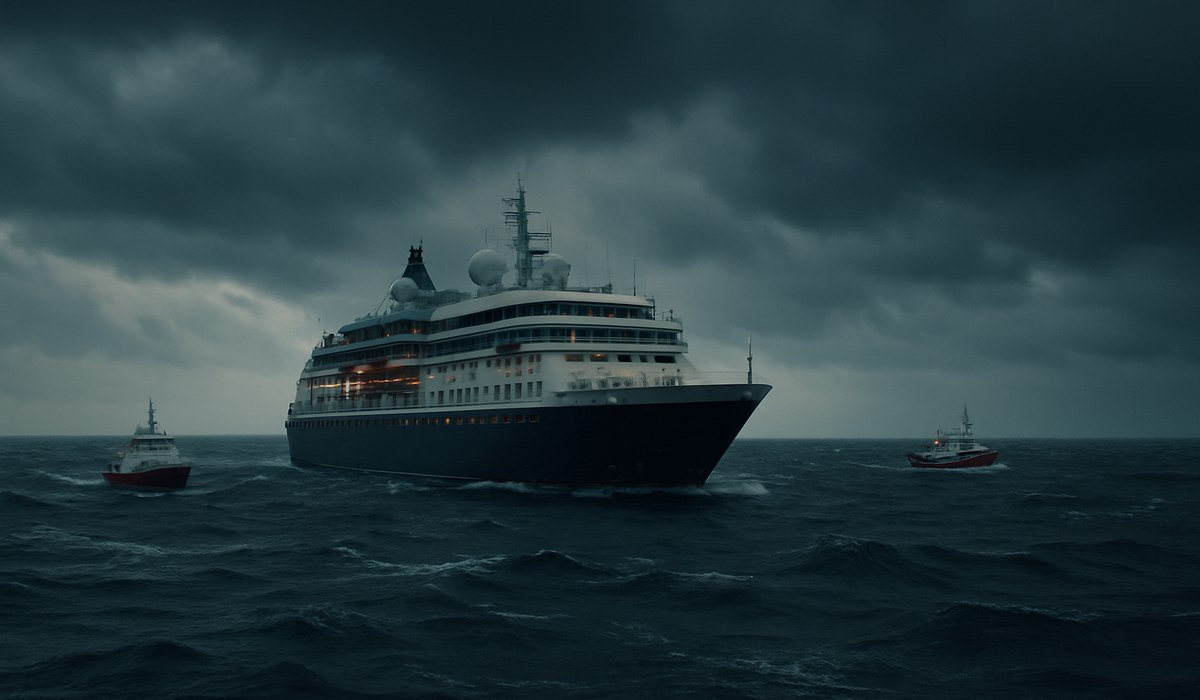
Image generated by AI
Expedition Cruise MV Hondius Becomes Floating Quarantine Zone
Nearly 150 passengers and crew aboard the Dutch-flagged expedition ship MV Hondius remain confined at sea off Cape Verde following a confirmed outbreak of the rare Andes hantavirus that has claimed three lives and infected multiple travelers. The catastrophic health crisis transformed what began as a nature-focused South Atlantic voyage into an extended maritime quarantine, with the vessel barred from multiple ports and passengers restricted to cabins since early April. International health authorities, including the World Health Organization, have activated contact tracing protocols across multiple continents as confirmed cases emerge among passengers who disembarked at earlier stops.
Hantavirus Outbreak Turns Expedition Cruise Into Floating Quarantine
The MV Hondius departed from Ushuaia in southern Argentina in April 2026, charting a course toward Cape Verde and the Canary Islands as part of a premium expedition itinerary. Approximately two weeks into the voyage, clusters of severe respiratory illness began manifesting among passengers and crew, prompting immediate isolation protocols and medical assessments. By mid-April, three passengers had succumbed to complications, including an elderly couple and another traveler whose clinical presentation suggested acute hantavirus infection.
The Andes hantavirus strain identified aboard the vessel represents an unusually virulent manifestation of this South American pathogen. Unlike typical hantavirus patterns, this particular variant demonstrated limited person-to-person transmission capacity—a concerning epidemiological feature that complicated shipboard containment efforts. Laboratory confirmation of at least two cases, combined with numerous suspected infections, elevated the public health emergency classification among regional maritime and health authorities.
Oceanwide Expeditions, the ship's operator, implemented stringent infection control measures including cabin confinement for symptomatic individuals, enhanced sanitation protocols, and protective equipment distribution to crew members. Company statements suggested that initial infections may have originated during pre-voyage South American excursions, given the virus's characteristic extended incubation period of two to four weeks.
Three Deaths Confirmed as Virus Spreads Among Passengers
The fatality count reached three by early May, representing a mortality rate substantially higher than typical influenza or respiratory infections common on cruise vessels. Initial deaths occurred aboard ship, while additional medical emergencies triggered emergency evacuations via helicopter transport to specialized infectious disease hospitals in Western Europe. At least one confirmed crew member required emergency airlift evacuation, alongside critically ill passengers requiring intensive respiratory support.
Symptomatic cases subsequently identified in passengers' home countries—including Spain, Japan, Britain, and multiple European nations—indicated that the virus had spread beyond the ship's confines before comprehensive quarantine measures took full effect. Health agencies in South Africa and across the European Union initiated retrospective contact tracing, identifying dozens of secondary contacts among airport personnel, airline staff, and family members who had potential exposure during medical evacuations and passenger debarkations.
The WHO characterized the situation as a concerning epidemiological event requiring sustained international cooperation, technical surveillance, and coordinated port authority responses across maritime zones. Regional governments remained particularly cautious about port acceptance, reflecting legitimate uncertainty regarding hantavirus transmission dynamics in confined shipboard environments.
International Contact Tracing Underway as Ship Barred From Ports
Cape Verde's port authorities made the unprecedented decision to refuse the MV Hondius entry to harbor facilities, citing inadequate local healthcare infrastructure and public health precaution. The vessel anchored approximately five nautical miles off Praia, the capital city, while international health bodies convened emergency coordination meetings to assess evacuation logistics and disease containment strategies.
Passengers trapped virus situations of this magnitude require coordination among maritime authorities, national health ministries, and international organizations. Spain's Canary Islands initially hesitated regarding port acceptance, with regional officials citing epidemiological uncertainties and healthcare system capacity concerns. Subsequent negotiations resulted in conditional authorization for the MV Hondius to proceed northward toward Tenerife under strict operational protocols and phased passenger disembarkation arrangements.
Contact tracing expanded across multiple continents as confirmed cases emerged in secondary locations. Passengers who disembarked at previous ports—before symptom emergence—underwent targeted health monitoring in their home countries. Airlines serving patients during medical evacuations identified cabin crew and fellow passengers requiring epidemiological surveillance and potential testing.
Maritime tracking data indicated the ship sailed northward between Cape Verde and the Canary Islands by May 7, having spent several days effectively immobilized off West Africa while authorities negotiated disembarkation terms. Passengers experienced extended cabin confinement, meal service delivered to stateroom doors, and complete suspension of recreational activities, transforming the cruise experience into essentially hospital-level isolation.
Cruise Itinerary at a Glance
| Itinerary Segment | Departure Port | Destination | Duration | Status |
|---|---|---|---|---|
| Primary Voyage Origin | Ushuaia, Argentina | Cape Verde/Canary Islands | 21 days | Disrupted |
| Initial Sailing Route | South Atlantic Remote Islands | South Atlantic Expedition | April 2026 | Affected |
| Planned Cape Verde Stop | Praia, Cape Verde | Island Exploration | 2 days | Refused Entry |
| Canary Islands Diversion | Las Palmas, Gran Canaria | Tenerife Port | Pending | Conditional |
| Quarantine Location | Off Praia Harbor | Offshore Anchorage | 5+ days | Active |
| Disembarkation Port | Tenerife, Spain | Canary Islands Facility | Phased | Negotiated |
What Travelers Need to Know About Rare Andes Hantavirus
The Andes hantavirus belongs to the orthohantavirus genus, a family of viruses transmitted primarily through aerosolized rodent excreta contamination. Natural reservoirs include wild mouse populations throughout Andean regions and South American lowlands. Human infection typically occurs through inhalation of contaminated dust particles, with incubation periods ranging from one to four weeks before symptom onset.
Clinical manifestations include sudden fever, myalgia, severe headache, and progressive respiratory distress, with hantavirus pulmonary syndrome demonstrating mortality rates between 25-40% in diagnosed cases. The appearance of limited person-to-person transmission in this outbreak variant—previously considered extremely rare—complicated standard infection control assumptions and elevated epidemiological alert levels globally.
Travelers planning future expedition cruises to South American regions should consult current CDC travel health advisories and consider pre-voyage health briefings. Cruise lines implementing enhanced pre-boarding health screening, passenger health histories, and real-time disease surveillance systems provide measurably improved outbreak prevention compared to historical standards. Expedition cruise operators typically maintain partnerships with international medical evacuation services, ensuring rapid access to specialized infectious disease treatment facilities.
What This Means for Travelers
-
Verify Current Health Requirements: Before booking any expedition cruise to South America, check your cruise line's specific health screening protocols and vaccination requirements against regional pathogens endemic to your intended destination.
-
Review Evacuation Capabilities: Confirm your chosen cruise operator maintains 24/7 medical evacuation partnerships with accredited hospitals in transit regions, ensuring rapid helicopter access for critical medical emergencies.
-
Monitor Regional Disease Alerts: Subscribe to CDC Travel Health Notices and WHO Disease Outbreak News for current epidemiological information covering your intended ports of call and sailing regions.
-
Understand Quarantine Policies: Research specific cruise line quarantine procedures, passenger rights during involuntary cabin confinement, and financial protections regarding itinerary modifications or voyage cancellations due to health emergencies.
-
Purchase Comprehensive Travel Insurance: Select travel insurance plans explicitly covering epidemic-related voyage disruptions, emergency medical evacuation, and additional accommodation expenses if disembarkation becomes delayed.
Frequently Asked Questions
**What is
Disclaimer
This article is for informational and educational purposes only. It does not constitute legal, financial, or professional advice. While we strive to provide accurate and up-to-date information, travel policies, regulations, and conditions change rapidly. Always verify information with official sources before making travel decisions. Nomad Lawyer makes no representations about the accuracy, reliability, completeness, or suitability of the information provided. Readers should consult qualified professionals for advice specific to their circumstances. The views expressed in this article are those of the author and do not necessarily reflect the views of Nomad Lawyer.
Raushan Kumar
Founder & Lead Developer
Full-stack developer with 11+ years of experience and a passionate traveller. Raushan built Nomad Lawyer from the ground up with a vision to create the best travel and law experience on the web.
Learn more about our team →