
Hantavirus outbreak leaves 150 confined on Dutch expedition cruise off Cape Verde
Nearly 150 passengers and crew aboard the MV Hondius face mid-ocean quarantine off Cape Verde as a suspected hantavirus outbreak kills three and sickens multiple travelers in 2026.

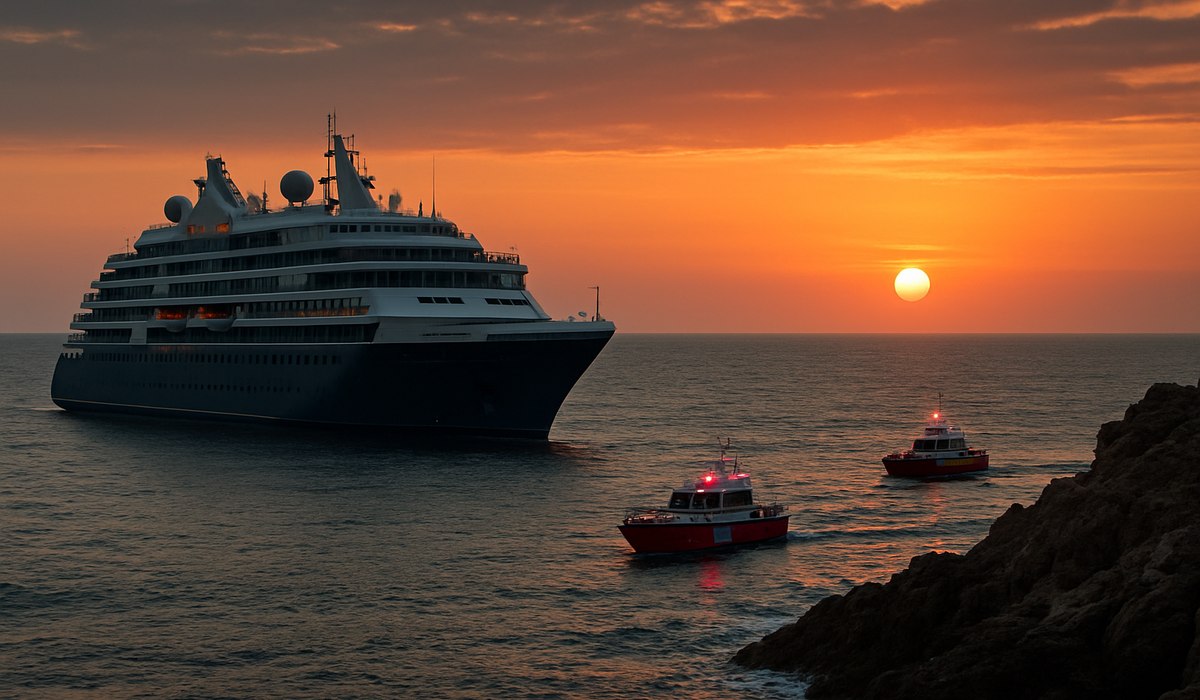
Image generated by AI
Breaking News: Hantavirus Outbreak Confines Expedition Cruise Off Cape Verde
The MV Hondius, a Dutch-flagged expedition vessel, currently sits anchored off the Cape Verde coast with nearly 150 passengers and crew confined to cabins following a suspected hantavirus outbreak. Three deaths and multiple serious illnesses have emerged from what began as an Antarctic adventure cruise, transforming the voyage into one of 2026's most alarming maritime health emergencies. The hantavirus outbreak leaves passengers isolated mid-ocean while international health agencies coordinate evacuation and assessment protocols.
From Antarctic Voyage to Medical Emergency
The MV Hondius departed Ushuaia, Argentina in March 2026 on an ambitious weeks-long itinerary designed to showcase remote Antarctic wildlife and South Atlantic island landings. The expedition-style cruise promised close encounters with penguin colonies and pristine glacial landscapes, with planned destinations including little-visited territories before reaching the Cape Verde archipelago.
The voyage took a dramatic turn when the first confirmed death occurred on April 11. A 70-year-old Dutch passenger developed severe respiratory symptoms while the ship remained in the South Atlantic. His body was later disembarked at Saint Helena, where initial testing indicated hantavirus infection. This discovery triggered immediate health investigations and raised alarms across multiple countries.
Subsequent cases involved the deceased passenger's spouse and at least one German traveler who developed similar symptoms after leaving the vessel. National health authorities in South Africa and the Netherlands confirmed these cases represented a cluster directly connected to the cruise itinerary. By early May, investigators documented three confirmed deaths and several additional serious cases, prompting the hantavirus outbreak leaves protocols into emergency status.
The ship was ordered to anchor off Praia, Cape Verde's capital, while health agencies assessed infection patterns and developed evacuation strategies.
The Outbreak Unfolds at Sea
Passenger accounts and international coverage reveal a vessel operating under emergency protocols. Wildlife briefings and photography workshops have ceased, with most decks remaining empty. Common areas including lounges and dining facilities remain closed to minimize contact transmission risks.
Crew members implemented strict cabin isolation procedures once outbreak recognition occurred. Meal delivery to cabin doors, widespread distribution of masks and disinfectants, and enhanced protective equipment for all staff interactions characterize current shipboard operations. Daily temperature checks, health questionnaires, and symptom-reporting requirements structure each passenger's day.
The dramatic shift from Antarctic exploration to prolonged cabin confinement has created significant passenger anxiety. Internet connectivity has become essential for those tracking their own situation through news sources while awaiting official shipboard announcements. Families maintaining contact through intermittent messages and social media updates monitor developments from distant locations.
For more details on cruise industry safety standards, visit Cruise Critic's latest coverage regarding maritime health protocols.
International Response and Quarantine Protocol
Health authorities from multiple nations coordinated rapid response procedures once the hantavirus outbreak leaves evidence became clear. The World Health Organization identified the strain as Andes virus, one of the few hantaviruses documented to spread between humans during close, prolonged contact periods.
Initial investigations hypothesized that an infected passenger may have boarded in South America already carrying the virus. Despite thorough inspections, no evidence of rodent infestation has been publicized regarding the vessel. In cruise environments where passengers share dining spaces, excursion groups, and extended transit periods, even rare transmission routes carry heightened consequence.
Medical experts emphasize that hantavirus infections can progress rapidly from flu-like symptoms to severe respiratory complications. The confined conditions aboard expedition ships create elevated transmission risks compared to traditional shoreside exposure scenarios. Contact tracing procedures continue to identify potentially exposed individuals among the 150 confined aboard.
For authoritative health information, consult the World Health Organization's viral outbreak guidance.
Health Agency Confirmations and Next Steps
Official confirmations from South African and Dutch health ministries validated the hantavirus outbreak leaves diagnosis across multiple confirmed cases. These agencies coordinated with international maritime health organizations to establish quarantine protocols and evacuation procedures.
Testing protocols have identified affected individuals requiring immediate evacuation versus those cleared for standard quarantine procedures. Medical facilities at Cape Verde are coordinating transport arrangements for patients requiring advanced respiratory care unavailable on the ship.
The MV Hondius operator continues coordinating with national authorities regarding passenger repatriation timelines and health assessments. Insurance companies and travel providers are processing emergency claims related to itinerary cancellations and medical expenses.
Ongoing surveillance will continue monitoring all passengers and crew for symptom development during standard hantavirus incubation periods, typically 2-4 weeks post-exposure.
Cruise Itinerary at a Glance
| Aspect | Details |
|---|---|
| Vessel | MV Hondius (Dutch-flagged expedition ship) |
| Departure Port | Ushuaia, Argentina |
| Original Destination | Cape Verde archipelago, then Canary Islands, Spain |
| Departure Date | March 2026 |
| Outbreak Detection Date | April 11, 2026 |
| First Death Location | South Atlantic/Saint Helena |
| Current Anchorage | Off Praia, Cape Verde |
| Passengers/Crew Confined | Approximately 150 individuals |
| Confirmed Deaths | 3 confirmed fatalities |
| Identified Illness | Andes virus (hantavirus strain) |
| Key Itinerary Feature | Antarctic wildlife expeditions, South Atlantic island landings |
What This Means for Travelers
The hantavirus outbreak leaves significant implications for expedition cruise passengers planning Antarctic and remote polar voyages:
-
Verify Operator Protocols: Contact your cruise operator directly to confirm enhanced health screening procedures and medical facilities available on expedition vessels. Request documentation of infectious disease response procedures prior to departure.
-
Review Pre-Boarding Requirements: Ensure you understand all health declarations required before embarkation. Disclosure of recent rodent exposure or respiratory symptoms becomes critically important.
-
Assess Medical Capabilities: Expedition cruise vessels typically carry limited medical facilities. Confirm evacuation procedures and nearby hospital accessibility for your chosen itinerary.
-
Understand Quarantine Implications: Accept that mid-ocean isolation represents a realistic risk during pandemic or outbreak scenarios. Review your travel insurance coverage for emergency medical evacuation and quarantine support.
-
Monitor Health Updates: Subscribe to destination country and operator notifications regarding emerging infectious diseases along your intended cruise route.
-
Plan Extended Timelines: Account for potential itinerary modifications or quarantine extensions that could delay your return journey by several weeks.
FAQ: Common Questions About This Outbreak
What is hantavirus and how does it spread? Hantavirus typically spreads through contact with infected rodent urine, droppings, or saliva, often via airborne particles. The Andes virus strain can occasionally spread between humans during close, prolonged contact in confined environments like cruise ships, making shipboard transmission particularly concerning for outbreak scenarios.
How quickly does hantavirus develop symptoms? Symptoms typically appear 2-4 weeks after exposure, progressing from initial flu-like illness to severe respiratory complications. Early symptoms include fever, muscle aches, fatigue, and headache, later advancing to respiratory distress and potentially organ failure requiring intensive care intervention.
Can passengers still travel on expedition cruises safely? Yes, with enhanced precautions. Operators have implemented upgraded health screening, improved ventilation systems, and expanded medical protocols. However, travelers should thoroughly review each operator's outbreak response procedures and accept that rare health emergencies remain possible during extended voyages to remote destinations.
What compensation are affected passengers receiving? Individual cruise lines and travel insurance providers determine compensation based on specific policy terms and coverage levels. Most
Disclaimer
This article is for informational and educational purposes only. It does not constitute legal, financial, or professional advice. While we strive to provide accurate and up-to-date information, travel policies, regulations, and conditions change rapidly. Always verify information with official sources before making travel decisions. Nomad Lawyer makes no representations about the accuracy, reliability, completeness, or suitability of the information provided. Readers should consult qualified professionals for advice specific to their circumstances. The views expressed in this article are those of the author and do not necessarily reflect the views of Nomad Lawyer.
Raushan Kumar
Founder & Lead Developer
Full-stack developer with 11+ years of experience and a passionate traveller. Raushan built Nomad Lawyer from the ground up with a vision to create the best travel and law experience on the web.
Learn more about our team →