
Paramaribo 2026 Tourism Surge: UNESCO Heritage Sites and Global Gastronomy Drive Suriname Travel
Suriname's capital is seeing a tourism spike as the UNESCO-listed wooden architecture of Paramaribo merges with a high-impact gastronomy movement featuring Creole, Javanese, and Hindustani flavors.

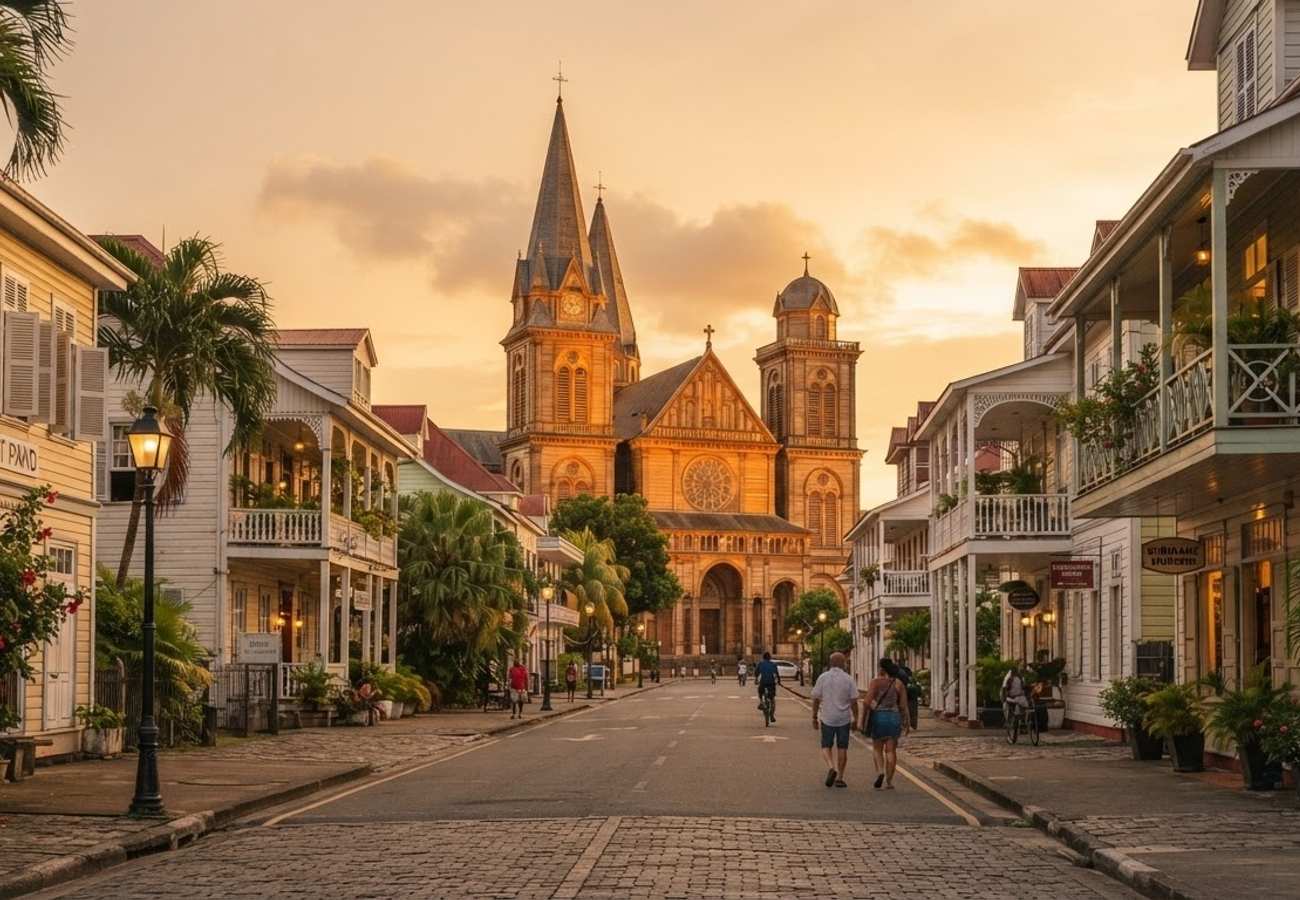
Image generated by AI
The historic inner city of Paramaribo is evolving into a global magnet for heritage seekers, driven by a simultaneous push in wooden architectural restoration and a sophisticated gastronomy movement.
The capital of Suriname is no longer just a stopover; it has become the destination. The convergence of its UNESCO World Heritage status and a diversifying food scene is attracting a new wave of cultural nomads who prioritize authentic, slow-travel experiences over traditional resort tourism.
The Shift Toward Heritage-Centric Travel
Paramaribo’s appeal lies in its ability to act as a living museum. The Historic Inner City, inscribed on the UNESCO World Heritage List in 2002, is defined by a unique urban layout that blends Dutch colonial planning with Caribbean adaptations.
For the visitor, the real impact is the tangible sense of cultural layering. Walking through the center reveals a compact circuit where wooden houses, public institutions, and fortifications are not merely relics but active parts of the city's identity. The current trend is a move away from passive sightseeing toward "heritage immersion," where travelers engage with the preservation efforts of these fragile timber structures.
Architectural Anchors of the Capital
The city's skyline is dominated by two primary landmarks that encapsulate its colonial and religious history:
- Saint Peter and Paul Cathedral: This monumental Roman Catholic structure is one of the largest wooden buildings in the Western Hemisphere. Its scale serves as a testament to the craftsmanship of the era and the deep-rooted religious diversity of the region.
- Fort Zeelandia: Situated along the Suriname River, this fortification provides the necessary context for Paramaribo's development as a colonial trading hub. It serves as a critical point for understanding the political transitions the country has undergone.
Gastronomy as a Cultural Map
While the architecture provides the visual framework, the food culture provides the soul. Suriname’s culinary identity is one of the most diverse in South America, reflecting a population composed of Creole, Javanese, Hindustani, Indigenous, and Chinese communities.
The Suriname Tourism & Food Festival has transformed these domestic traditions into a structured tourism product. Instead of searching for disparate eateries, visitors can now experience a concentrated explosion of flavors that tell the story of migration and trade.
The Flavor Profiles of Paramaribo
The culinary experience in Paramaribo is essentially a map of global movement:
| Influence | Culinary Contribution | Cultural Context |
|---|---|---|
| Javanese | Indonesian-inspired flavors and techniques | Descendants of colonial-era migrants from Java |
| Hindustani | South Asian spices and traditional Indian cooking | Reflects the deep integration of Indian heritage |
| Creole | Caribbean-style preparations and local seafood | The foundational blend of African and European influences |
| Indigenous | Traditional forest ingredients and ancient techniques | The original stewards of the land's natural resources |
| Chinese | East Asian commercial exchange and stir-fry traditions | A result of long-term migration and trade |
Cultural & Environmental Value
The synergy between heritage preservation and food tourism supports the local economy by diversifying income streams for artisans and small-scale food producers. By promoting the Suriname Tourism & Food Festival, the region is shifting toward a sustainable model where cultural heritage is a renewable resource.
For the visitor, the experience is holistic. A typical day involves transitioning from the riverside ramparts of Fort Zeelandia to the hushed wooden interiors of the Cathedral, ending with a meal that might combine Javanese spices with Indigenous ingredients. This creates a high-density cultural experience that appeals to short-break travelers who want maximum depth in a minimal geographic area.
Visitor Insider Tips
To truly experience Paramaribo beyond the brochures, consider these local insights:
- The Golden Hour Walk: Visit the wooden district between 4:00 PM and 6:00 PM. The tropical light hitting the painted timber facades provides the best photography opportunities and avoids the midday heat.
- Market Etiquette: When visiting local food markets, engage with vendors about the origin of their spices. Many are proud to explain the specific regional influence (e.g., the difference between a Hindustani and Javanese curry).
- Off-Peak Window: While the Food Festival is a highlight, visiting in the shoulder seasons allows for more intimate conversations with local historians and architects working on the UNESCO restorations.
- Sustainable Choice: Support local "wooden-house" guesthouses rather than international chains to ensure tourism revenue directly funds the upkeep of these historic structures.
Tourism Outlook
The long-term trajectory for Suriname suggests a move toward "Niche Heritage Tourism." By leveraging its UNESCO status and the unique intersection of Asian and Caribbean cultures, Paramaribo is positioning itself as a primary cultural hub in South America. The continued investment in wooden architecture preservation, supported by regional conservation bodies, ensures that the city remains an authentic destination rather than a sanitized tourist zone.
Paramaribo is proving that the most enduring travel trends are those rooted in genuine cultural complexity.
Related Travel Guides
Disclaimer
This article is for informational and educational purposes only. It does not constitute legal, financial, or professional advice. While we strive to provide accurate and up-to-date information, travel policies, regulations, and conditions change rapidly. Always verify information with official sources before making travel decisions. Nomad Lawyer makes no representations about the accuracy, reliability, completeness, or suitability of the information provided. Readers should consult qualified professionals for advice specific to their circumstances. The views expressed in this article are those of the author and do not necessarily reflect the views of Nomad Lawyer.
Naina Thakur
Contributor & Travel Specialist
Travel enthusiast and legal writer covering visa regulations, responsible tourism, and cultural journeys across global destinations.
Learn more about our team →