
Panama City Beach Expands Artificial Reef Network with Two Retired Vessels in 2026
Panama City Beach is boosting Gulf Coast biodiversity and dive tourism by transforming a 100-foot towboat and steel trawler into permanent artificial reefs.

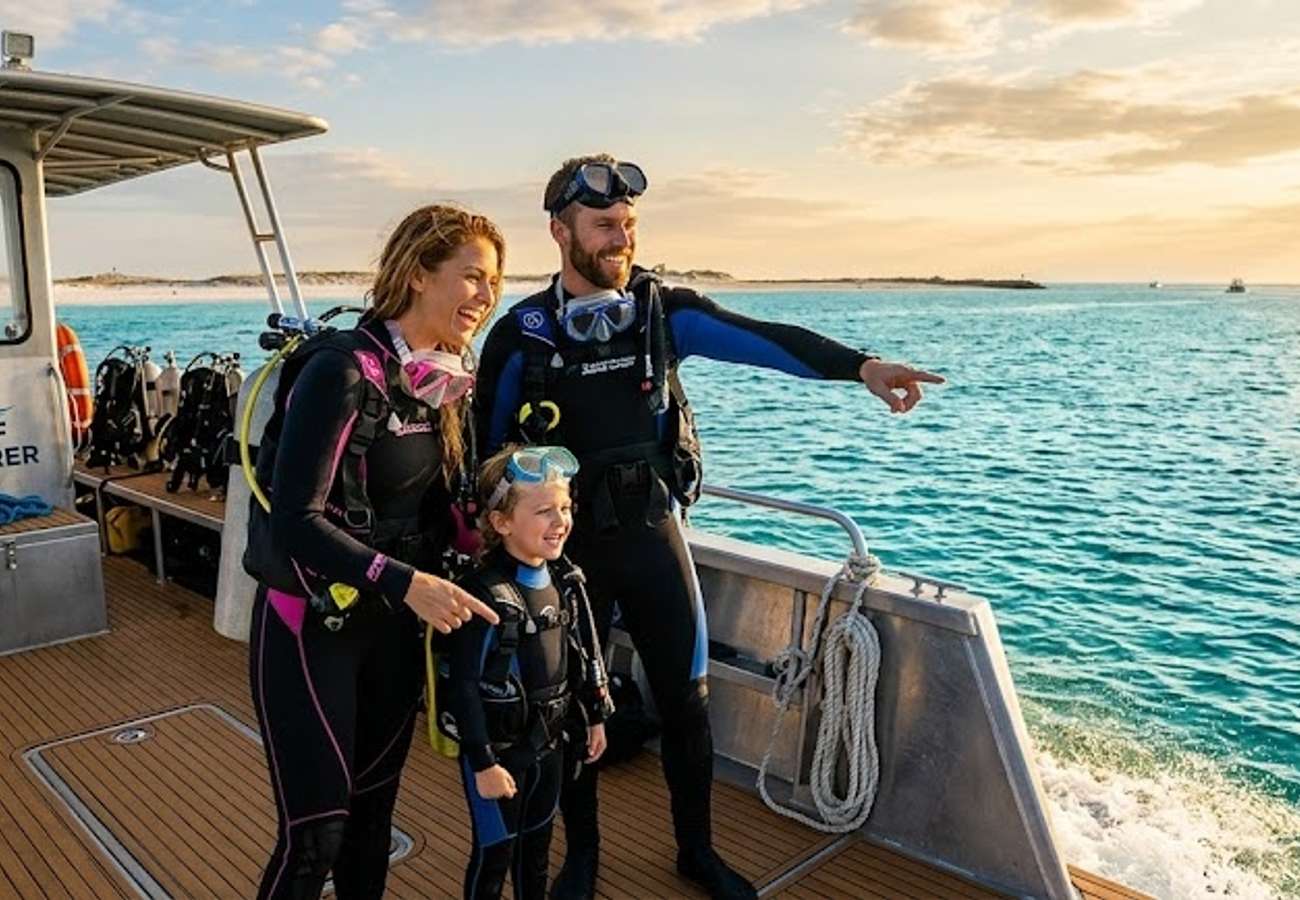
Image generated by AI
Panama City Beach is scaling its underwater infrastructure by sinking two retired vessels to expand one of the region's most extensive artificial reef networks. This move transforms decommissioned steel into biological hubs, directly increasing the capacity for sustainable diving and recreational fishing along Florida’s Gulf Coast.
The Local Trend Revealed: Industrial Waste to Ecological Assets
Panama City Beach is shifting its tourism strategy toward "restorative adventure." While traditional coastal tourism focuses on the shoreline, the city is now investing heavily in the seabed. By integrating decommissioned industrial vessels into the ocean floor, the destination is creating high-density habitats that attract a wide array of marine species, which in turn draws a higher-yield demographic of scuba divers and serious anglers.
The city already maintains a massive network of over 600 reef structures. The 2026 expansion adds two significant anchors to this system: a 100-foot towboat featuring multiple decks and a 100-foot steel trawler. These are not merely dumped; they are strategically prepared and placed to maximize water flow and shelter for aquatic life.
The deployment is precise. The towboat is positioned approximately 12 nautical miles from St. Andrews Pass, while the steel trawler is located roughly nine nautical miles offshore at a depth of around 85 feet. This depth is a "sweet spot" for recreational divers, providing enough challenge for certified divers while remaining accessible enough to drive consistent tourism traffic to local dive shops and charter captains.
Cultural & Environmental Value: Beyond the Dive
For the visitor, the real impact is the transition from passive observation to active participation in ocean recovery. These artificial reefs serve as a critical buffer, diverting human activity away from fragile natural reef systems. By providing "alternative" destinations for anchors and dive gear, the city reduces the physical degradation of indigenous seabed environments.
This initiative aligns with a broader global shift toward nature-based economic drivers. Much like the coral restoration projects in Bali or the wildlife-funded models in Rwanda and Brazil's Pantanal, Panama City Beach is leveraging the "adventure" aspect of travel to fund the "conservation" aspect of ecology. The result is a symbiotic relationship where the presence of tourists provides the economic justification for continuous marine monitoring and habitat expansion.
The coastal management teams oversee these sites not just as tourist attractions, but as biological laboratories. As algae and coral formations attach to the steel hulls of the towboat and trawler, the structures evolve from man-made objects into living ecosystems, supporting the reproduction and feeding cycles of Gulf species.
Visitor Insider Tips
To make the most of the Panama City Beach underwater experience, travelers should consider the following local nuances:
- Optimal Visit Windows: Aim for the shoulder seasons (spring and autumn) to avoid the peak summer crowds and experience better visibility in the Gulf waters.
- Diving Etiquette: When visiting the new 85-foot trawler site, remember that these are active nurseries. Avoid touching the emerging coral growth or feeding fish, as this disrupts the natural colonization process.
- Local Specialties: After a dive, head to the local seafood shacks near St. Andrews Pass. Supporting these family-owned businesses ensures that the economic benefits of the reef project stay within the immediate community.
- Hidden Detail: Keep an eye out for the smaller, recycled construction material reefs that precede the larger vessel wrecks; they often host different, smaller species of marine life that are easily overlooked.
Tourism Outlook
The long-term trajectory for Panama City Beach is a move toward a "Blue Economy." By diversifying its offerings beyond white sand beaches, the city is insulating itself against seasonal fluctuations and creating a year-round draw for the global diving community. The success of these artificial reefs will likely lead to further investments in underwater archaeology and marine education centers, cementing Florida's position as a leader in sustainable coastal management.
Turning retired steel into living reefs ensures the Gulf remains a sanctuary for both wildlife and wanderers.
Related Travel Guides
Disclaimer
This article is for informational and educational purposes only. It does not constitute legal, financial, or professional advice. While we strive to provide accurate and up-to-date information, travel policies, regulations, and conditions change rapidly. Always verify information with official sources before making travel decisions. Nomad Lawyer makes no representations about the accuracy, reliability, completeness, or suitability of the information provided. Readers should consult qualified professionals for advice specific to their circumstances. The views expressed in this article are those of the author and do not necessarily reflect the views of Nomad Lawyer.
Raushan Kumar
Founder & Lead Developer
Full-stack developer with 11+ years of experience and a passionate traveller. Raushan built Nomad Lawyer from the ground up with a vision to create the best travel and law experience on the web.
Learn more about our team →